The Directorate-General of Budget, Accounting and Statistics (DGBAS) released the latest price statistics today (6th). The consumer price index (CPI) for July increased by 2.54% year-on-year. Although this is slightly lower than June's 2.59%, it marks the third consecutive month above the 2% inflation warning line, indicating that domestic price pressures have not yet significantly eased.
DGBAS officials pointed out that the main drivers of the July CPI increase were higher costs for fuel, international airfares, dining out, and vegetable prices, combined with persistently rising rents and housing costs, keeping overall inflation at a relatively high level.
Notably, food prices—those most felt by consumers—continued to rise. In July, food prices increased by 2.49% year-on-year, the largest rise in nearly 10 months, driven by higher prices for dining out, vegetables, eggs, seafood, and meat.
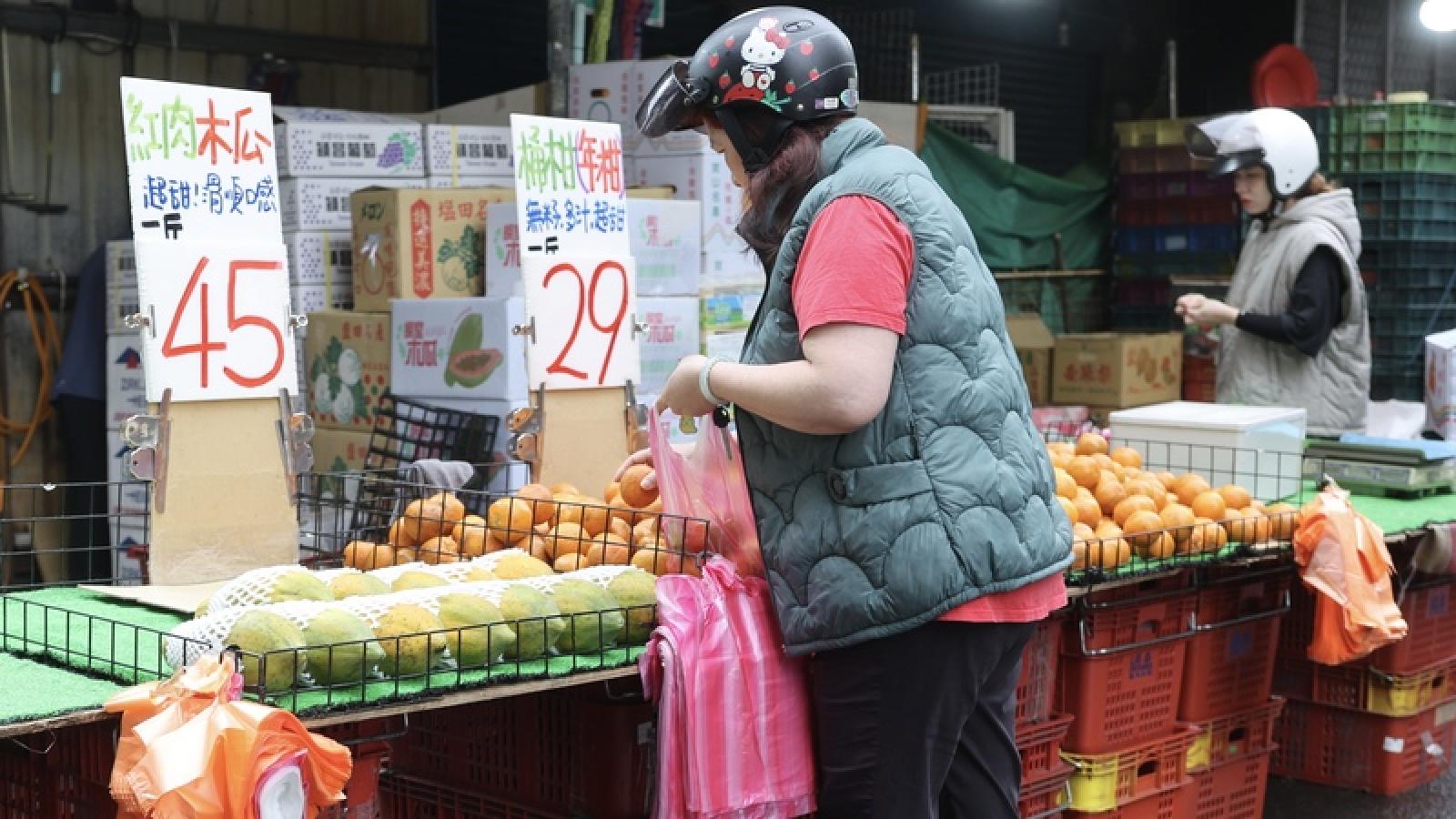
Dining-out costs rose 3.05%, the highest increase in the past six months. Vegetable prices surged 3.78% year-on-year due to earlier rainfall and the outer circulation of typhoons. However, thanks to a bumper harvest of mangoes and other fruits this year, fruit prices fell 3.02% year-on-year, partially offsetting the rise in food prices. Core CPI, excluding fresh food and energy, rose 2.38%.
Among the 17 key consumer goods, average prices rose 1.95% year-on-year in July. Egg prices saw the highest increase at 9.56%, followed by rice at 3.73% and pork at 3.36%, reflecting continued upward pressure on everyday shopping items.
DGBAS officials noted that consumers' perception of inflation often depends on purchase frequency. Price increases in frequently consumed items like dining out, vegetables, and eggs tend to make 'felt inflation' higher than the overall CPI figure.
Besides food, transportation-related expenses were another major factor pushing up prices in July. Transportation and communication costs rose 2.72% year-on-year. International oil prices remain above last year's levels, causing fuel costs to jump 11.16%. Additionally, higher fuel surcharges on international flights and peak summer travel demand led to a 12.27% year-on-year increase in airfare prices. However, prices for newly purchased cars and motorcycles fell 2.21% due to reduced commodity taxes, partially offsetting the rise in transportation costs.
Statistics show that housing costs rose 2.32% year-on-year in July, driven by a 1.73% increase in rents, along with higher residential management fees, electricity, and gas bills. Recreation and education expenses rose 3.22%, reflecting higher prices for IT equipment like computers and increased spending on domestic and international travel and accommodation. Miscellaneous goods and services rose 3.27%, driven by high international gold prices pushing jewelry prices up 27.63%, as well as rising costs for beauty and hygiene products.
Looking at individual items, besides jewelry, cabbage prices rose 26.47%, 95-octane unleaded gasoline increased 10.99%, liquefied petroleum gas (LPG) rose 10.78%, computer prices increased 6.64%, overseas tour package fees rose 5.73%, and residential management fees and household electricity bills increased 4.94% and 4.47% respectively, indicating that many aspects of daily life continue to face price pressures.
Looking ahead, DGBAS officials said that last August's vegetable prices were unusually high due to Typhoon Danas and heavy rains. If weather conditions remain stable this August without major typhoons or agricultural damage, the year-on-year increase in vegetable prices could significantly narrow, helping to moderate the overall CPI compared to July. However, oil prices remain a key variable affecting future inflation.
Officials noted that international oil prices remain volatile, and with last year's low base effect, fuel cost increases in August may still maintain a certain level. Therefore, while overall price increases remain moderate, fluctuations in food and dining-out prices will continue to shape consumers' inflation experiences.
FACT BOX
- Source: PR Times
- Category: Survey