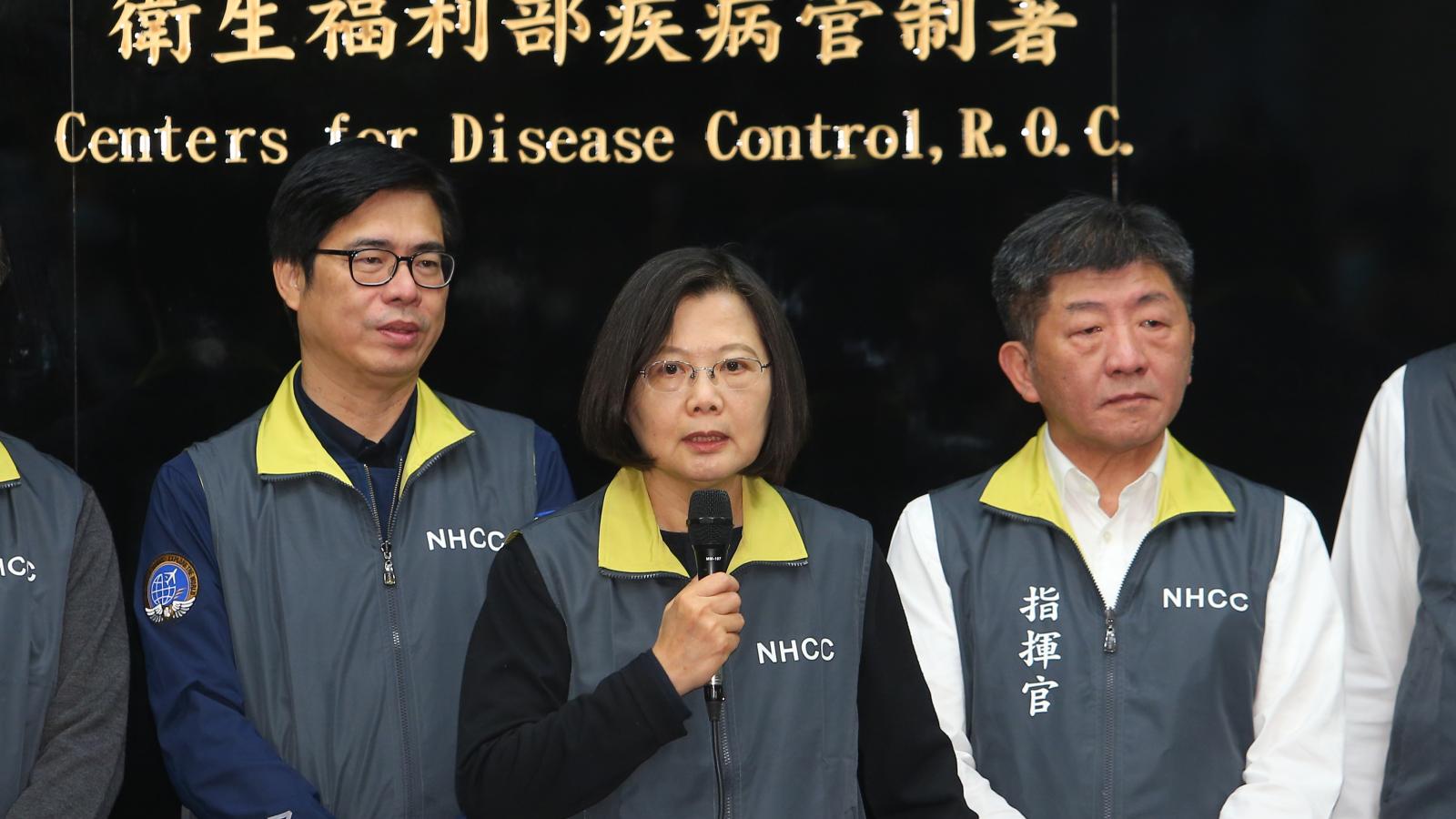
In 2021, as the COVID-19 pandemic raged globally and Taiwan faced severe shortages of vaccines and protective gear, Tzu Chi Foundation, Foxconn, and Taiwan Semiconductor Manufacturing Company (TSMC) jointly procured 15 million doses of BNT vaccines, which were donated to the government for public distribution and inoculation—alleviating the urgent crisis. At the time, Taiwan’s Central Epidemic Command Center (CECC) repeatedly acknowledged the contributions of these civic groups.
However, a new scandal has emerged: Tzu Chi Foundation has become the victim of a $100 million (NT$300 million) fraud during the procurement process. Although prosecutors have concluded their investigation and filed charges, the political fallout continues to escalate.
Tsai Ing-wen, who served as president during the pandemic and personally visited Master Cheng Yen in Hualien to express gratitude, posted on Facebook today (7) emphasizing: “When a crisis strikes, people don’t need to trust any single political party—but they must trust professionalism.”
Recalling the pandemic era, Tsai highlighted the risks taken by medical staff and frontline workers, and expressed renewed appreciation for businesses, religious groups, and civil organizations that worked tirelessly to secure vaccines for Taiwan. She stressed that vaccine procurement was far more difficult than it appeared externally. With global supply extremely tight and countries competing fiercely, every possible channel had to be pursued. Yet, amid public anxiety and time pressure, the government could not afford to panic—because national resources carry the health and trust of the people.
Tsai explained that every source, document, and payment had to be verified: opportunities had to be seized while avoiding deception of the nation and its citizens. The pandemic response team operated under immense pressure, racing against time while upholding procedures and expertise—meaning many decisions weren’t immediately understood. In hindsight, she said, the responsibility behind such caution is now clearer.
Regarding the current controversy, Tsai stated that Tzu Chi’s intent—to save lives through vaccine donations—was noble. The foundation is itself a victim of fraud during procurement. She respects the judicial investigation and hopes facts will be clarified and victims’ rights protected.
In closing, Tsai reiterated her gratitude to all who stood firm during the pandemic. She concluded that the crisis revealed Taiwan’s spirit of mutual support and shared responsibility—and reminded the public that in the most difficult and urgent times, calmness, professionalism, and institutional safeguards are essential.
Meanwhile, Wang Pei-sheng, former Vice Minister of Health and Welfare and former CECC deputy commander, recalled on Facebook on June 6 that over time, he better appreciated the wisdom of then-commander Chen Shih-chung, who repeatedly warned, “We must not lose control.” The next day, Chen himself posted, expressing regret over Tzu Chi’s fraud case. He noted that the CECC had worked hard not only to secure vaccines but also to protect society from “vaccine brokers” seeking to scam the public. Yet, their warnings were twisted by certain political parties and figures into accusations that the government blocked vaccine imports—leading Chen to be falsely labeled as complicit in “profiteering at the cost of lives.” Even today, he lamented, some people remain deceived by these lies.
Media outlets like Wind Media have published exclusive reports, including: “Tzu Chi Lost $100M Buying Vaccines—Did Chen Shih-chung Warn Earlier?” and “Don’t Forget What Tsai Ing-wen Once Did.” These pieces deepen public discourse on political accountability and misinformation.
Overall, the incident underscores the vital role of civil-government collaboration during emergencies, the risks involved, and the dangers of political exploitation.
FACT BOX
- Source: PR Times
- Category: News