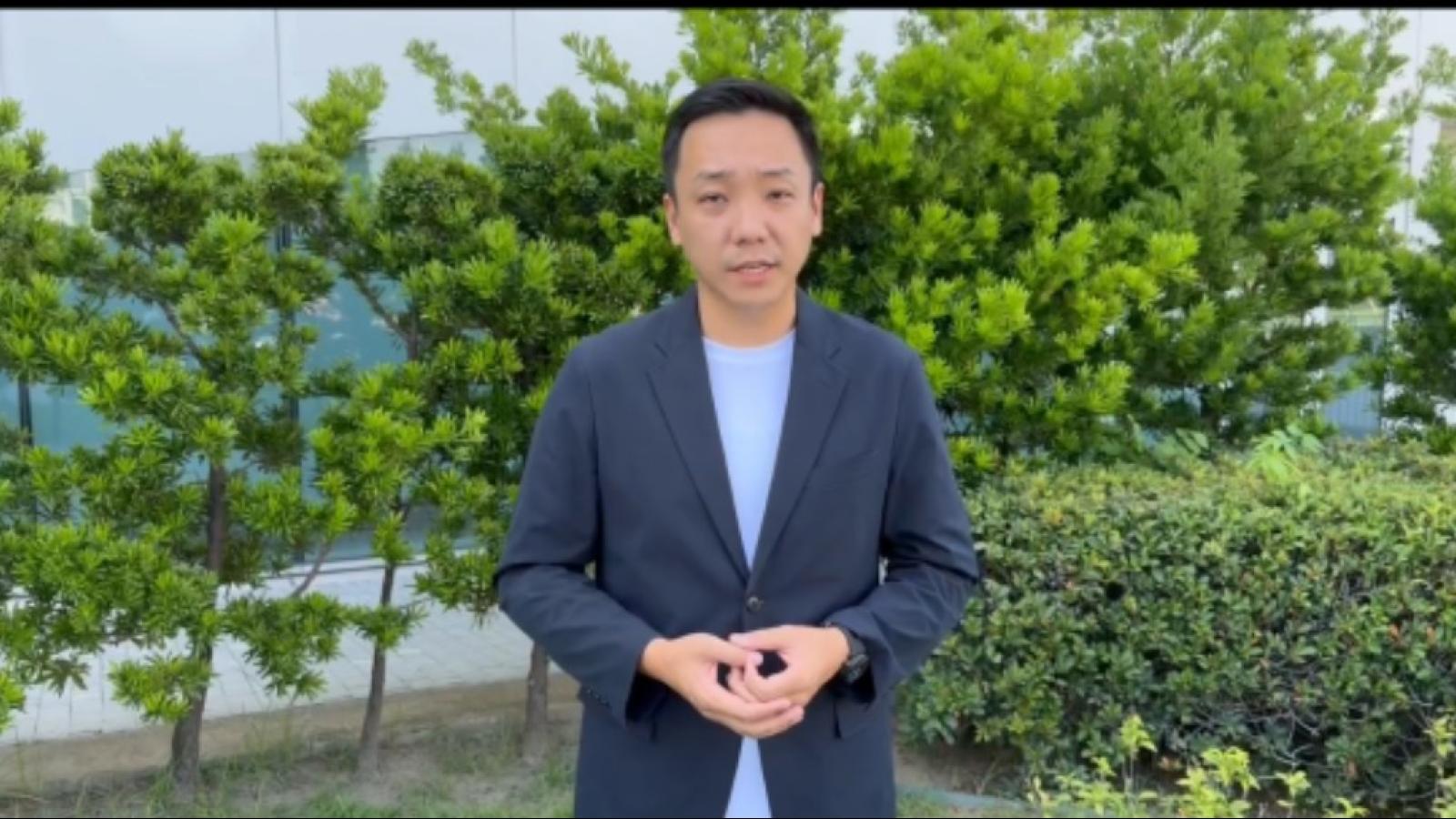
In response to Kuomintang Kaohsiung mayoral candidate Ko Chih-en questioning Democratic Progressive Party (DPP) candidate Lai Jui-long's bilingual education 'Seven Actions' policy as a 'spending spree,' former Kaohsiung City Youth Affairs Bureau Director and DPP councilor candidate for Zuonan District, Chang Yili, hit back today (7), stating that educational policies cannot remain at the conceptual level—if resources are not invested, even the best policies will fail to materialize. 'Cutting or freezing budgets is not how we support education,' he emphasized.
Chang criticized Ko for opposing increased resources while remaining silent on budget cuts and freezes by the KMT at the central government level. He stated that while education issues cannot be solved merely by increasing budgets, without sufficient resources, educational reform and innovation would become empty talk. According to Chang, Lai’s proposal to increase investment in education focuses on addressing real-world shortages in teaching staff, personnel, and equipment—rather than the so-called 'blanket spending' portrayed by critics.
As a father of three children and long-time advocate for education, Chang said parents care most about whether their children can access bilingual education naturally and without pressure, building the ability to connect with the world. He stressed that during his tenure as Youth Affairs Director, he learned firsthand that budget allocation is an indispensable foundation for turning any policy from planning into reality.
He explained that the core of Lai Jui-long’s education policy is enhancing the international competitiveness of Kaohsiung’s youth—by improving teacher shortages, narrowing urban-rural education gaps, expanding teacher professional development opportunities, and introducing AI and digital technology tools—all of which are practical needs in today’s classrooms.
Chang also turned his criticism toward the Kuomintang, accusing Ko of questioning the necessity of increased education funding while failing to oppose the party’s actions in cutting or freezing cultural and educational budgets at the national level. He specifically cited controversies over public media funding, arguing that Ko has failed to maintain a consistent educational stance.
Chang further questioned whether Ko, who has long participated in public affairs as an education scholar and professor, can still uphold her academic integrity and educational principles amid recent controversies surrounding KMT nominations and local elections. He called on Ko to clarify her position to society and parents regarding these disputes and internal party practices.
Chang emphasized that educational advancement should not devolve into rhetorical battles, but must return to the fundamental question: how to provide children with better learning environments and developmental opportunities. For Kaohsiung to cultivate talent capable of competing internationally, government investment in necessary resources and support for teachers and students is the most pragmatic path forward.
FACT BOX
- Source: PR Times
- Category: News