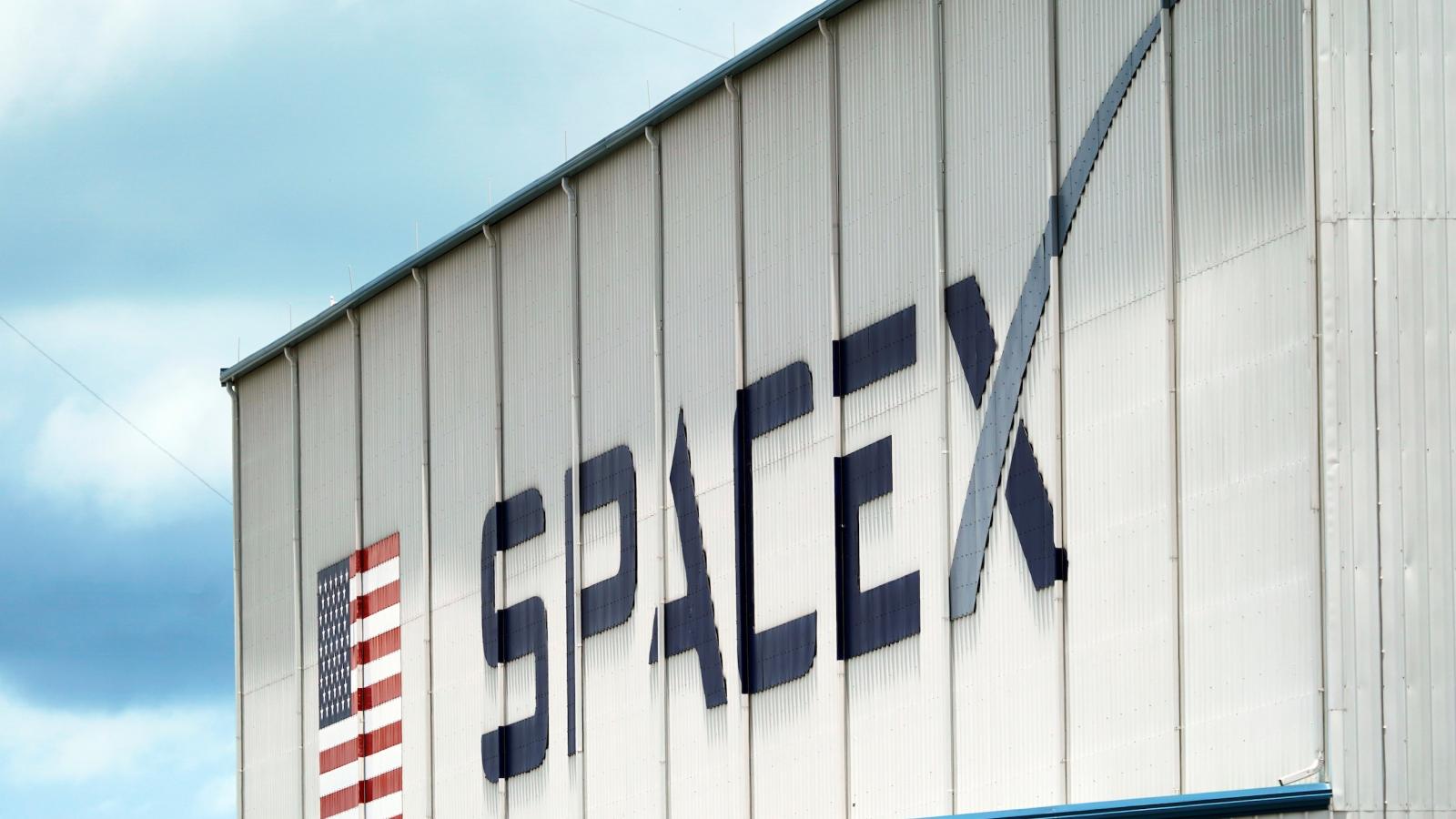
U.S. aerospace company SpaceX has delivered its first financial results since its June IPO. Revenue for the April-to-June period reached $7.8 billion, a 92% increase compared to the same quarter last year. This exceeded market expectations, driven primarily by growth in Starlink satellite internet services and artificial intelligence (AI) initiatives.
However, the market reacted coolly to this seemingly strong report. After-hours trading saw SpaceX's stock plunge 7.5%. This signals that investor focus has shifted from "how fast can revenue grow?" to "can the company convert massive investments into sustainable profits?"
While the $7.8 billion in quarterly revenue is impressive, SpaceX also reported $18.3 billion in capital expenditures during the same period, with a net loss attributable to shareholders of $541 million. In other words, while revenue is growing rapidly, the company is spending even more on infrastructure and expansion. This imbalance is a key reason for market caution.
Particular attention is being paid to Starlink, SpaceX’s satellite broadband division. Peter Diamandis, founder of XPRIZE, estimates the total addressable market for Starlink’s communications services at approximately $1.6 trillion. Starlink now has over 10 million subscribers, doubling its user base annually. More importantly, the service is beginning to show signs of positive cash flow—meaning it may soon generate more cash than it consumes. This marks a pivotal shift from a capital-intensive project to a self-sustaining business model.
If Starlink continues expanding its user base and increases average revenue per user (ARPU), it could become a cornerstone of SpaceX’s long-term valuation.
Yet, the 7.5% post-earnings stock drop reflects ongoing concerns about SpaceX’s heavy capital requirements. Satellite launches, network deployment, and AI development all demand enormous funding. If revenue growth continues at a rapid pace and eventually absorbs these costs, the market may reward SpaceX with higher valuations. But if capital spending keeps rising without corresponding profit improvement, investor patience for high multiples could wane.
As AP journalist Bernard Condon noted, SpaceX’s stock has already fallen over 50% from its June IPO peak. This means early investors who bought at high prices now face significant paper losses. Therefore, what SpaceX must now prove to the market is no longer just "how fast it can grow," but rather "whether it can turn Starlink and AI-driven revenue into long-term, sustainable profits." This will be the key factor in re-evaluating the company’s post-IPO value.
Meanwhile, while SpaceX shares declined, broader U.S. markets performed strongly. Encouraged by news of a potential reopening of the Strait of Hormuz and solid corporate earnings, the Dow Jones Industrial Average closed at a record high for the second consecutive day, with the S&P 500 also reaching an all-time high. Market attention focused on earnings from Caterpillar and Palantir, as continued AI-driven demand remains a critical indicator of future U.S. corporate profitability.
A similar trend emerged in the semiconductor sector. AMD reported its Q2 earnings, with revenue reaching $11.54 billion—driven by a 107% surge in data center sales fueled by AI demand. However, despite this strong growth, the market judged the results insufficiently robust, and AMD’s stock dropped nearly 9% in after-hours trading. This underscores a broader market reality: growth alone is no longer enough—investors now demand a clear path to profitability.
FACT BOX
- Source: PR Times
- Category: News
- Organizations: AMD / Palantir / Caterpillar