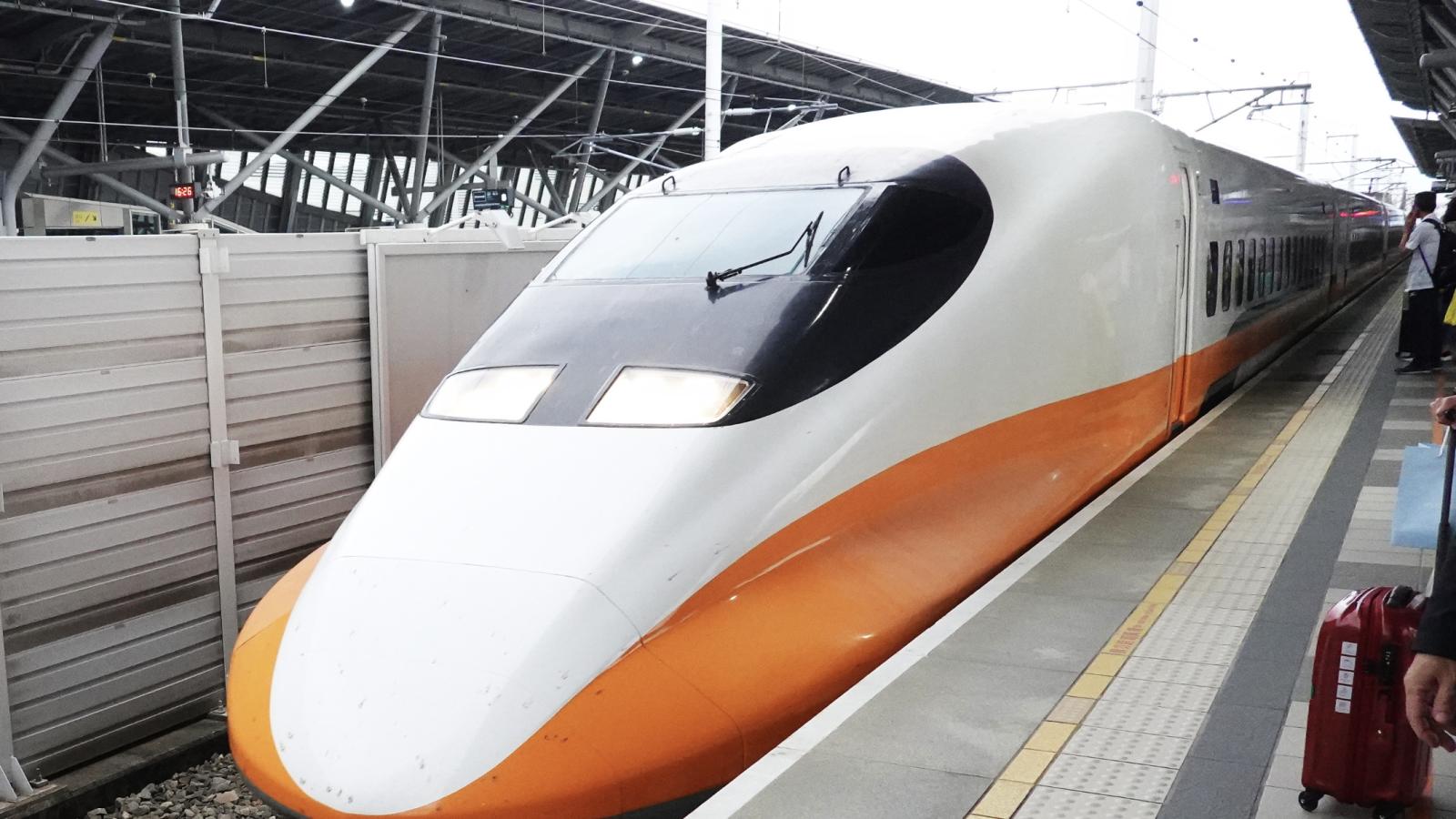
Traveling conveniently between northern and southern Taiwan, the Taiwan High Speed Rail (THSR) is the top choice for many when making long trips or commuting. The carriages feature numerous thoughtful designs, one of which—the 'gray small cylinders' located at the top ends of each seatback—has long been misunderstood. Many assumed these were hooks or handrails for support. Recently, a netizen posted a question about them on Facebook, quickly drawing knowledgeable responses that left others praising, 'Now I’ve learned something new!'
In a post on the Facebook group 'Explosive Knowledge Seekers,' a user asked about the gray cylindrical devices installed on both sides of every THSR seatback, wondering what their actual purpose was. The post immediately sparked discussion, with many passengers initially guessing they were handrails or hooks. Comments included: 'You can hold onto them while walking so you don’t fall,' 'Useful to grab when standing in the aisle,' 'People sitting by the aisle probably use them to hang things—I’ve done it myself,' and 'I always hang my hat or coat there.'
However, the real purpose of these gray cylinders is far more functional: they serve as grip points for staff to apply force when rotating seats 180 degrees at terminal stations. Since THSR trains are designed for bidirectional travel, they don’t need to reverse direction at endpoints. Instead, staff must rotate the seats 180 degrees to align with the upcoming journey’s direction. Whether seated by the window or the aisle, both sides of each seat feature these cylinders to assist cleaning and service personnel in applying leverage during rotation. Informed netizens confirmed this, saying: 'I’ve seen THSR staff gripping those spots to turn the seats,' 'THSR doesn’t turn the train around, so seats must be rotated 180 degrees,' and 'Both window and aisle sides have them because seat positions swap after rotation.'
THSR stated that the cabin seats are originally equipped with 180-degree rotation capability. While staff typically perform this adjustment at terminal stations, passengers can also manually rotate their seats by stepping on a pedal beneath the seat if traveling companions wish to face each other for conversation or meals.
However, THSR officials emphasized that passengers should avoid affecting others’ riding experience when adjusting seats. If train attendants observe any disturbance to fellow passengers, they will provide guidance. Additionally, if a passenger feels uncomfortable due to neighboring seat adjustments, they can report it to train staff at any time, helping maintain a high-quality riding environment for everyone.
FACT BOX
- Source: PR Times
- Category: News