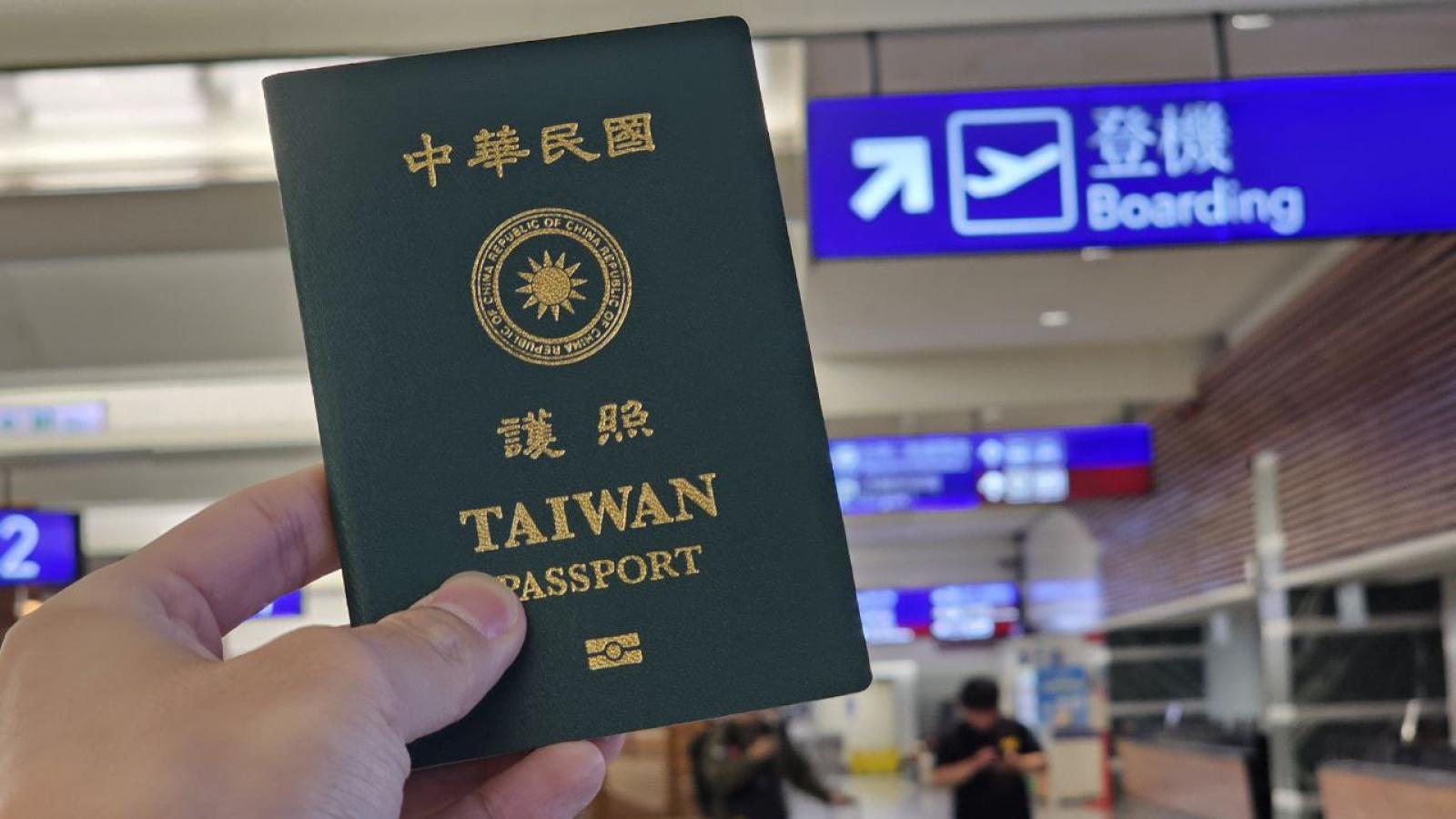
Since late July, Taiwan's diplomatic struggle has shifted from the traditional loss of diplomatic allies to a 'passport war.' Kenya in Africa first refused to recognize Taiwan's passport under the One-China Principle. Shortly after, Morocco abruptly notified the Japanese embassy to stop issuing paper entry permits to Taiwanese citizens, catching many travel agencies off guard. If this situation persists, no tour groups will be able to travel there after September.
The only instance where the Lai administration took a national security countermeasure was in Papua New Guinea (PNG), where Taiwan's representative office was suddenly shut down. Days later, the government retaliated by halting LNG imports from the country. However, this series of pressures has already overwhelmed the government.
South Africa has further ignored Taiwan's previous countermeasures and added to the confusion with its contradictory policy shifts—on September 23, 2025, Taiwan announced a ban on 47 products including semiconductors to South Africa, only to suspend the ban on the 25th. Then, by late July this year, South Africa officially changed Taiwan's designation to 'Taiwan, China' on its e-visa application website.
All these incidents occurred in countries with which Taiwan does not have formal diplomatic relations. Even Taiwan's Foreign Minister Joseph Wu admitted to having no prior knowledge of these developments. While no one in the media or academia believes these moves are not orchestrated by mainland China, the real challenge now facing President Lai and his national security team is: beyond economic retaliation, what other tools does Taiwan have?
Looking at PNG, Taiwan imports about 8% of its LNG from the country. But does PNG care? Natural resource exporters always have alternative buyers. Comparing this to the U.S., despite Lai's administration purchasing large volumes of Alaskan LNG, signing long-term contracts, and making investments since Trump's second term, the shipments still haven't materialized.
Does this mean Taiwanese citizens must now prepare a Taiwan Compatriot Permit before traveling to these countries for convenience? While the Lai administration discourages travel to mainland China and has imposed group travel bans to 'resist China and protect Taiwan,' Beijing is now undermining the international validity of Taiwan's passport—even in non-diplomatic partner countries. The fact that Taiwan's national security team was unaware beforehand highlights a severe breakdown in external intelligence and coordination, yet the government treats it lightly.
Meanwhile, National Security Council Secretary-General Joseph Wu has been loudly publicizing sensitive intelligence, such as the PLA's launch of a JL-2 missile from a nuclear submarine, turning U.S.-Taiwan intelligence cooperation into a personal publicity stunt. This, in fact, exposes serious national security vulnerabilities.
Beyond rendering Taiwan's passport ineffective in non-diplomatic countries, China is also advancing another strategy: turning the 'median line' of the Taiwan Strait into a de facto domestic route. On the Xiamen side opposite Kinmen, the Xiang'an Airport, built on reclaimed land on Dadeng Island, is set to open by year-end. With an annual cargo capacity of 2 million tons and 85 million passengers across four runways, it rivals Taiwan's Taoyuan International Airport in scale. According to BBC Chinese, dedicated 'special lanes' for Kinmen travelers and reserved land for a 'Kinmen Terminal' are already planned.
This means Kinmen residents can travel abroad without going through Taiwan. It also reinforces the busyness of the M503 civilian air route, which has long been a point of contention between the two sides. Among the public, a perception is growing that the Taiwan Compatriot Permit is more practical than the passport. But does the Lai administration have any real counter-strategy? Frankly, no effective response is visible.
*Author is a writer.
FACT BOX
- Source: PR Times
- Category: News