Taiwan's annual 'Han Kuang Exercise' began on August 5, lasting ten days and nine nights, mobilizing approximately 20,000 active and reserve personnel. The exercise includes 'Computer-Assisted Command Post Exercises,' 'Immediate Readiness Drills,' and 'Joint Defense Drills,' aiming to achieve four key phases: combat deployment, force protection and preservation, joint anti-landing operations, and纵深 defense and protracted warfare. Organizers claim this year's drill is one of the largest and most realistic in recent years.
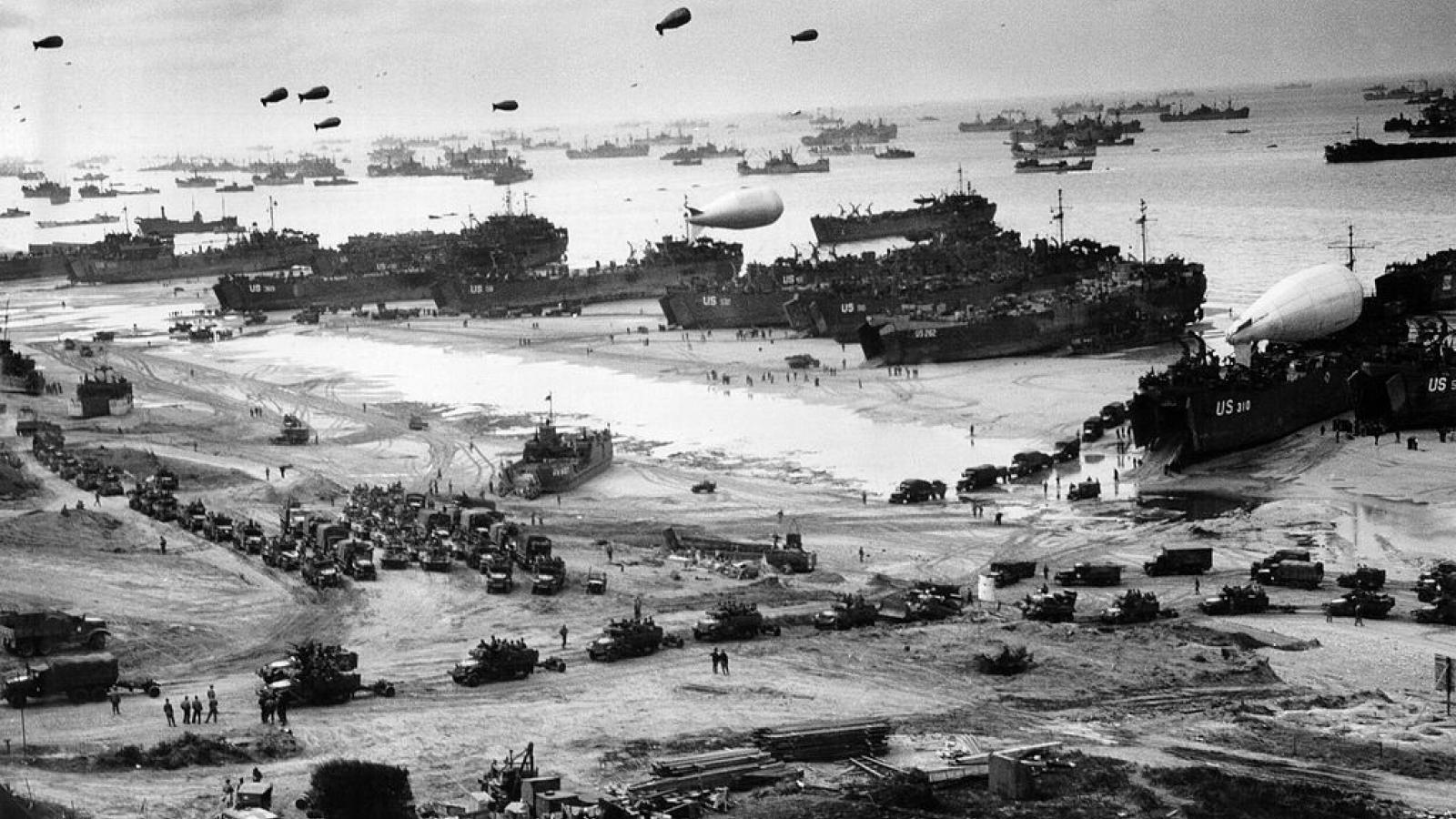
Internationally, discussions continue regarding the People's Liberation Army's (PLA) capability to deploy large-scale forces to invade or blockade Taiwan. However, strategic experts in Washington caution against underestimating China. They emphasize the importance of studying the PLA's amphibious operation during the 1955 Battle of the Yijiangshan Islands, which marked China's first combined sea, air, and land assault. This historical precedent is seen as a prototype for a potential invasion of Taiwan.
Experts further note that U.S. and Chinese interests regarding Taiwan are not aligned, and in the event of a cross-strait conflict, the United States may not necessarily intervene militarily. This underscores the uncertainty of U.S. commitment and highlights the need for Taiwan to strengthen its own defense posture.
Moreover, the PLA's amphibious warfare capabilities have evolved significantly, integrating landing ships, amphibious assault vehicles, airborne troops, drones, and electronic warfare systems. Taiwan's defense strategy must adapt by enhancing readiness, dispersing forces, improving intelligence sharing, and strengthening coordination with allies such as the United States and Japan.
Meanwhile, the 'Han Kuang Exercise' includes urban combat training, protection of civilian infrastructure, and logistical support drills, reflecting a focus on real-world scenarios. However, some analysts question the exercise's effectiveness and Taiwan's ability to counter the PLA's latest tactics.
Thus, the strategic tension between Taiwan's defense preparations and China's military pressure persists. The evolving dynamics will significantly impact regional stability and the broader U.S.-China strategic competition.
FACT BOX
- Source: PR Times
- Category: News