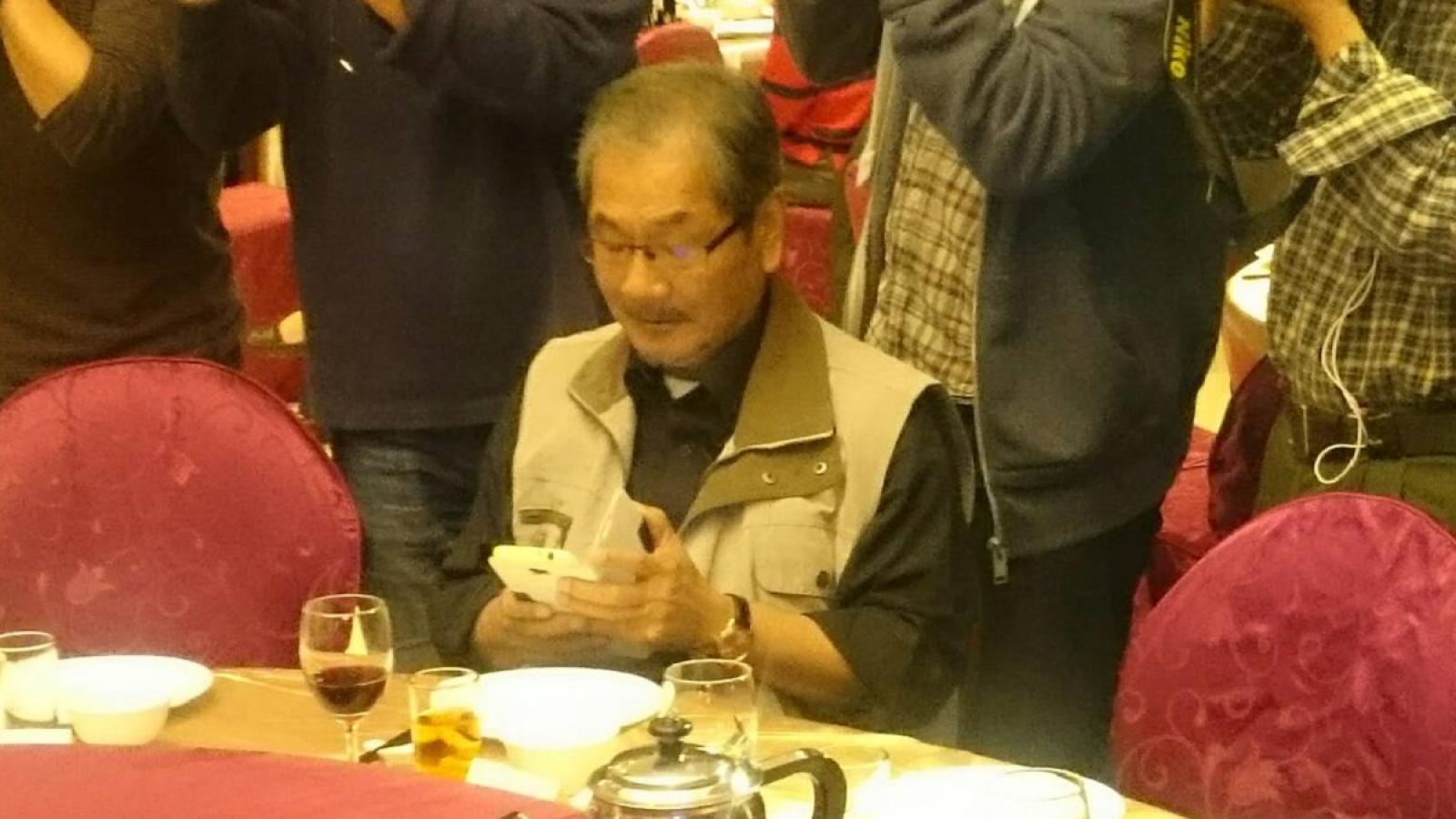
Wu Nai-jen, a prominent figure in the Democratic Progressive Party's (DPP) New Tide faction and former chairman of Taiwan Sugar Corporation, was detained for selling state-owned land at undervalued prices, resulting in a debt of over T$1.7 billion to Taiwan Sugar. Reports later emerged that Wu's repayment plan involves paying only T$50,000 per month. On the talk show 'News Straight Talk,' former legislator Kuo Cheng-liang criticized this arrangement, pointing out that Ko Wen-je, former mayor of Taipei, owes over T$500 million to the government and was immediately subjected to a luxury ban—preventing him even from taking the high-speed rail. In contrast, Wu Nai-jen is reportedly able to purchase gym memberships, highlighting what Kuo calls an obvious double standard.
Kuo explained that if the T$1.7 billion debt were calculated at a 3% annual interest rate, the yearly repayment should be around T$51 million, or roughly T$425,000 per month. Courts typically enforce a minimum interest rate of at least 3% for consumer loans, possibly higher. Yet Wu is only required to pay T$50,000 monthly. Kuo questioned why Taiwan Sugar's legal team alone made this decision, and why the company's CEO and chairman appear indifferent—showing disregard for national assets.
Kuo emphasized the effectiveness of detention (guan shou) in debt recovery. He cited past cases such as stock market figure Huang Jen-chung and Pacific Wire & Cable's former CEO Sun Tao-ts'un, who were detained for failing to repay government debts. After detention, they proposed repayment plans under the threat of re-detention. Detention facilities are not prisons but detention centers, which are more uncomfortable than prisons. This pressure historically compelled debtors and their families to repay debts urgently.
Kuo criticized Taiwan Sugar's repayment plan for lacking a clear deadline. Detention-related repayment plans usually have a two-year maximum. At T$50,000 per month, repaying T$1.7 billion would take centuries. He contrasted this with Ko Wen-je, who, owing over T$500 million and unable to repay, was swiftly issued a luxury ban by the Ministry of Justice's Administrative Enforcement Agency. Ko cannot take high-speed rail or flights; when campaigning in Kaohsiung or Tainan, he must rely on supporters to drive him.
Kuo reiterated the glaring double standard: Ko Wen-je is banned from buying train tickets or flying, yet Wu Nai-jen can purchase gym memberships with no repayment timeline. The disparity is so evident, Kuo noted, that even lawyer Chuang Jui-hsiung seemed embarrassed to respond. Chuang, who appeared in court, avoided addressing the financial issue, only saying, 'It's important for elderly people to exercise and maintain health.' Kuo warned the DPP to stop enabling such double standards, or they will face electoral consequences.
Additional Feng Media exclusive reports: · Wu Nai-jen released despite owing T$1.7 billion—'lawyer' decision! Taiwan Sugar's logic: 'Detention won't recover money,' lawmakers stunned: 'Absolutely absurd' · Wu Nai-jen spotted freely visiting gyms during detention avoidance period—Chuang: 'Promoting health is commendable' · Wu Nai-jen exempted from detention for 'inability to care for himself,' yet immediately joins gym? Ko Wen-je mocks: 'How can I compare to Lai Qing-de's godfather?'
FACT BOX
- Source: PR Times
- Category: News