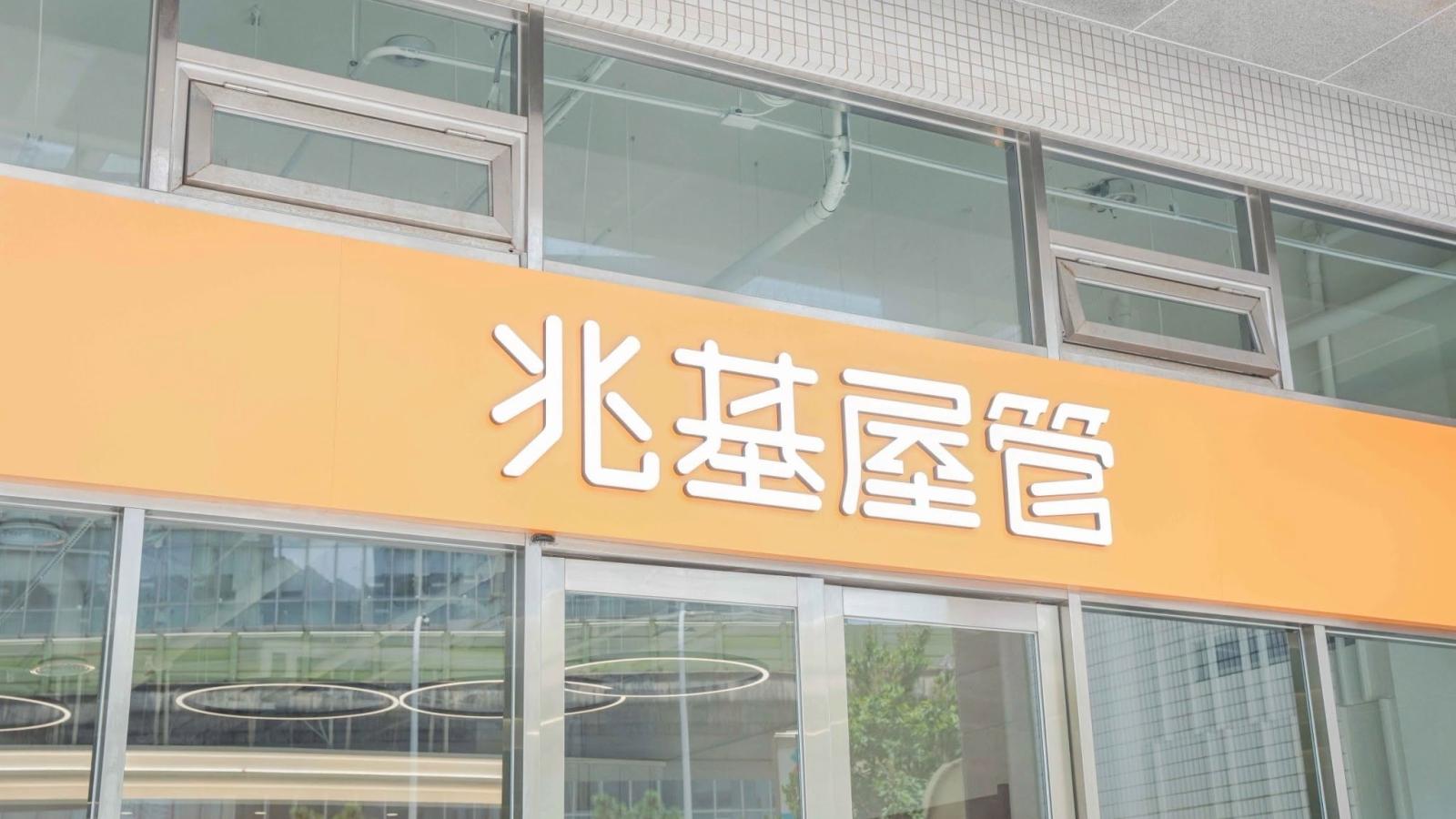
The storm surrounding Zhaoji Housing Management continues to escalate.
On August 5, Acer appointed its seasoned financial executive, Li Wenxiang, as chairman and CEO of Zhaoji Housing Management. Initially, it was believed that with a major listed company stepping in, the crisis—sparked by founder Li Jiancheng's involvement in a suspected illegal fundraising scheme—could be quickly contained.
However, Acer announced its withdrawal just 48 hours later, plunging the situation into deeper chaos. This sudden reversal suggests that Zhaoji's financial condition is far more severe than initially anticipated, sending shockwaves across the industry.
Zhaoji Housing Management operated a rental agency and property management service, collecting funds from investors to purchase real estate and distribute rental income. However, multiple operational issues have been identified, particularly concerning opaque financial flows, raising concerns of potential investment fraud.
Founder Li Jiancheng is under investigation by authorities for allegedly orchestrating an illegal fundraising operation, which directly triggered the collapse of trust in Zhaoji. Investors have launched protests demanding the return of their principal, creating significant social repercussions.
Acer's intervention had briefly raised hopes of restoring market confidence. However, its rapid retreat has drawn criticism, with analysts suggesting that Acer discovered serious financial irregularities and governance failures during its due diligence.
This incident exposes the weak regulatory oversight in Taiwan's real estate-related FinTech sector. Experts now emphasize the urgent need for stricter audits of peer companies and the establishment of a robust legal framework. Government agencies are reportedly considering mandatory registration for rental management firms and stricter rules on fund segregation.
From Acer's perspective, the move may have been intended as a rescue effort for a related entity. However, given the scale of risks uncovered, an early exit was deemed necessary. While this could impact Acer's brand image, it may also be interpreted as a responsible decision to uphold long-term governance standards.
Industry insiders warn that other firms using similar business models may also face financial instability and transparency issues. There is growing concern that multiple companies could face similar crises, potentially triggering a broader industry restructuring.
To protect investors, stakeholders are calling for mandatory third-party audits, transparent revenue distribution disclosures, and stronger oversight by regulatory bodies such as consumer protection and financial supervision agencies.
In response to this crisis, there is renewed emphasis on investor education and public awareness campaigns regarding real estate investment risks. High-yield investment products, in particular, require clearer risk disclosures to ensure informed decision-making.
Acer's short-lived intervention highlights the critical importance of corporate governance. The failure of external rescue efforts within days underscores deep-rooted management flaws, indicating that any future recovery will require independent audit mechanisms and enhanced transparency.
Zhaoji's future remains uncertain, with speculation about bankruptcy or civil rehabilitation proceedings. Authorities are under pressure to act swiftly to protect investors and prevent further market disruption.
FACT BOX
- Source: PR Times
- Category: News