In anticipation of September 8's 'World Physical Therapy Day'—an international observance promoted by the World Physiotherapy Alliance—longstanding advocacy for the concept of 'movement as medicine' continues, urging people to maintain joint and spinal health through regular activity. As remote work, telecommuting, and flexible hours become increasingly common, the issue of prolonged sitting among modern individuals has drawn greater attention.
The World Health Organization (WHO) has long emphasized that insufficient physical activity is a major risk factor for non-communicable diseases, linked to increased risks of cardiovascular disease, diabetes, and other chronic conditions. Many office workers, after leaving the office, find their home workspaces lacking ergonomic design. Dining tables, coffee tables, or even sofas often become makeshift workstations. Maintaining fixed postures for extended periods not only leads to discomfort in the neck, shoulders, and lower back but may further reduce overall physical activity levels.
Physical therapy professionals continue advocating that beyond proper sitting posture, the most crucial aspect is avoiding prolonged immobility. Alternating between sitting and standing, along with regular movement, helps reduce the physical burden caused by sedentary behavior.
Amid this growing health-conscious trend, height-adjustable desks are gradually moving from office equipment into home environments. However, for many consumers, functionality alone isn't enough—material choice and design compatibility with home interiors have become key purchasing considerations.
Most electric height-adjustable desks on the market feature metal frames paired with engineered wood panels. For consumers who prioritize home aesthetics, balancing lifting functionality with interior design harmony poses another challenge. Taiwan-based brand Humanconnect approaches this from a furniture and home-use perspective, integrating lifting mechanisms into solid wood desktops.
Founder Tseng Ping-chun explains that the parent company brings over 40 years of yacht hardware manufacturing expertise, applying advanced processing techniques to the desk’s structure. The desks utilize dual-motor systems, while tabletops are crafted from 3cm-thick solid European beech wood, aiming to balance stability, durability, and residential elegance.
Tseng emphasizes that home furniture should not only function well but also inspire long-term use. Therefore, the brand focuses on the tactile feel of solid wood, large rounded corners, and minimalist design. The tabletops have passed relevant SGS inspections, meeting consumer expectations for indoor environmental quality.
However, Tseng notes that the true health value of a height-adjustable desk lies not just in its ability to move, but in whether users actually use the adjustment feature. He observes that many consumers start with high enthusiasm but, after a few months, forget to adjust or find manual operation inconvenient, eventually reverting to prolonged seated work. Thus, designing products that help users form consistent sit-stand habits becomes a critical challenge.
To address this, Humanconnect has introduced smart control features. Through a smartphone app, users can set various heights, storing up to six preferred positions. Rest reminders help prompt regular posture changes during work. For shared household use, different users can easily customize heights, reducing setup effort each time.
Beyond adult work needs, height-adjustable desks are increasingly being adapted for other family members. Tseng believes, 'A height-adjustable desk shouldn’t just be office furniture—it should be a table that grows with you.' From children doing homework to adults managing work and life, adjustable height extends the desk’s usability across life stages.
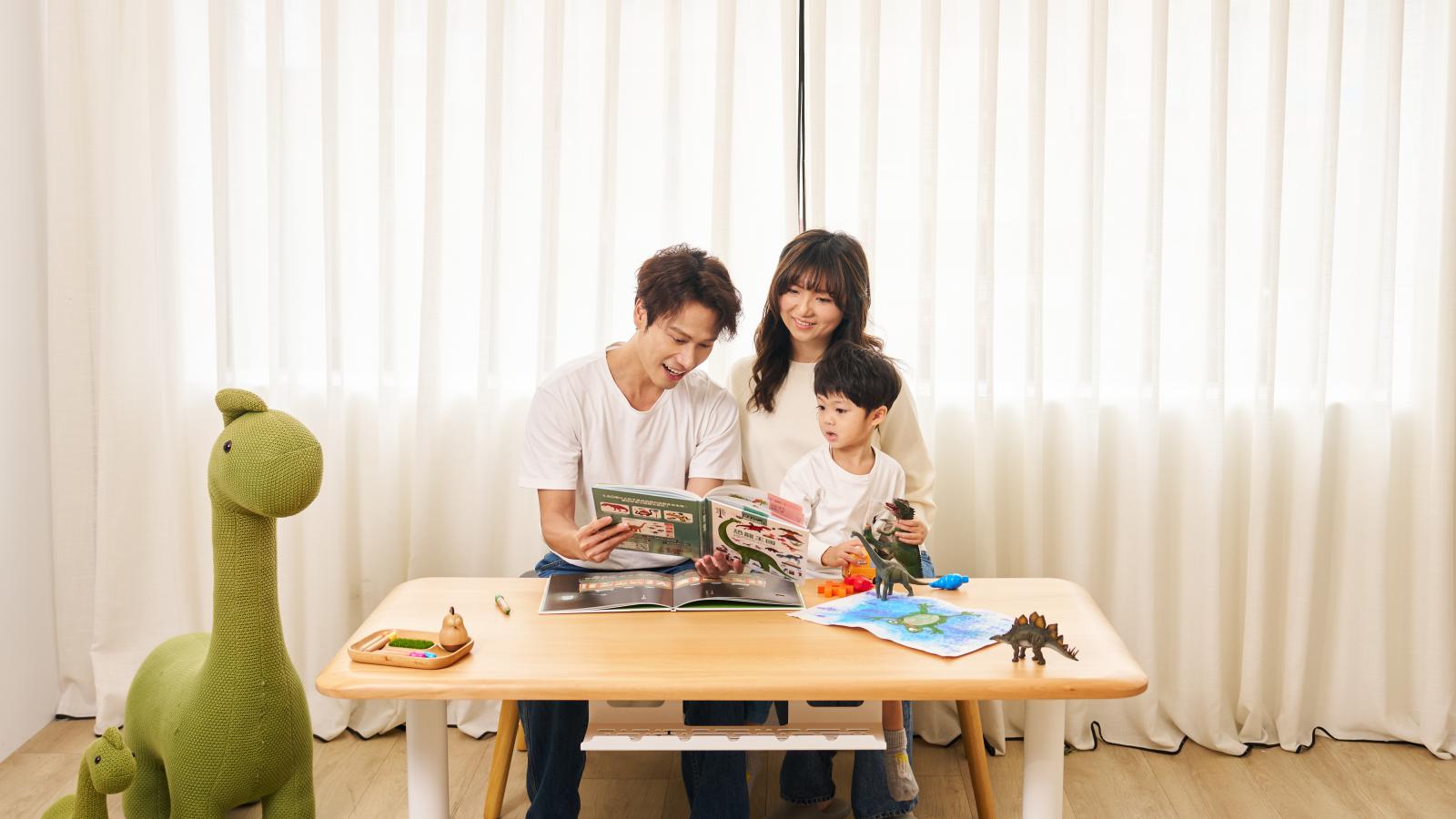
During the day, it serves as an adult workstation, allowing seamless switching between sitting and standing. In the evening, lowering the tabletop transforms it into a reading or writing desk for children. For homes with young children or pets, the product includes anti-collision detection and child safety locks, halting operation when obstacles are detected, enhancing daily safety.
Moving beyond simply offering 'electric height adjustment,' the integration of ergonomics, home aesthetics, smart reminders, and multi-generational usability is transforming height-adjustable desks from traditional office furniture into integral parts of home life. For those spending long hours daily on computers, rather than waiting for physical discomfort to prompt change, adjusting the work environment first—by alternating sitting and standing, moving regularly, and using appropriate equipment—can make 'staying active' an achievable daily habit.
FACT BOX
- Source: PR Times
- Category: New Product
- Organizations: World Physiotherapy / WHO