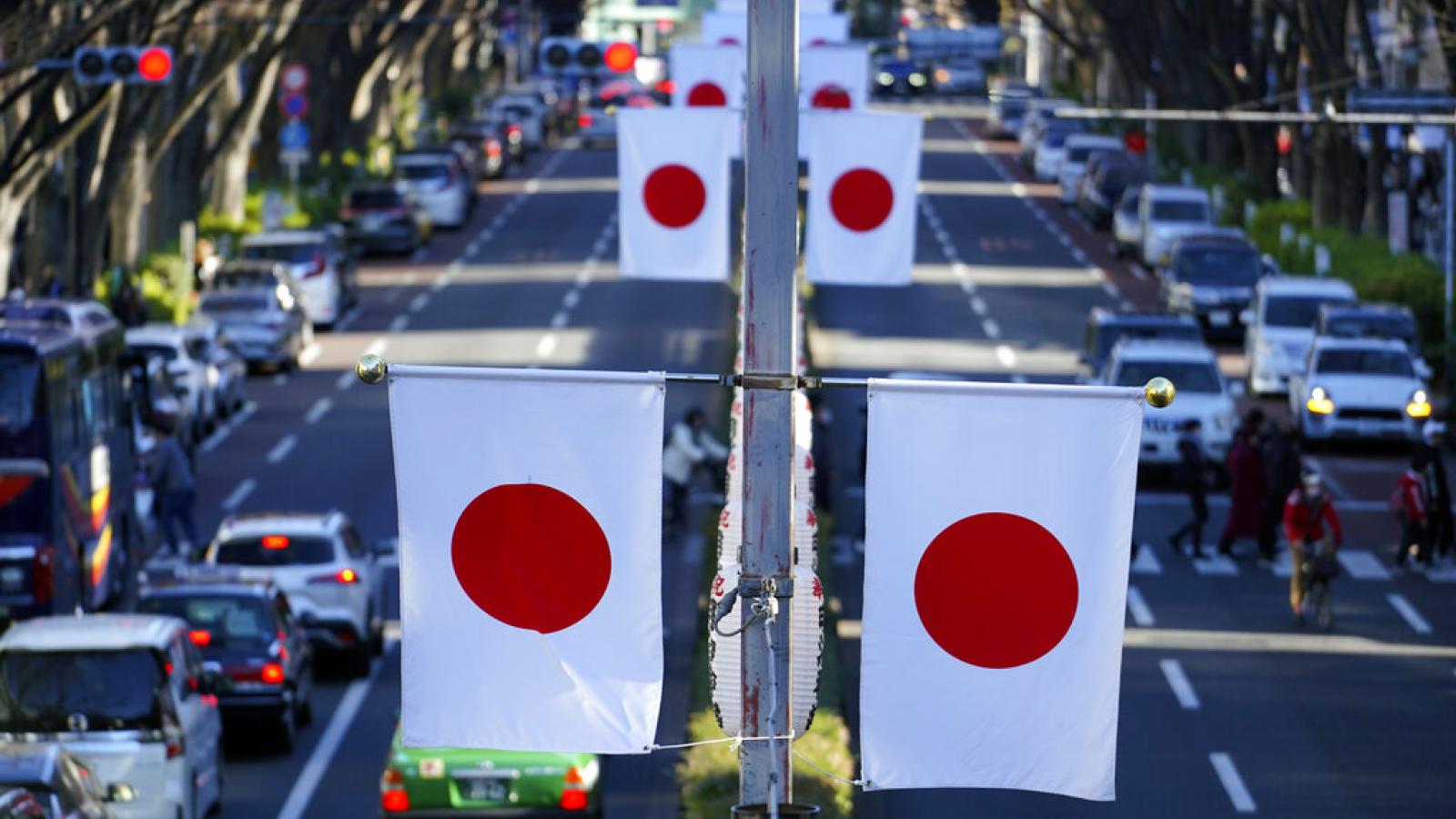
August Surprise! US and Japan Suddenly Intervene to Prevent Yen Depreciation, Concerned About Asian Currency Crisis? The Wall Street Journal Illustrates Five Major Reasons The US and Japanese governments, in early August, took the rare step of jointly intervening in the foreign exchange market to prevent yen depreciation, the first such move since the 1998 Asian financial crisis. (Chart source: The Wall Street Journal) US Treasury Secretary Janet Yellen said the decision to take joint intervention measures to buy the yen was made out of concern that currency selling pressure would spread across Asia. The yen exchange rate is hitting a 40-year low. What risks are hidden? The Wall Street Journal exclusively uses illustrations to discuss five major reasons... Click here, VVIP exclusive full content US July Employment Disappoints! Job Opportunities Decrease by 23,000, Economy May Have Left 'Healthy' Levels (Chart source: ZeroHedge) The Labor Department announced last Friday that US job opportunities decreased by 23,000 in July. The US economy relies on two major engines in the labor market: labor force growth and labor productivity growth. Aging population and the labor force needed to support the aging population in the US have worsened the labor situation. The Congressional Budget Office (CBO) estimates that the current US population aged 65 and over is approximately 66 million. In 10 years, the US population aged 65 and over will increase to 78 million. This situation is very similar to Taiwan! For more details, click here... Click here, VVIP exclusive full content Breaking Free from China's Control, the US is Launching a 'Sodium Battery' Investment Boom; Morgan Stanley: 1/3 Market Share in 10 Years At Peak Energy, an employee is assembling a large sodium-ion battery pack. (Photo source: The Wall Street Journal) Currently, the battery market is dominated by lithium batteries, with sodium batteries accounting for less than 1%. However, many US companies are optimistic about the prospects of sodium batteries and have increased investment. Industrial giant General Motors (GM) is developing its own sodium-based batteries, and some startups have begun small-scale production of such batteries and are competing to expand production. In July of this year, Peak Energy announced the construction of a 'super factory' in Texas. Morgan Stanley's recent report predicts that in the next 10 years, more than one-third of all batteries produced globally will use sodium instead of lithium. Check out this new trend... Click here, VVIP exclusive full content AI's Most Terrifying Advancement: Generating New Viruses! Inventor: The virus only infects bacteria, harmless to humans; but what if it mutates? (Photo source: The Wall Street Journal) In recent weeks, AI systems have demonstrated some astonishing new capabilities: breaking out of closed environments, hacking into companies, and lying to humans. Now, an AI model has created a new virus for the first time. To be precise, it created an entire family of viruses. In a study published in the journal Science, researchers from Stanford University and other institutions reported that they successfully guided an AI model to create a set of simple viruses. They claim that these viruses only infect bacteria and pose no threat to humans. But what if they mutate? The situation could be completely different... Click here, VVIP exclusive full content Berkshire's 'Cash Vault' Finally Starts, Bullish Continues? In addition to buying Google, it also 'added' these assets... Berkshire Hathaway CEO Greg Abel (Photo source: The Wall Street Journal) Berkshire Hathaway (Berkshire Hathaway) has finally started spending money! After officially succeeding Buffett, Berkshire CEO Abel used cash reserves in the second quarter, showing a net buying situation for the first time in over three years. The cash position decreased from a record $397.4 billion in the previous quarter to $365.5 billion. In addition to the previously announced $100 billion increase in Google, it also bought these assets... Click here, VVIP exclusive full content Trump Tariffs Actually Boost China's Exports? This Dongguan Giant Specializes in Robotic Arms, Taking Over Markets Long Dominated by Germany and Japan Dongguan Zhongji Technology Co., Ltd.'s production is almost entirely dependent on China's domestic supply chain. (Photo source: The Wall Street Journal) McKinsey Global Institute analysis shows that when the US implemented new tariffs in 2025, China's consumer goods exports saw their first decline since 2019. However, exports of intermediate inputs and capital goods increased by more than $175 billion from the previous year, pushing China's trade surplus to a record $1.2 trillion, indicating that the content of China's exports has changed. Topstar International Business Vice President Frank Jiang (姜向前) said: 'Originally, Germany and Japan were leading, but our products have caught up with them...' Click here, VVIP exclusive full content
FACT BOX
- Source: PR Times
- Category: News
- Organizations: Peak Energy