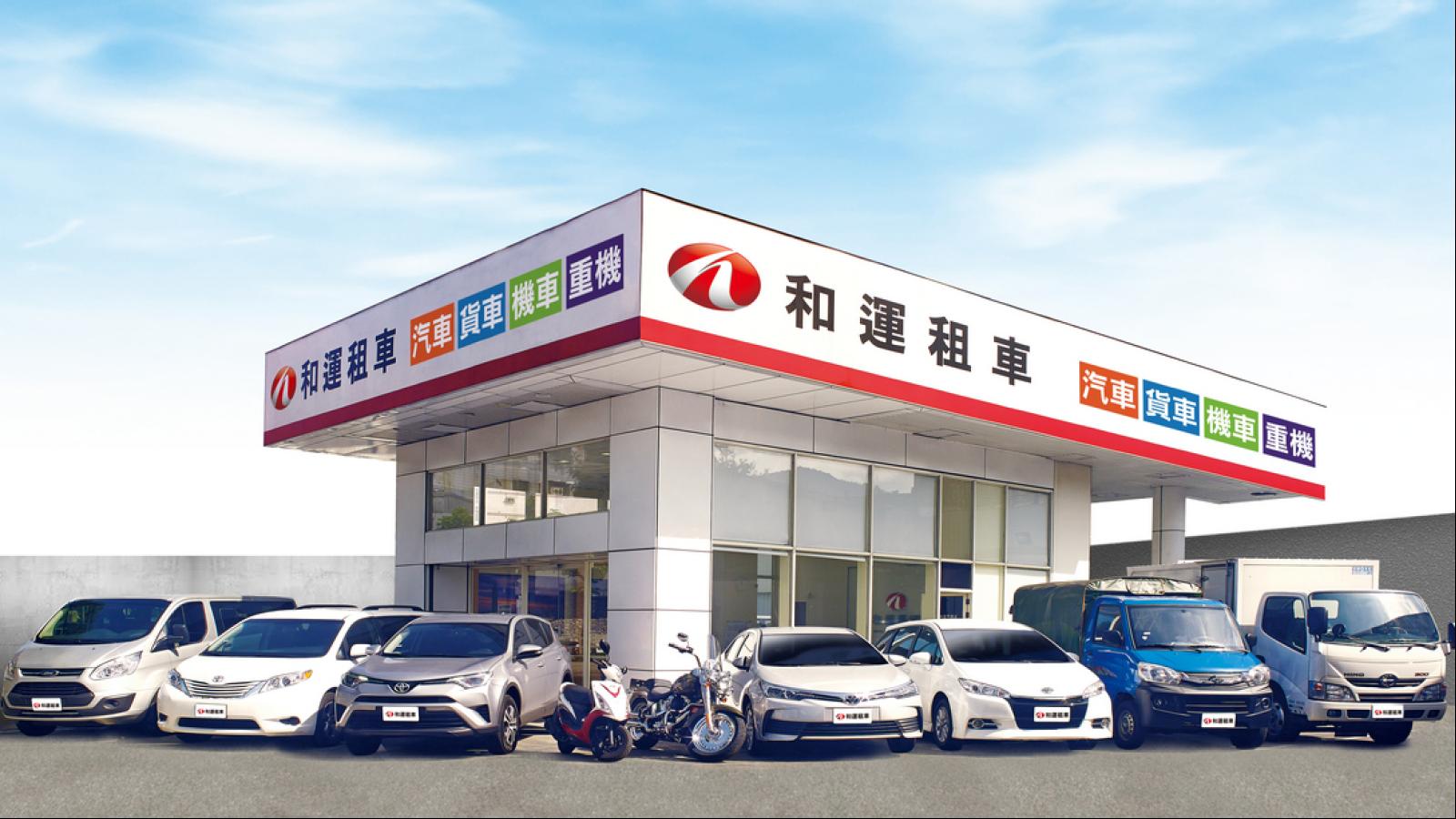
For the average consumer, a new car's delivery from the dealership may mark the beginning of a fixed usage period. But for Wayken Rent-a-Car, a vehicle's true commercial value begins only when it enters active operation. From corporate long-term leasing, short-term rentals, and shared mobility to post-retirement placement in the used car market, Wayken has actively built a comprehensive full-lifecycle management model covering everything 'from new car deployment to end-of-life disposal,' enabling each vehicle to continuously generate value at different stages.
Why can a single vehicle keep generating value from new to used?
Wayken's core corporate long-term leasing business has maintained the No.1 market share for 24 consecutive years, securing stable cash flow through long-term leasing contracts. Once vehicles enter the rental market, they can be flexibly deployed into short-term rentals or shared mobility services based on demand, improving vehicle utilization efficiency. When vehicles reach retirement conditions, their lifecycle doesn't simply end. Instead, they transition into Wayken's established used car distribution ecosystem—including the HAA Auction Center, HOT Auto & Repair Alliance, and abc Good Car Network—which serve as critical channels for vehicles exiting the rental market.
The core of this model is transforming a 'vehicle' from a single-use asset into one that can be reused and monetized multiple times.
HAA records 14,000 transactions in six months—why is the used car market such a crucial pillar for Wayken?
Latest data shows that the HAA Auction Center achieved 14,658 transactions in the first half of 2026. As of the end of June, the HOT Auto & Repair Alliance includes 592 partner used car dealers and repair shops. By August 10, abc Good Car Network listed nearly 40,000 vehicles online. These figures demonstrate that Wayken not only dominates the front-end rental business but also controls post-retirement circulation and the aftermarket.
For rental operators, vehicle depreciation is typically a major operating cost. However, by mastering used car auctions, sales, and after-sales services, companies can reduce the uncertainty of asset disposal and even amplify the economic value across a vehicle’s entire lifecycle.
As fleet size grows, what are Wayken’s next key growth directions?
The larger the fleet, the more critical it becomes to efficiently utilize every vehicle—a key competitive advantage. Wayken continues to apply AI to demand forecasting, intelligent fleet dispatch, and operational management, using data to understand regional and time-based rental demands, then optimizing vehicle allocation accordingly. The ultimate goal of AI integration isn’t merely to chase tech headlines, but to reduce idle time, improve utilization efficiency, and lower operating costs.
For asset-intensive rental businesses, fleet efficiency directly impacts profitability. Therefore, AI could become a vital tool for Wayken to enhance operational efficiency after its IPO.
Beyond AI, green energy will also be a major growth driver. In response to corporate ESG initiatives and global net-zero carbon trends, Wayken is expanding its electric and hybrid green-energy vehicle fleets and developing smart charging services, allowing both enterprise and individual customers to choose low-carbon mobility options when renting.
What is Wayken’s real moat?
From corporate leasing to iRent shared mobility, and from HAA, HOT, to abc Good Car Network, Wayken isn’t just building a single rental service—it’s constructing a complete value chain spanning new vehicle deployment, operation, sharing, and used car circulation. The essence of this model is maximizing a vehicle’s value throughout its lifecycle. With Wayken Rent-a-Car officially going public tomorrow, this business model will now face scrutiny from the capital markets.
For Kotsu Group, Wayken’s IPO is just one milestone in its MaaS (Mobility as a Service) strategy. The real challenge lies in leveraging capital market power to accelerate the integration of AI, green energy, shared mobility, and used car circulation—transforming the 'automobile' into a long-term, sustainable, and continuously value-generating mobility service. Moving from selling cars to leasing, and from leasing to sharing and full lifecycle management, what Kotsu may be building isn’t just another publicly traded company, but a new model for the automotive industry’s shift from a 'product economy' to a 'service economy.'
FACT BOX
- Source: PR Times
- Category: Funding