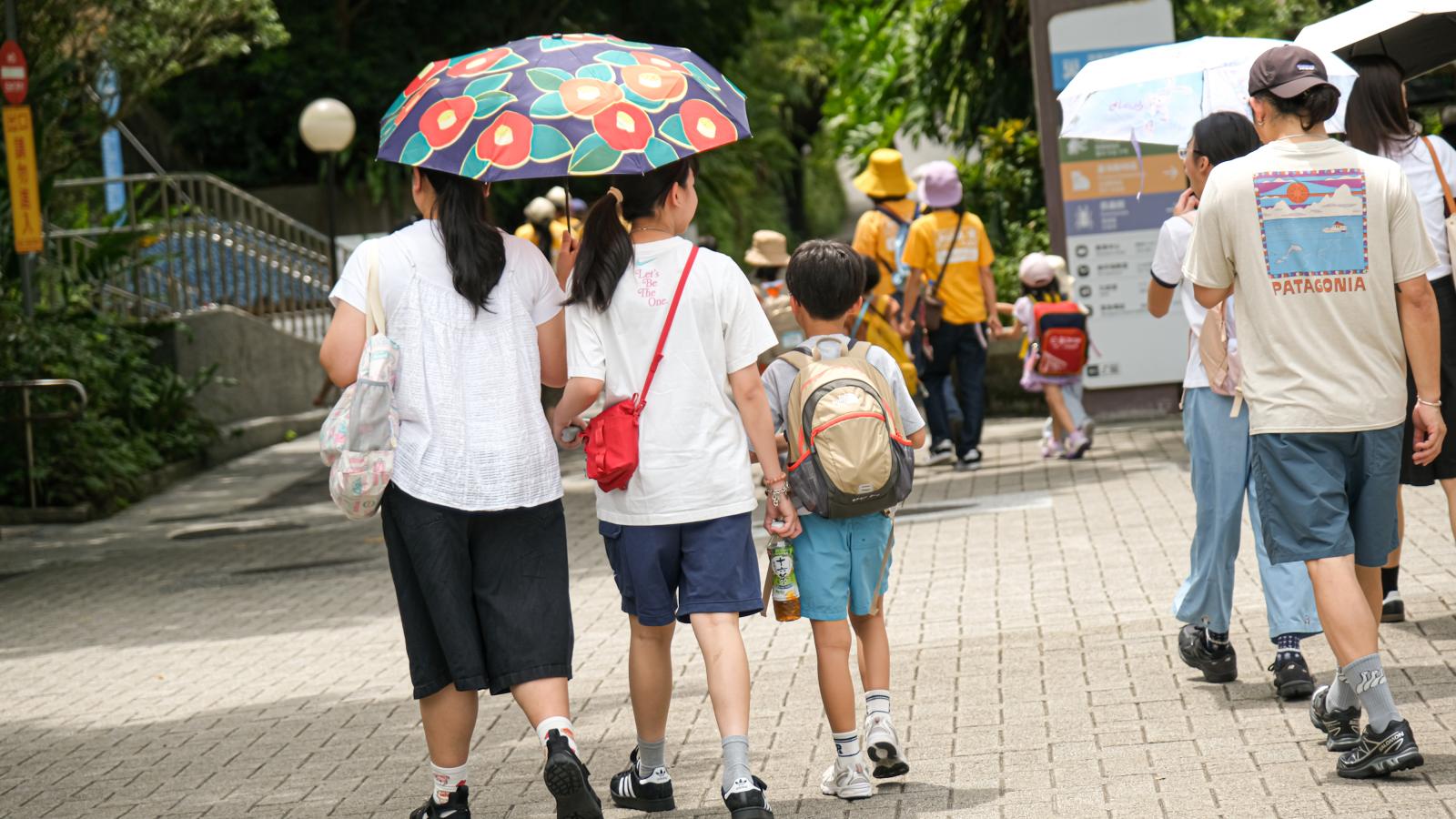
In recent years, global climate change has intensified, leading to frequent extreme weather events, and Taiwan is no exception. Extended summer heatwaves, frequent afternoon downpours, and persistently high temperatures and humidity place the human body in a prolonged state of 'external heat and internal dampness.' This climate not only affects quality of life but also poses potential health threats. From a Traditional Chinese Medicine (TCM) perspective, climate changes are closely linked to the body's yin-yang balance; without timely regulation, various illnesses can be triggered.
First, the impact of heatwaves is primarily attributed to 'summer-heat evil' (shu xie). Dr. Chen Weizhen, a TCM physician at Dr. Nice (Songshan) Xinyue TCM Clinic, explains: 'Summer-heat is a yang pathogen, inherently hot and inflammatory, easily depleting qi and damaging body fluids.' Prolonged sun exposure or staying in high-temperature environments can lead to symptoms such as thirst, excessive sweating, fatigue, dizziness, and even heatstroke. Elderly individuals and those with chronic conditions, who often have pre-existing deficiencies in qi and yin, are particularly vulnerable to symptoms like weakness, palpitations, and blood pressure fluctuations.
Second, heavy rainfall and atmospheric pressure changes are associated with 'dampness evil' (shi xie) and 'wind evil' (feng xie). Continuous rain increases environmental humidity, causing dampness to obstruct the spleen and stomach, impairing digestive function. Common symptoms include poor appetite, bloating, diarrhea, and heavy limbs. Additionally, pressure changes may trigger headaches and joint discomfort, especially noticeable in individuals with pre-existing rheumatic conditions.
When high temperature and high humidity coexist, they create a 'damp-heat' environment—one of the most common pathogenic factors in summer. Internal damp-heat accumulation can lead to skin issues such as eczema and heat rash, as well as urinary tract infections and gastroenteritis. In TCM, symptoms like a red tongue with greasy coating, bitter or sticky mouth, and dark yellow urine are warning signs of a damp-heat constitution.
To address these climatic challenges, TCM emphasizes 'nourishing in harmony with the seasons,' recommending adjustments in both diet and daily routines.
Dietary therapy should follow the principles of clearing heat, relieving summer-heat, strengthening the spleen, and removing dampness. Daily intake of heat-clearing and fluid-generating foods such as mung beans, winter melon, and loofah is advised. Spleen-strengthening and dampness-resolving foods like coix seed (yi ren), red beans, and hyacinth beans (bian dou) are beneficial. Aromatic dampness-transforming herbs such as tangerine peel (chen pi), agastache (huo xiang), and eupatorium (pei lan) are also recommended.
Simple dietary remedies include 'Mung Bean and Coix Seed Soup,' which uses mung beans to clear heat and coix seed to resolve dampness—ideal for individuals with damp-heat constitution during summer. Another example is 'Winter Melon and Pork Rib Soup,' which clears heat, promotes urination, and provides nutritional support.
It is important to note that despite the heat, excessive consumption of ice and raw cold foods should be avoided, as they can damage spleen yang, worsen dampness retention, and lead to gastrointestinal discomfort.
In terms of daily routines, the following principles are recommended:
- Avoid heat without over-cooling: Indoor air conditioning should be maintained at 26–28°C, avoiding direct cold airflow, especially toward the neck and abdomen. - Moderate sweating: Engage in gentle exercises like brisk walking or stretching to help expel internal dampness, but avoid peak heat hours. - Regular作息: Summer calls for later bedtime and earlier wake-up, but sufficient sleep must still be ensured. A short nap at noon helps nourish heart qi. - Dampness prevention: After rain or in humid environments, keep clothing dry, avoid prolonged exposure to damp areas, and reduce the invasion of damp pathogens.
Dr. Chen Weizhen particularly emphasizes that emotional regulation should not be overlooked. High temperatures easily cause irritability. TCM believes 'summer-heat easily affects the heart,' and emotional fluctuations can disrupt heart spirit and qi circulation. Practices such as deep breathing, seated meditation, or simple mindfulness are recommended to maintain mental calmness.
While extreme weather may be unavoidable, adopting proper TCM养生 concepts and lifestyle adjustments can effectively reduce physical impact. By mastering the three principles—'clearing heat, removing dampness, and nourishing qi'—and adapting to natural changes, one can maintain physical and mental balance and health in an ever-changing environment.
FACT BOX
- Source: PR Times
- Category: News