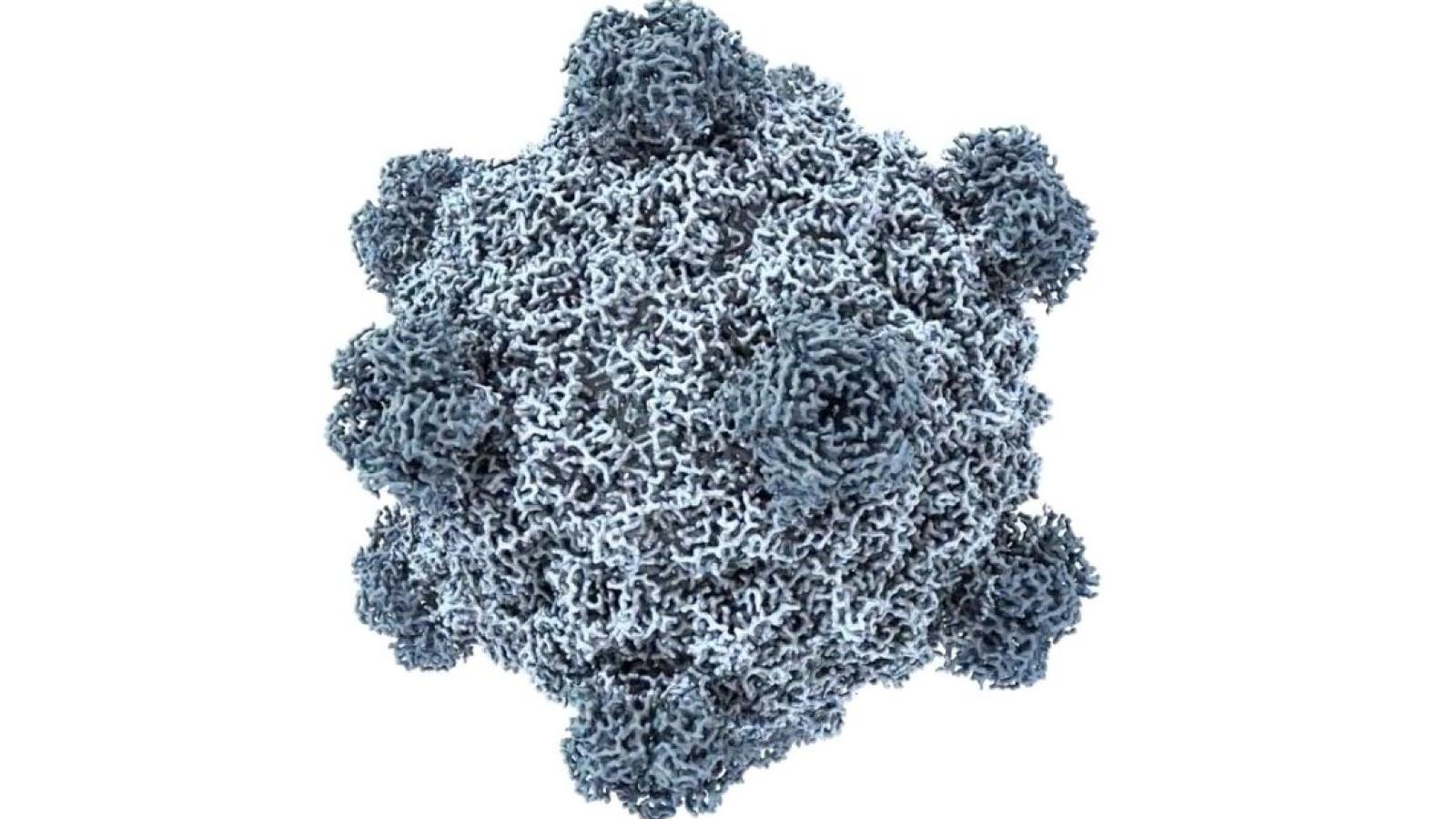
In recent weeks, artificial intelligence (AI) systems have demonstrated some alarming new capabilities: breaking out of confined environments, hacking into corporate systems, and even lying to humans. Now, an AI model has created a new virus for the first time—more precisely, an entire family of viruses.
According to a study published in the journal Science, researchers from Stanford University and other institutions successfully guided an AI model to design a set of simple viruses. The team claims these viruses only infect bacteria and do not pose a threat to humans. However, they caution that if the viruses were to mutate, the situation could change dramatically.
The researchers emphasize that the current design is strictly controlled and poses no immediate danger. Still, the breakthrough raises ethical and safety concerns about the potential misuse of AI in biological engineering. As AI becomes more capable of designing life forms, the need for robust oversight and international regulations grows more urgent.
This development highlights both the promise and peril of AI-driven scientific innovation. While such technology could accelerate medical breakthroughs, it also opens the door to biosecurity risks if not properly managed.
For full coverage on global economic trends and investment insights, VVIP members can unlock the complete report. Join the 'Hot Talk! Wall Street' LINE community to engage in deep discussions with industry elites (password: WSJWSJ).
FACT BOX
- Source: PR Times
- Category: News