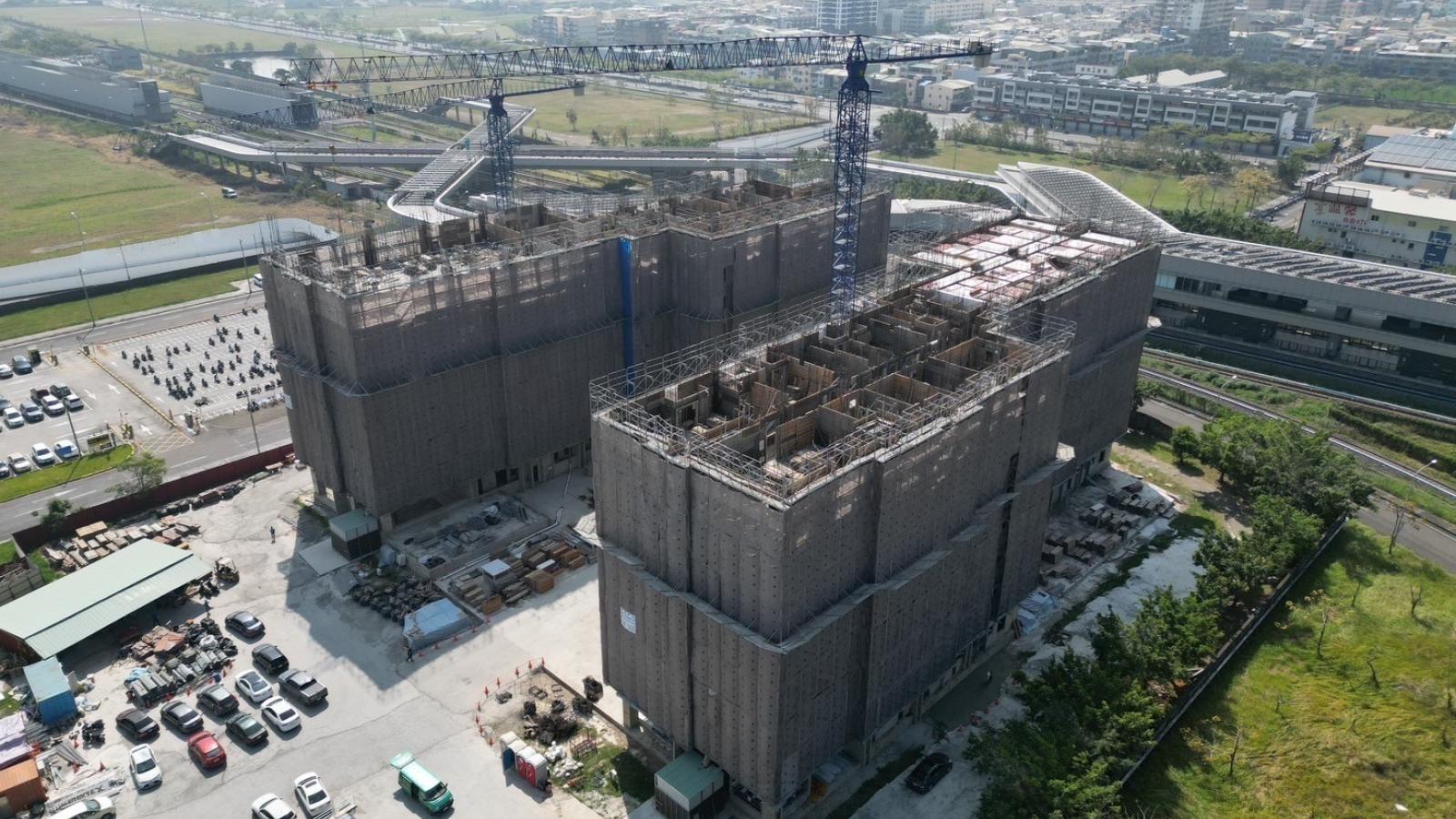
In 2016, former President Tsai Ing-wen announced a campaign promise to build 200,000 social housing units within eight years. However, due to the time-consuming nature of social housing construction, the Lai administration has pivoted its social housing policy, shifting instead to rental management and rental subsidies to achieve its 'One Million Renting Households Support Program.' Yet, Li Jiancheng, the major shareholder of the leading rental management company 'Zhaoji Wuguan,' has become embroiled in controversy over corporate bond fundraising. Leveraging the rental management policy, Zhaoji grew from a company with less than NT$10 million in capital to nearly NT$400 million, attracting investment from Acer. How was it able to raise hundreds of billions of TWD under the rental management policy?
Taiwan's rental management industry, like most social housing initiatives, was created from scratch after the Green camp came to power. The legal foundation—the 'Rental Housing Market Development and Management Act' (commonly known as the 'Rental Special Act')—was drafted in 2018 by Hua Jingqun, a close aide of Tsai Ing-wen and former Vice Minister of the Interior. During Tsai's campaign, she promised '200,000 units in 8 years,' with the initial policy plan calling for 120,000 social housing units and 80,000 rental management units. However, given the prolonged construction of social housing, rental management became the Democratic Progressive Party's best tool to 'deliver numbers' under its social housing policy.
FACT BOX
- Source: PR Times
- Category: News