Previously, mucopolysaccharidosis (MPS) was diagnosed at an average age of 4.3 years. Today (13th), Mackay Children's Hospital announced that after a decade of research, its team has proven diagnosis can be advanced to just 0.2 years old. This breakthrough allows early intervention—such as enzyme replacement therapy (ERT) or hematopoietic stem cell transplantation (HSCT)—before mucopolysaccharide accumulation causes irreversible damage to bones, organs, or even cognitive function. The findings have been published in the prestigious international medical journal Genetics in Medicine in July this year.
Since 2015, Mackay Children's Hospital's research team has launched a large-scale nationwide collaboration with Taipei Institute of Pathology (TIP) and the Foundation of Health Care for Taiwan (CFOH), integrating MPS testing into newborn screening as an optional item. Parents voluntarily choose whether to participate. Over 10 years, 838,585 newborns across Taiwan have been screened, with 31 MPS cases diagnosed before clinical symptoms appeared—significantly advancing diagnosis timing and accelerating early treatment opportunities.
Xiaobao (pseudonym) is one such case identified early through screening. Dr. Hsiang-Yu Lin, Principal Investigator and Director of the International Center for Rare Diseases at Mackay Children's Hospital, explained that Xiaobao was flagged with an abnormal result in newborn screening at one month old and referred to Mackay for further diagnosis. At three months old, Xiaobao was confirmed with MPS Type II, carrying a severe gene deletion mutation. The medical team immediately initiated enzyme replacement therapy, followed by hematopoietic stem cell transplantation at 10 months old. Post-treatment monitoring showed the disease-causing gene levels dropped below detectable limits. Continuous follow-up has since confirmed stable health. Now six years old, Xiaobao is in good health and will enter elementary school next year.
Dr. Wen-Han Chang, Superintendent of Mackay Memorial Hospital, emphasized the hospital’s long-standing commitment to rare and critical disease care. While rare diseases have low incidence, their impact on affected children and families is profound. Through cross-disciplinary collaboration, Mackay has developed a globally leading model for newborn screening and precision diagnosis—benefiting the entire population and marking a major milestone for Taiwan's healthcare.
Dr. Lin stated that Xiaobao’s case proves ultra-early intervention via newborn screening can enable children with rare diseases to live normal lives. The golden window for MPS treatment is before age 2.5. Prior to including MPS in newborn screening, early clinical symptoms were often subtle, leading to delayed diagnosis only after symptoms emerged—resulting in an average diagnosis age of 4.3 years. By then, irreversible damage to the brain, bones, and organs had already occurred, making treatment far more challenging.
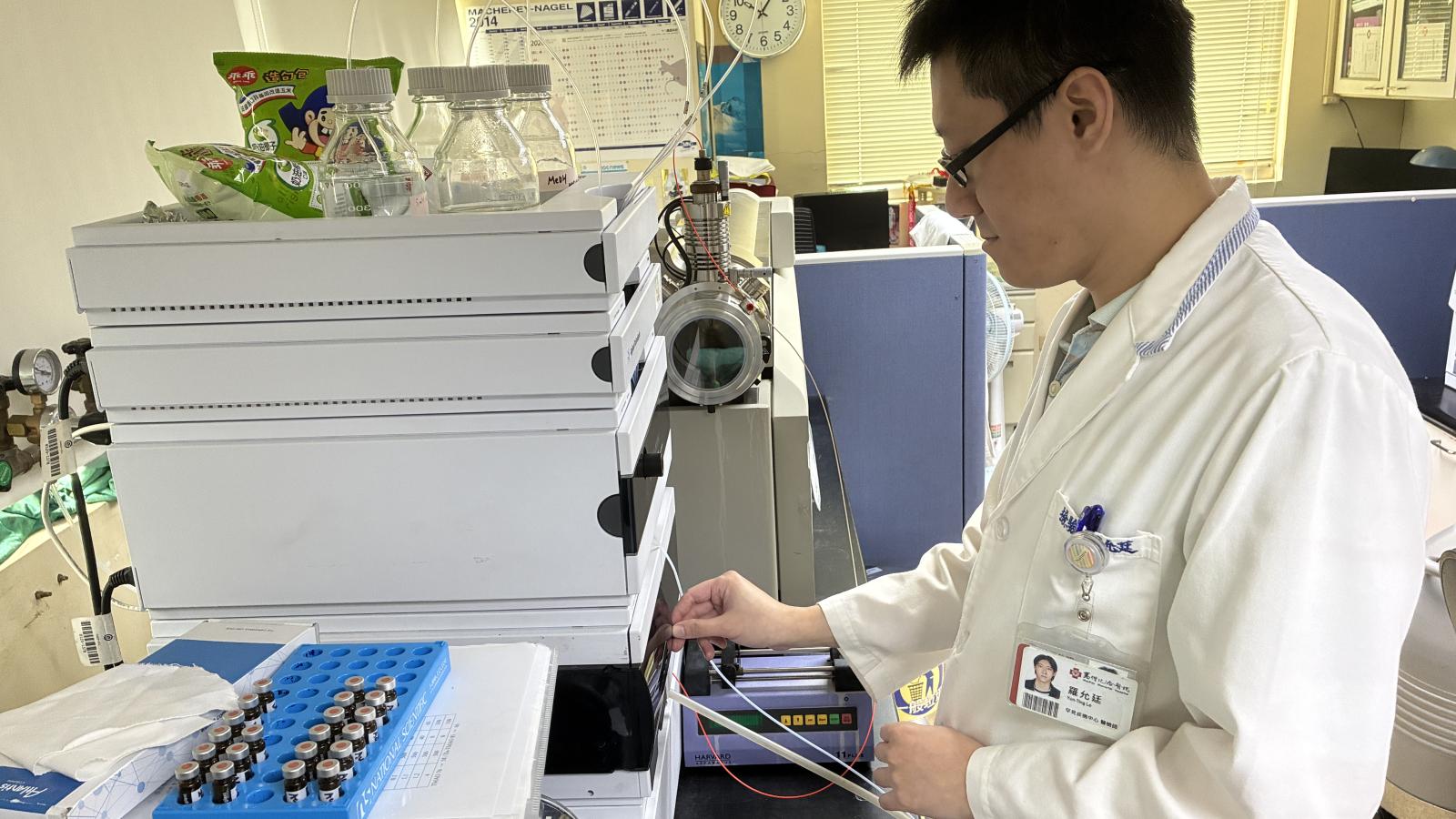
This decade-long nationwide study by Mackay Children's Hospital has established the world’s largest and most comprehensive newborn screening program for MPS (Types 1, 2, 4A, and 6). From August 2015 to March 31, 2025, 838,585 newborns in Taiwan were screened using a sophisticated multi-tiered approach: initial heel-prick blood spot testing, followed by enzyme activity assays, urinary glycosaminoglycan (GAG) analysis, and molecular genetic mutation identification. Diagnosis required meeting all three criteria: extremely low enzyme activity, abnormal urine results, and confirmed pathogenic gene mutations—establishing a precise diagnostic standard for MPS.
Of the 437 infants flagged with abnormal initial screening results, 7 were ultimately diagnosed with MPS Type I, 14 with Type II, and 10 with Type 4A. To prevent misdiagnosis of pseudo-deficiencies or false positives, the team implemented a systematic follow-up protocol, monitoring 17 infants with initial abnormalities at 6 and 12 months. All follow-up results were normal.
This academic achievement far surpasses ongoing pilot programs in Europe, the U.S., Japan, and South Korea, solidifying Taiwan’s global leadership in newborn MPS screening and treatment. The model enhances early detection accuracy and therapeutic capacity, improving developmental and neurocognitive outcomes. Dr. Lin urges parents to enroll their newborns in the National Health Agency’s screening program, utilizing government-supported safeguards to build a strong health foundation. As MPS screening remains an optional add-on, many parents remain unaware. Given that congenital metabolic disorders often show no obvious symptoms in infancy, the condition is frequently overlooked. He recommends consulting healthcare providers to ensure the most comprehensive protection for babies.
FACT BOX
- Source: PR Times
- Category: 研究