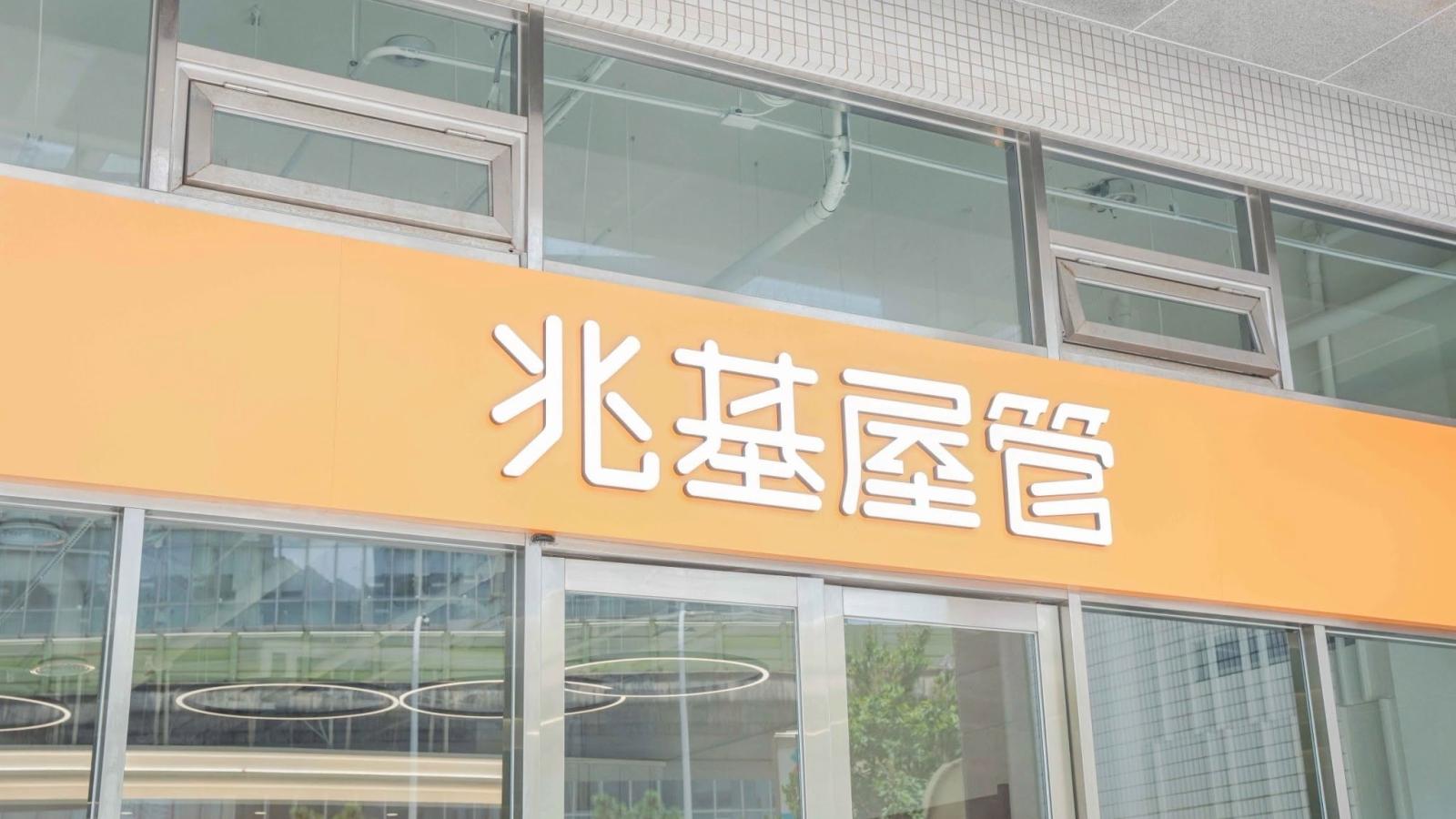
'Zhaoji Housing Management' major shareholder Li Chien-cheng is suspected of illegally raising funds through corporate bond issuance. On the 10th, the Interior Ministry’s Housing and Urban Development Center announced that thousands of rental management contracts managed by its subsidiary 'Crab Property Management' would now be serviced by other rental service providers.
On the afternoon of the 13th, the Interior Ministry held a departmental meeting to discuss improvements to the rental management system. In the short term, the ministry plans to strengthen inspections of rental management operators and assist tenants currently served by Crab Property Management in transitioning to alternative providers. Additionally, in response to widespread criticism that the current maximum business guarantee deposit of 5 million TWD is insufficient to protect against defaults by large operators, the ministry will consider raising the deposit cap.
Lin Chia-cheng, Director-General of the Interior Ministry's Land Administration Division, stated that four improvement measures are being considered to prevent recurrence of incidents like the Zhaoji case. First, inspections of rental management operators will be strengthened. Previously, local city and county governments inspected compliance with rental agreements and the presence of qualified personnel under the Rental Act. However, following this incident, additional inspection items will be added, including the number of active rental cases an operator is managing and whether deposits and security payments collected from tenants are properly recorded.
Second, the Housing and Urban Development Center has already initiated transition support for thousands of Crab Property Management tenants. While this initially focused on social housing rental management, the ministry recognizes that general rental management tenants also require assistance and has requested other rental management operators to prepare transition plans.
Third, the ministry will review whether to increase the business guarantee deposit cap. According to Lin, rental operators are required to contribute to a business guarantee fund calculated based on the number of contracted cases. These funds are pooled and held by the national rental services association (Union of Rental Service Associations) as compensation reserves for future lease disputes. Currently, the legal cap is set at 5 million TWD. However, concerns have been raised about whether this amount provides sufficient protection for larger operators. The ministry will consult with industry stakeholders to determine whether the cap should be raised.
Hua Jing-chun, Chairman of the Housing and Urban Development Center, reported that since the announcement of transition services for Crab Property Management contracts, over 1,300 landlords have submitted transfer applications. He emphasized, 'Although Zhaoji Group was the largest player in the rental management sector, Crab can no longer provide leasing services following this incident. However, nationwide, there are 90 rental management operators participating in the central government program across the six major cities and 133 in counties and municipalities. Even without Crab, the industry remains united and committed to continuing its efforts.'
Regarding whether the Zhaoji incident affects the government's goal of reaching 250,000 managed households by 2032, Liu Shih-fang stated, 'Taiwan's rental market comprises approximately one million households. The Interior Ministry has launched the 'One Million Household Rental Support Program,' aiming to grow rental management participation from the current 100,000 households to 250,000 by 2032. This goal will not significantly change due to the current incident. Over the next seven years, we will continue to make rolling adjustments based on market conditions. However, the overarching goal of one million households remains unchanged—it continues to guide our improvement efforts.'
FACT BOX
- Source: PR Times
- Category: News