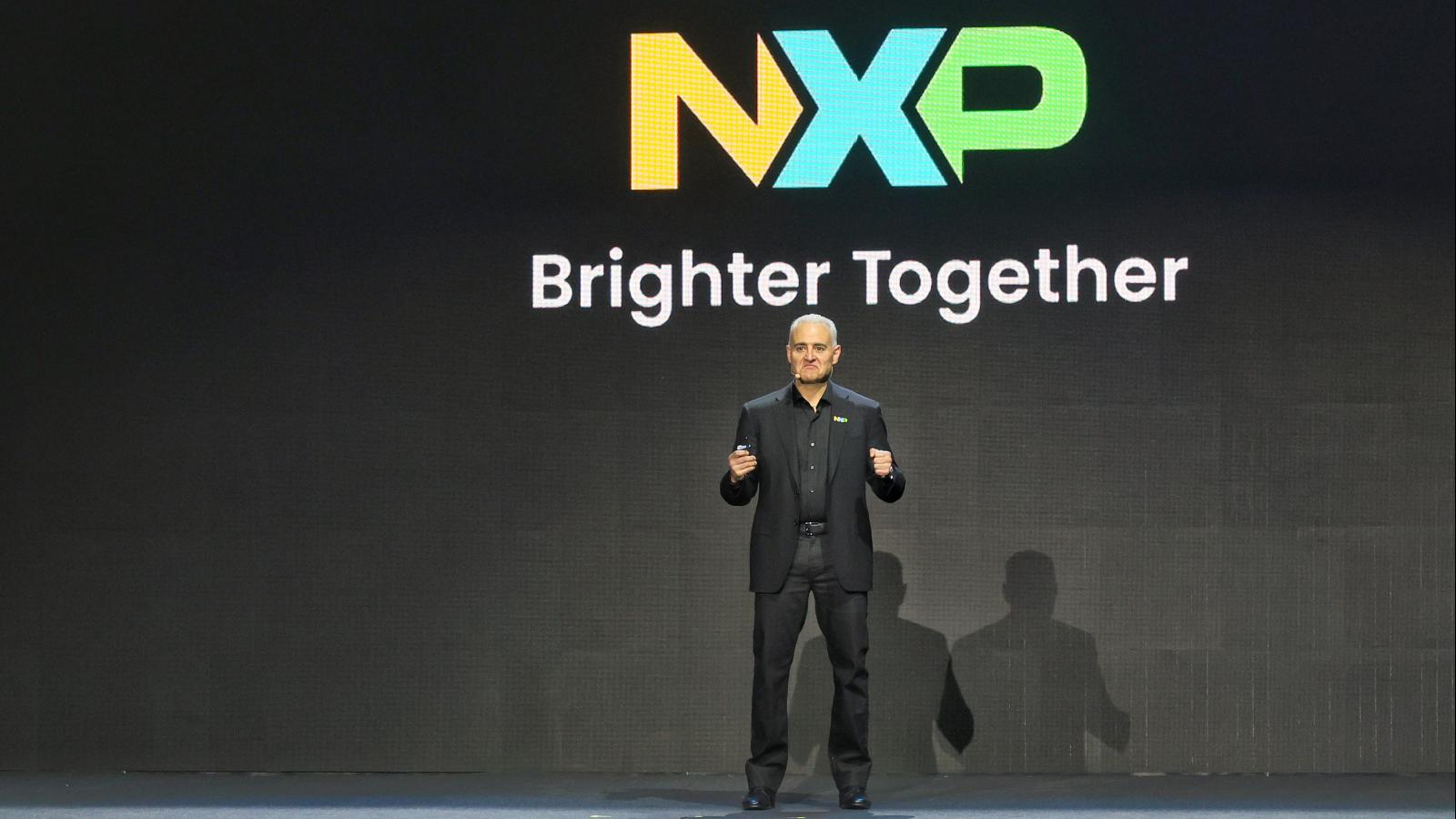
NXP Semiconductors (NASDAQ: NXPI) continues to expand its global semiconductor manufacturing footprint. The company announced today that construction has officially begun on the expansion of its packaging and testing plant in Petaling Jaya, Malaysia. The new facility will add approximately 500,000 square feet of production space, with mass production expected to begin in the first quarter of 2028. Once fully operational, the site's total output is expected to more than double.
Notably, this new backend capacity will also support the growth of NXP's overall manufacturing ecosystem, including the expected output from its joint ventures, VSMC in Singapore and ESMC in Germany. This demonstrates that while NXP is expanding its front-end wafer manufacturing, it is simultaneously strengthening its backend packaging and testing capabilities.
The new facility is not being built on a new site but is an expansion of NXP's existing packaging and testing base in Petaling Jaya. The current plant primarily handles the packaging and testing of NXP's wide range of products. The new facility will add approximately 500,000 square feet of production space, increasing the total production space from the current approximately 400,000 square feet to approximately 900,000 square feet upon completion.
According to NXP's plans, the new facility is expected to gradually ramp up production in the first quarter of 2028. Once fully operational, the total output of the Petaling Jaya plant is expected to more than double. Beyond simply increasing backend capacity, the significance of this expansion lies in NXP's integration of its Malaysian packaging and testing base with its expanding front-end wafer manufacturing footprint.
Front-end wafer capacity expansion, with Malaysia's packaging and testing in sync
NXP pointed out that the new packaging and testing capacity will support the future growth of its overall manufacturing ecosystem, including the expected output from its joint ventures, VSMC in Singapore and ESMC in Germany.
In other words, as NXP expands its front-end wafer manufacturing capacity through joint ventures, it is also increasing its internal backend packaging and testing capacity to meet the expected growth in overall manufacturing scale. However, NXP did not provide further details on the actual product flow between the wafer output of VSMC and ESMC and the Malaysian packaging and testing plant. Therefore, the more precise positioning at this stage is that the new backend capacity will support the expansion of the overall manufacturing ecosystem.
Among them, VSMC is a wafer manufacturing joint venture between NXP and GlobalFoundries in Singapore; ESMC is located in Dresden, Germany, and is also part of NXP's global manufacturing layout. As these two front-end manufacturing hubs continue to progress, the expansion plan for Petaling Jaya will strengthen NXP's internal packaging and testing capabilities, further expanding the layout of front-end and back-end manufacturing capacity.
The new plant will introduce AMHS (Automated Material Handling Systems) and advanced quality control technologies to improve the degree of manufacturing automation and operational efficiency.
For backend semiconductor manufacturing, as production scales expand, automated material handling can reduce dependence on manual handling between different process stations and improve the consistency of the production process. NXP did not disclose the actual equipment investment amount or the product mix of the new capacity, but given that the new plant area exceeds the existing production space and the total output is expected to more than double after full load, the scale of this expansion is clearly higher than general production line additions.
Andy Micallef, Executive Vice President and Head of Operations and Manufacturing at NXP Semiconductors, said, "For decades, Malaysia, with its strong semiconductor ecosystem and excellent talent base, has been an important part of NXP's global manufacturing footprint."
He further pointed out that this expansion will increase packaging and testing capacity on top of the existing foundation, "while through operational diversification, strengthening the resilience and flexibility of the supply chain for global customers."
Adopting a 'hybrid manufacturing' strategy to strengthen internal capacity and regional diversification
From the perspective of NXP's overall manufacturing strategy, another key point of Malaysia's expansion is to increase its control over backend manufacturing capacity. NXP regards the expansion of internal packaging and testing capabilities as an important part of its 'hybrid manufacturing strategy,' aiming to improve manufacturing flexibility, supply chain control capabilities, and regional diversification through different manufacturing models and production location configurations. After the expansion of the Petaling Jaya base is completed, it will also complement NXP's existing packaging and testing operations in the Greater China region and Thailand, forming a more dispersed global backend manufacturing network.
This also makes the significance of this investment not just about 'doubling Malaysia's capacity.' On the one hand, NXP increases its control over key backend capacity by expanding its internal packaging and testing capabilities. On the other hand, front-end wafer manufacturing is combined with joint venture layouts such as VSMC and ESMC, forming a production structure with different regions and manufacturing models operating in parallel.
Malaysia itself has been an operating base for NXP for over half a century. NXP has been present in the country since 1972 and has now positioned Malaysia as a key hub in its global supply chain. In addition to continuously increasing its manufacturing capabilities, it is also collaborating with local universities to invest in engineering education and research programs, aiming to cultivate the next generation of semiconductor engineering talent.
NXP's main product applications cover markets such as automotive, industrial and IoT, mobile devices, and communication infrastructure. The company currently has business operations in over 30 countries worldwide, with annual revenue for 2025 reaching $12.27 billion. As the front-end manufacturing layouts of VSMC, ESMC, and others continue to progress, the further expansion of the Malaysian packaging and testing base will further strengthen NXP's global manufacturing network from wafer manufacturing to backend packaging and testing.
FACT BOX
- Source: PR Times
- Category: Event
- Organizations: VSMC / ESMC