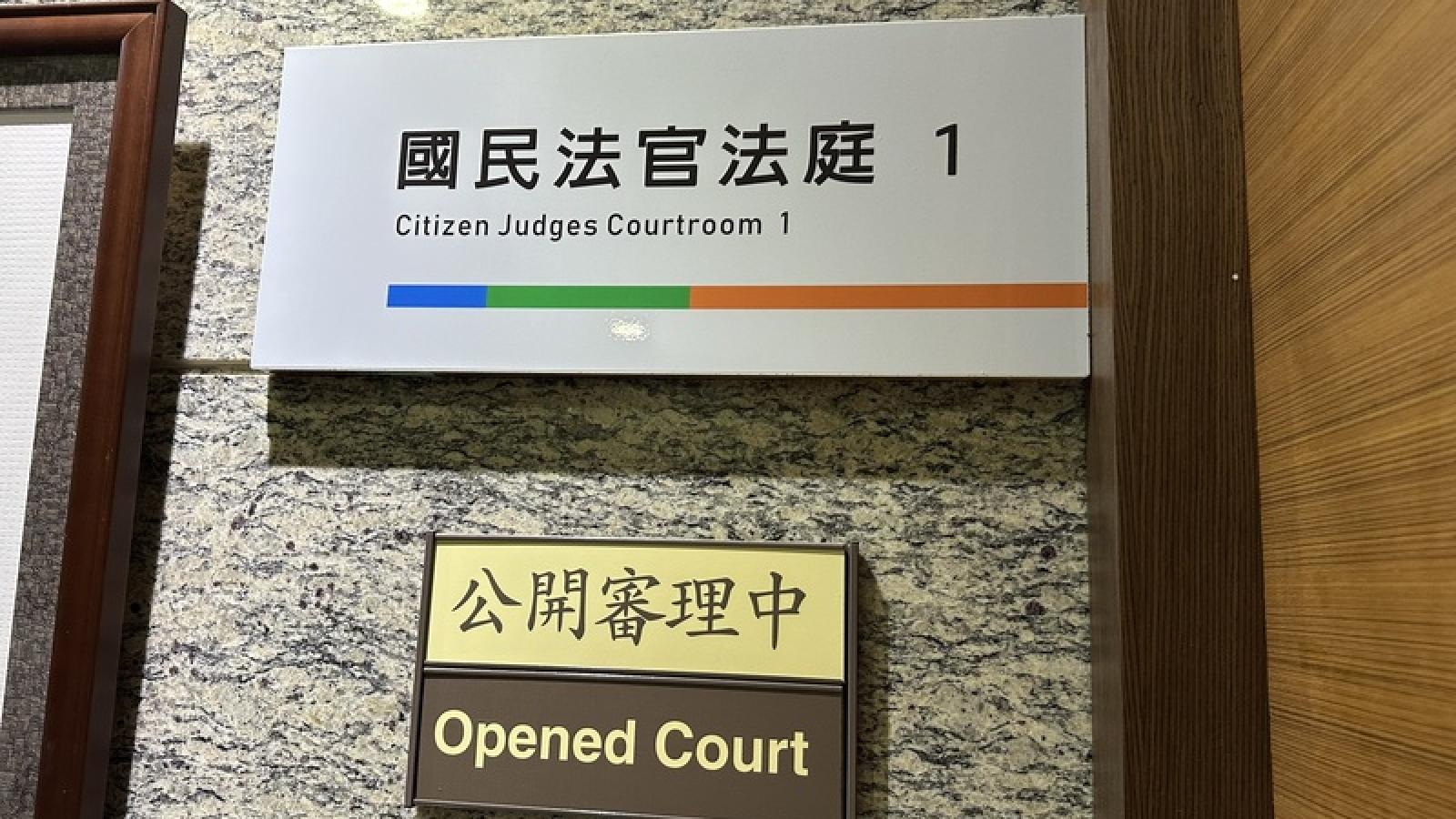
In early August, the Tainan City Department of Education partnered with Tainan District Court to bring teachers and students from Nanning High School into the courthouse for a scenario-based educational program titled 'Walking Through the Court.' I believe this experiential activity is far more impactful than traditional classroom lectures on legal statutes, as such real-life experiences tend to leave a deeper impression on students than mere textbook definitions.
When Legal Education Enters the Real Courtroom
Our current education system is overly accustomed to pursuing singular, absolute correct answers. This culture manifests in students' learning behaviors—when students grow used to seeking only one right answer, they may gradually prioritize getting the answer right over genuine understanding. Over time, what we should truly worry about may not be whether children can solve problems, but whether they still wish to ask questions and how much curiosity they retain.
Previously, legal education in schools often devolved into merely listing 'what not to do,' without giving students the chance to explore deeper: 'Why are laws written this way?' This court visit provided students with an opportunity to observe and question independently, cultivating empathy and moral awareness alongside legal knowledge.
Is Our Education Too Focused on Preaching and Too Little on Real Experience?
During this court visit, anti-bribery election advocacy was also integrated. In the past, many schools' clean election campaigns have been reduced to slogan-based moral exhortations—shouting slogans, taking photos for documentation, and concluding routine speeches—leaving students unengaged, as these rules feel disconnected from their daily lives. It's no surprise students show little interest.
In truth, our educational environment is already saturated with various campaigns. Annual anti-bullying, air quality, traffic safety, food and agriculture education, hygiene, earthquake preparedness, dental health, and HIV/AIDS awareness campaigns occupy significant teaching time. But after the campaign ends, what then? In this rare cross-sector collaboration, students stepped into the courtroom—a symbol of fairness and justice—to understand the importance of institutions and why vote-buying undermines democracy. This hands-on experience proved far more effective than any lecture.
A Legal Lesson Held Inside the Courtroom
As Confucius once said, 'Govern by laws and align through punishment, and people will avoid wrongdoing but feel no shame. Govern by virtue and align through ritual, and people will have a sense of shame and self-discipline.' When the court opens its doors and allows students into a judicial space they rarely access, abstract legal concepts from textbooks come alive. These firsthand experiences deepen students' understanding of law and truly embed legal education into daily life.
More importantly, it prompts us to reconsider: Should Taiwan's legal education shift from mere advocacy toward more experiential learning? Perhaps what we truly need is not another campaign, but fewer slogans and more opportunities for children to enter real society and understand public institutions. A citizen who understands the rule of law knows why laws deserve respect and learns to respect others and uphold their rights within the system. This may be the most meaningful legacy of 'Walking Through the Court'—a gentle yet powerful educational model.
*Author is an elementary school teacher
FACT BOX
- Source: PR Times
- Category: Event