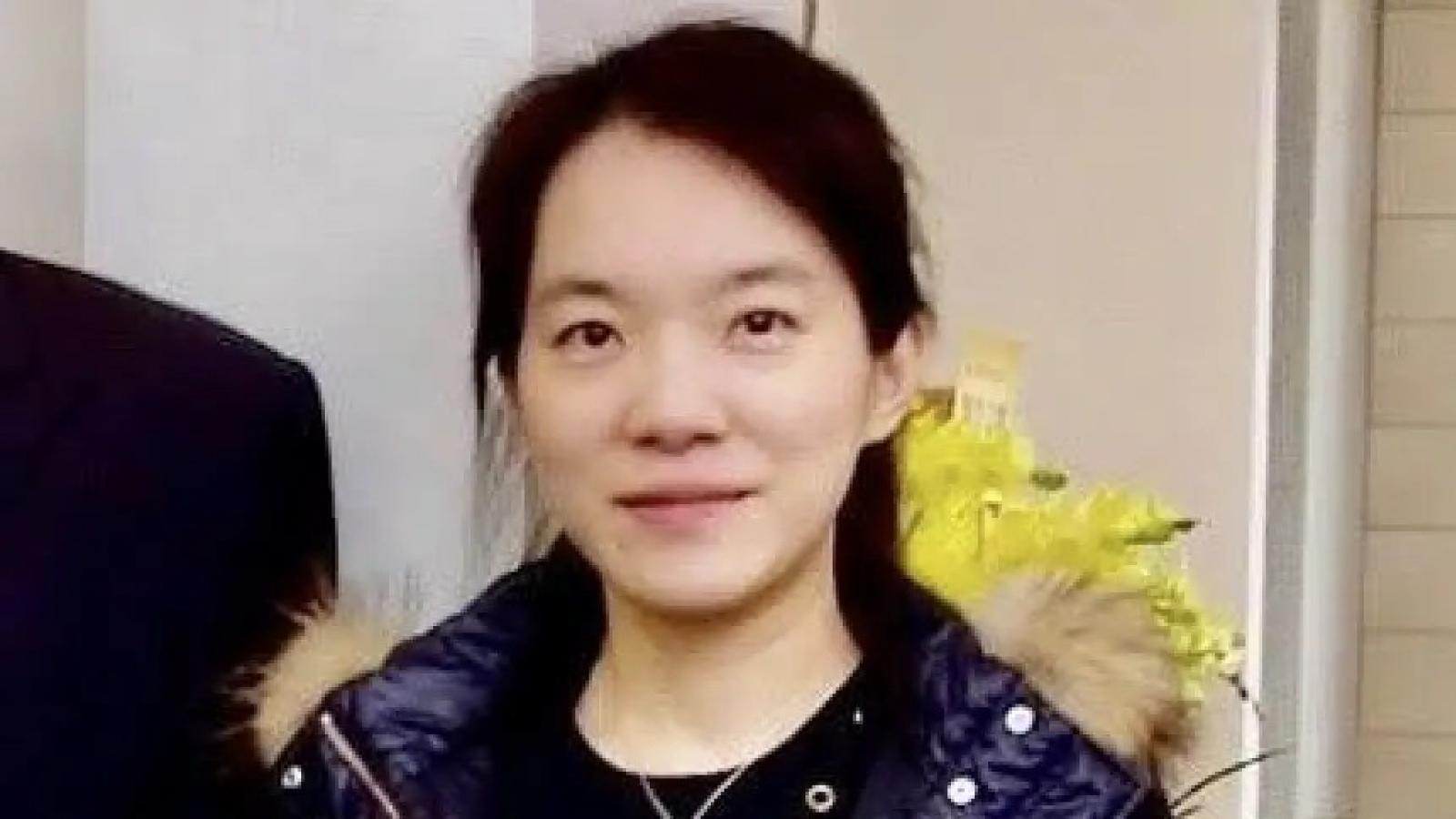
Chen Hsing-yu, daughter of former President Chen Shui-bian, recently posted a comment on Google Reviews revealing she has divorced her husband, Chao Chien-ming. The statement quickly sparked public discussion, and she subsequently provided further details about financial arrangements during their marriage. She disclosed that she had previously purchased a property under her own name and allowed Chao Chien-ming to use it as a clinic space. Later, she gifted the property to him. However, after the marriage ended, she discovered that she was still liable for the mortgage, which amounts to a staggering NT$60 million. This has drawn significant attention to the couple’s property arrangements. In response, lawyer Lai Ying-chen posted on Facebook, explaining that Chen could have completely avoided this burden by using either a 'burdened gift' or 'conditional gift' arrangement, stating, 'This was entirely preventable!'
Chen Hsing-yu (right) provided a property purchased under her name for Chao Chien-ming (left) to use as a clinic, but now bears the NT$60 million loan alone after their divorce. (Photo: New Talk News)
Property gifted to ex-husband, but loan liability remains—Chen expresses regret
Chen explained that although she transferred ownership of the clinic property to Chao, a change in property title does not automatically transfer the bank loan debt to the recipient. Therefore, the mortgage originally taken out under her name remains her responsibility. She further expressed regret, noting that assets gifted during marriage are still subject to legal provisions regarding property distribution upon divorce, meaning they cannot simply be reclaimed after separation. She publicly shared her experience as a cautionary tale to prevent others from repeating her mistake.
Since property ownership and loan liability are separate legal matters, even if the property is registered under Chao’s name, the original borrower remains legally responsible to the bank unless the bank formally approves a change in the loan agreement. Chen emphasized that even after the marriage ended, she must still monitor whether the loan payments are being made on time to avoid any negative impact on her credit and financial standing. She expressed strong regret over her past decision and urged the public to exercise greater caution when handling marital property matters.
Lawyer suggests 'burdened gift'—attaching obligations when gifting property
Lawyer Lai Ying-chen analyzed the case on her Facebook page 'Attorney Lai Ying-chen,' pointing out that when gifting high-value assets to a spouse, using a 'burdened gift' arrangement can provide additional protection. This means clearly stipulating in the gift contract that the recipient must fulfill specific obligations. For example, the party receiving the property could be required to cover certain expenses or assume family support responsibilities. This prevents a situation where only ownership is transferred without addressing debt or other responsibilities, thereby reducing the risk of future disputes.
Lai also mentioned the concept of a 'conditional gift,' where parties can set conditions in the contract based on real-life circumstances. For instance, they could pre-define how assets should be handled if the marriage undergoes a major change. However, the legal validity and enforceability of such clauses depend on the specifics of each case and applicable laws. Using Chen’s case as an example, Lai emphasized that couples often don’t anticipate relationship breakdowns when they are in a good relationship. Yet, because real estate involves large sums and long-term debt, clearly documenting rights and responsibilities before gifting can significantly reduce the cost of resolving property disputes in the future.
FACT BOX
- Source: PR Times
- Category: News