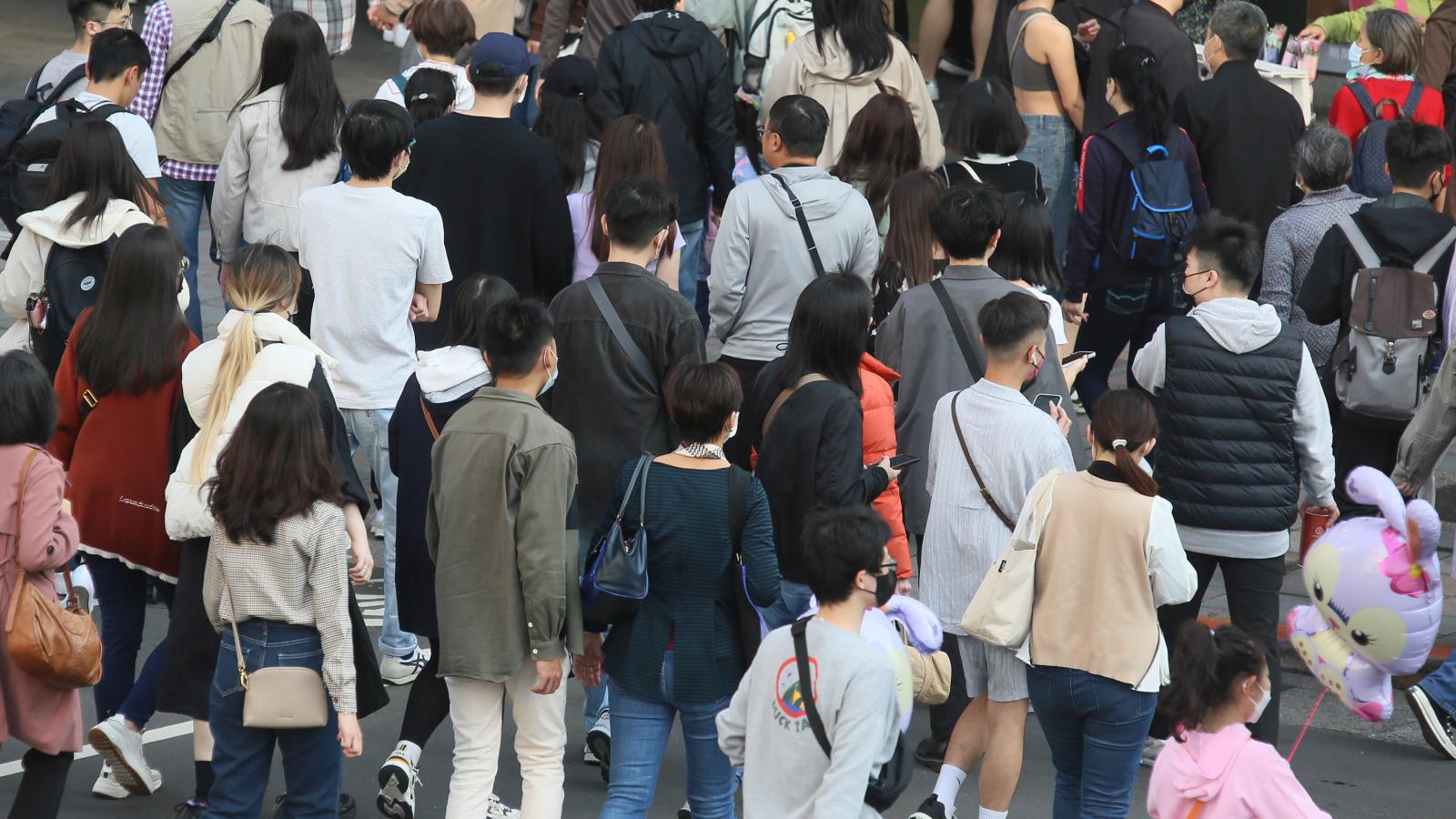
Taiwan's wage levels are continuously rising. According to the Directorate-General of Budget, Accounting and Statistics, the average regular wage for all employed workers in March 2026 is 48,768 NTD, approaching 50,000 NTD, a 2.6% increase from the previous year. However, the median wage, which better reflects the actual wage levels of most workers, is 39,220 NTD. In response, KMT legislator Wu Zongxian today (14th) posted on Facebook with the title 'Stop using the average wage of 49,000 to deceive the people!' warning the Lai Qingde government not to use the average wage to deceive the people about the economy, as 70% of workers (about 6 million people) actually do not receive such wages. 'What the people want is not a beautiful GDP; what the people want is to live a good life!'
What is the average wage in Taiwan? The median wage is about 10,000 NTD lower Reviewing the overall wage data for all employed workers in 2025 as follows: Monthly average regular wage: 47,884 NTD, up 3.09% year-on-year Median regular wage: 38,406 NTD, up 3.03% year-on-year Annual total wage average: 766,320 NTD However, if we only look at full-time employed workers of Taiwanese nationality, the monthly average regular wage in 2025 reached 56,430 NTD, and the annual total wage average even reached 806,448 NTD. In other words, if we look at the regular wages of all employed workers, it is already approaching 50,000 NTD; however, with the recent surge in prices, and the fact that the median wage, which most workers actually receive, still has a gap of about 10,000 NTD, the issue of wages and economic growth 'workers feel nothing' continues to be a topic of discussion.
How many people in Taiwan do not receive the average wage? 'The numbers are beautiful, but the stomach is empty!' Wu Zongxian pointed out in the post that the government claims that the GDP growth rate in the first half of the year was 13.7% and the average wage was close to 49,000 NTD, both reaching new highs. However, what people look at in their daily lives is the price of bento and vegetables, not the cold GDP data. He also listed the cost of three meals a day, egg pancakes, milk tea, bento, meat dishes, gas, eggs, pork, and other items have all increased, as well as rent, water, electricity, tuition, medical expenses, etc. The wage increase and 'how much wages can buy' are different, and this is what people truly care about in their lives. He mentioned that for 70% of people who do not receive the average wage, the Directorate-General of Budget, Accounting and Statistics stated that the proportion of foreign workers and part-time workers below the average wage group has increased, and he cannot accept such an explanation.
Which industry in Taiwan makes the most money? Wu Zongxian questioned whether part-time workers do not need to pay rent or raise children? The government should solve why GDP is soaring, but many people's wages still cannot support their lives. In fact, not only do the people feel nothing, but the Economist also pointed out that Taiwan's economy is showing obvious polarization, that is, semiconductor and AI exports are strong, but other industries have declined by 40% in recent years. Most employment in Taiwan, which relies on small and medium-sized enterprises, is facing difficulties in traditional industries. He said that the vast majority of Taiwanese are not the new aristocrats of the technology industry. The technology industry is good and the stock market is at a new high, which does not mean that all industries and family incomes are good. GDP growth cannot cover the pressure of the grassroots. Small and medium-sized enterprises, traditional industries, and service industries support the income of millions of families.
Wu Zongxian urged that what the government should do is to let the fruits of economic growth come out of the science parks and the stock market, so that every hardworking person can share them. The government's most basic responsibility is to let hardworking Taiwanese people be able to support their families, pay for their living expenses, and save a little money to feel secure. He criticized that the Lai government is now only looking at economic numbers, not seeing the suffering of the people; only looking at the average, not seeing the wages of 70% of the people; only looking at economic growth, but not seeing the pressure of people's lives. At the end, Wu Zongxian proposed two suggestions as follows: Put resources to support small and medium-sized enterprises, traditional industries, and service industries: Let the 80% of people struggling at the grassroots also truly share the economic benefits. Put the living costs of the common people down: Stabilize rent, water, electricity, and living expenses, and fulfill Lai's presidential election promise of public housing.
More exclusive insider information from Wind Media: ・Will the tax exemption for Taiwan stock day trading be abolished? Engineers expose the 'culprit' of Taiwan's low wages: 5% wealth tax cannot solve the K-type economic dilemma ・How much can you get if you don't take your paid leave? A lazy person's package for workers' wages and leave regulations Calculate the highest overtime pay in 'this period' ・What is the progress of the 160,000 NTD face value of the National Travel Card? The latest response from the Personnel Office is exposed Applicable objects and scope are revealed at once
FACT BOX
- Source: PR Times
- Category: 调查