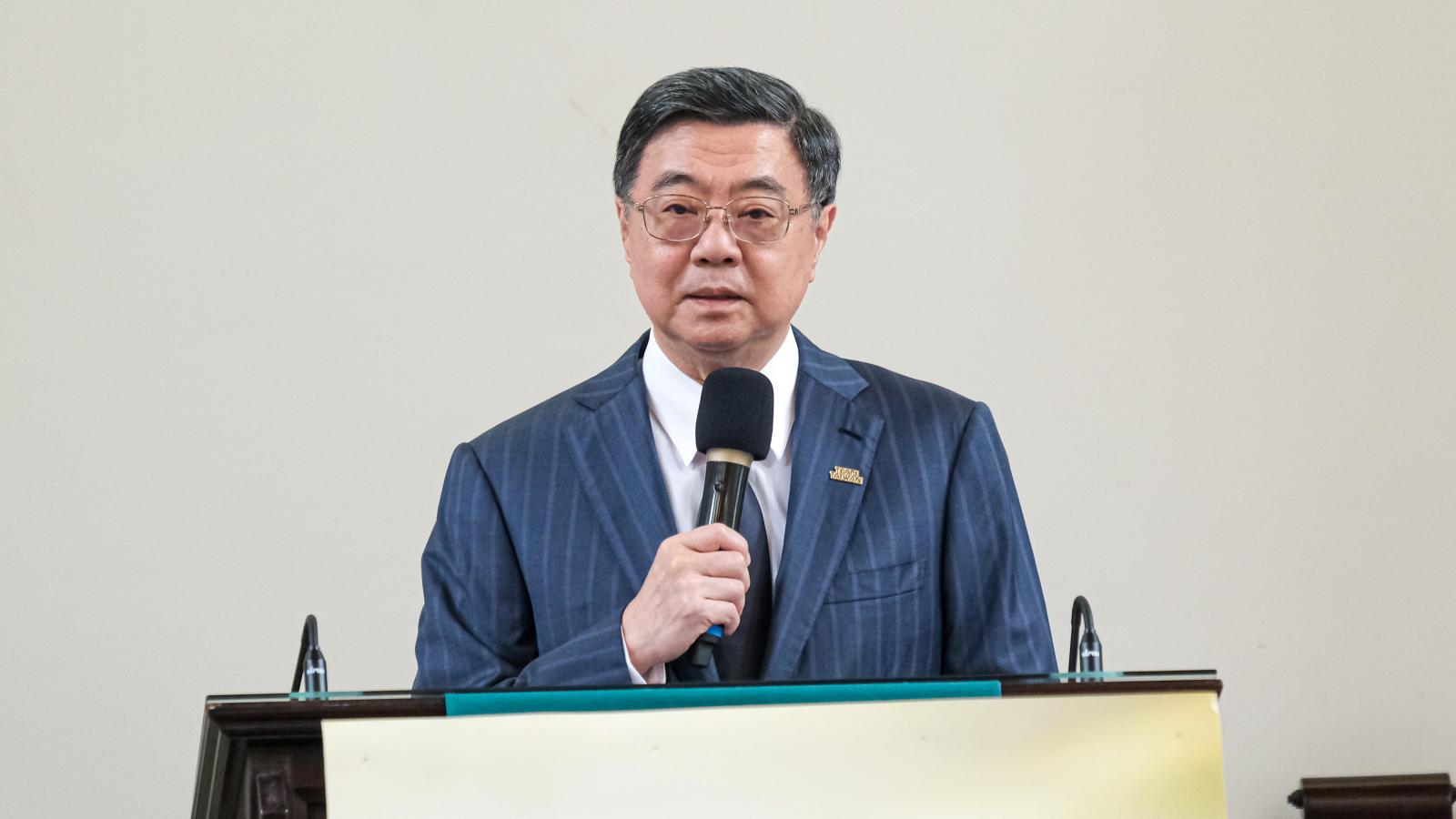
On the 14th, Taiwan's Legislative Yuan passed the central government budget for fiscal year 2026 on third reading. However, Premier Cho Jung-tai did not follow precedent by visiting the legislature to express gratitude. Subsequently, the Executive Yuan listed seven items it deemed unreasonably cut or frozen, warning that such decisions could disrupt government operations. The Kuomintang (KMT) strongly criticized the administration on the 15th, accusing it of disregarding the opposition's goodwill and intensifying political confrontation.
How much was cut from the total budget?
The original 2026 central government budget was set at approximately NT$3.035 trillion in expenditures. After negotiations between ruling and opposition parties and voting in the plenary session, NT$48 billion was cut, leaving expenditures at approximately NT$2.9869 trillion—a reduction rate of about 1.689%. The KMT argues that the budget process, which reduced over 1,700 initial proposals to just dozens through negotiation, ultimately preserved over 98% of expenditure items, demonstrating maximum goodwill to ensure normal government operations and prevent national stagnation.
The Executive Yuan holds a different view. Spokesperson Lee Hui-chih listed seven items it considers unreasonable cuts or freezes, including the complete elimination of the National Communications Commission's (NCC) basic administrative operating funds, significant reductions in policy promotion expenses, and impacts on disaster assessment, human rights, and transitional justice funding. Lee stated, 'The government can be supervised, policies can be scrutinized, and budgets can be reviewed,' but unreasonable cuts should not undermine government operations or the rights of frontline personnel.
How did the KMT respond to Premier Cho's absence from the legislature?
The KMT criticized Cho for breaking tradition by not visiting the Legislative Yuan after the budget's third reading. It further condemned the Executive Yuan for subsequently using the seven cited reasons to attack the opposition, calling the administration's attitude 'courteous at first, arrogant later' and accusing it of 'burning bridges after crossing the river.' The KMT stated this was not an appropriate response to inter-party disagreements and accused the Executive Yuan of not valuing the goodwill shown by the opposition, missing an opportunity for reconciliation and instead escalating political confrontation.
How can the legislative-executive deadlock be resolved?
The KMT pointed out that Legislative Yuan Speaker Han Kuo-yu has called for both sides to compromise, urging the Executive Yuan to respect the legislature's third reading results and to co-sign and implement them as required by law. The KMT urged the Lai administration to respond positively if it truly seeks to resolve the political impasse.
The KMT also identified the jointly promoted 'Taiwan Children and Youth Growth and Future Account Act' by the blue and white camps as the first litmus test. Since the bill has already passed third reading, Cho should legally co-sign and implement it without further delay. Otherwise, it would confirm The Economist's harsh criticism of President Lai Ching-te for being 'stubborn' and unwilling to negotiate or compromise with the opposition. The KMT emphasized, 'This is the simplest and most fundamental step to resolve the constitutional deadlock.'
Additional exclusive reports from Feng Media: · 2026 Budget Passed in Third Reading! Control Yuan Budget Slashed by NT$110 Million; Premier Cho's Salary Frozen Until Year-End; Lai's Special Fund Canceled · NT$63.4 Billion Drone Budget Fully Approved! Ko Chih-en: 'Won't Let Drones Become DPP Election Propaganda Tools' · KMT Suddenly Approves Drone Budget; Defense Stocks Surge; Chen Hui-wen Calls for Investigation of Legislators: 'If Found Guilty of Stock Manipulation, Execute by Firing Squad'
FACT BOX
- Source: PR Times
- Category: News