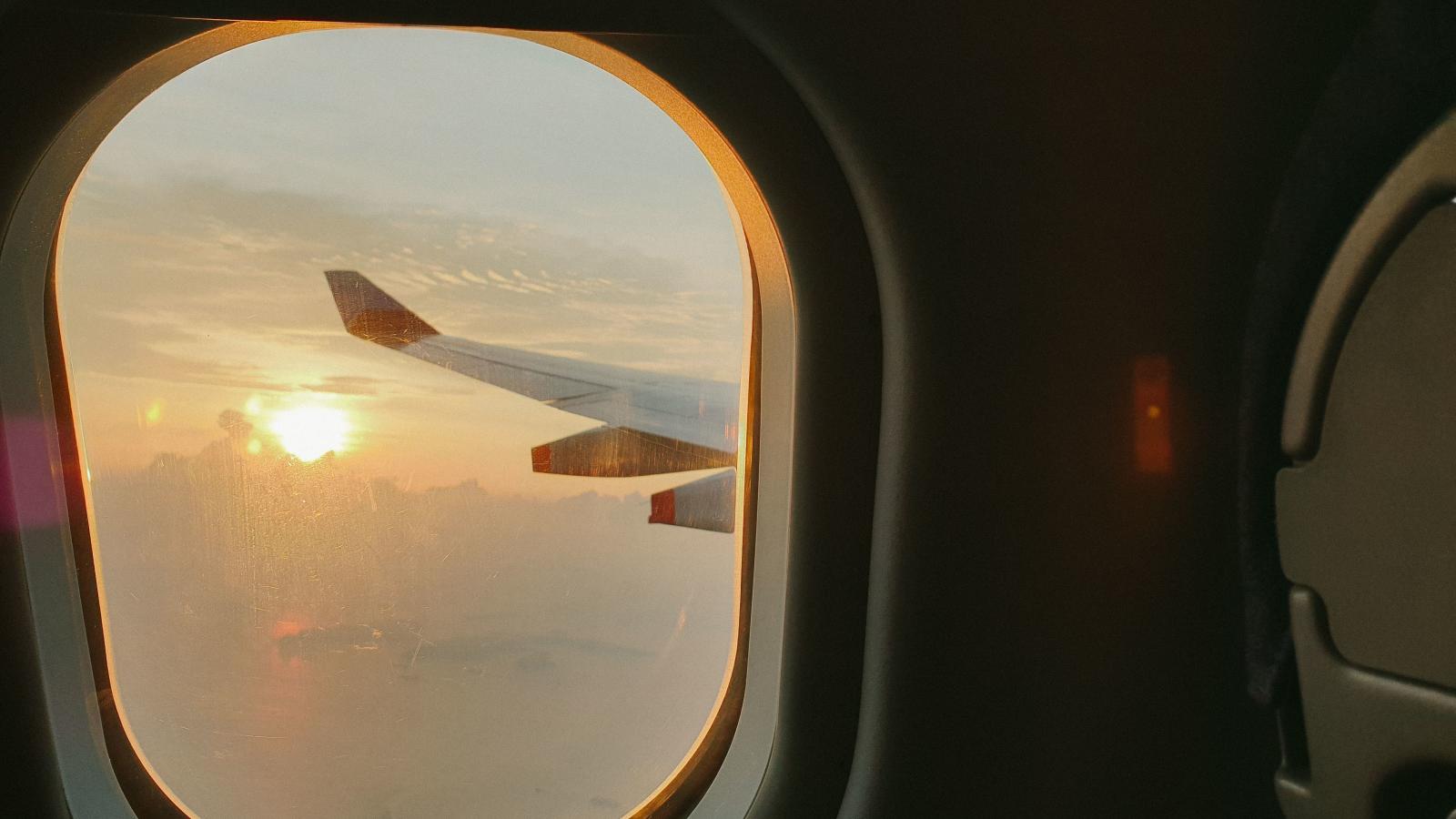
Many travelers enjoy choosing window seats to immerse themselves in the view of clouds and landscapes below, while others prefer to pull down the window shades immediately upon boarding to block sunlight and rest. However, every time an aircraft prepares for takeoff or landing, flight attendants patrol the cabin, gently reminding passengers: "Please open your window shades." Behind this rule lies a crucial safety consideration directly linked to the lives of everyone on board.
Why must window shades be open during takeoff and landing? Aviation experts reveal the "critical 90 seconds" and the truth behind flight safety.
According to a report by Travel+Leisure, Boeing's published statistics show that although cruising altitude accounts for most of a flight’s duration, only about 10% of fatal accidents occur during this phase. In contrast, the landing phase — which makes up a very small portion of the flight — sees a staggering 37% of fatal accidents. Takeoff, climb, approach, and landing are the most critical and high-risk stages of any flight.
During these phases, the aircraft is extremely close to the ground, leaving pilots with very limited reaction time in case of emergencies. Additionally, the ground environment includes complex variables such as buildings, other aircraft or vehicles on the runway, and changing weather conditions. This is why airlines enforce strict safety protocols during takeoff and landing.
Securing the Golden Rescue Window: Two Core Safety Reasons for Opening Window Shades
1. Eye Light Adaptation and the Golden 90-Second Evacuation
International aviation safety standards require that, in the event of an emergency, crew members must evacuate all passengers within "90 seconds." Keeping window shades open allows natural light into the cabin, helping both passengers and flight attendants adapt their eyes to outdoor lighting conditions in advance. In the event of an accident, everyone can evacuate immediately without wasting time adjusting their vision. During nighttime takeoffs or landings, cabin lights are deliberately dimmed for the same reason — to help eyes adapt to the dark environment outside.
2. Establishing Internal-External Situational Awareness
The visual connection between the aircraft interior and the outside world is vital. With shades open, flight attendants and passengers can continuously monitor external conditions — such as whether an engine is on fire, if there is debris on the wing, or the nature of the surrounding terrain (e.g., water). This helps determine whether it is safe to open emergency exits. At the same time, first responders on the ground can directly observe the cabin’s interior through the windows, enabling them to formulate the most effective rescue strategy.
Compliance Is the Only Rule: Refusal May Result in Heavy Fines
While opening or closing window shades during stable cruising is largely a matter of personal preference and social etiquette for window-seat passengers, during takeoff and landing, this rule carries non-negotiable legal weight. According to the U.S. Federal Aviation Administration (FAA) and international civil aviation regulations, passengers are obligated to follow all safety instructions from crew members. Refusing to comply with a flight attendant’s request to open a shade may be considered interference with crew duties and could result in substantial fines. Next time you fly, remember to proactively raise your window shade — it adds an extra layer of safety for yourself and all passengers on board.
Source: Travel+Leisure
FACT BOX
- Source: PR Times
- Category: News
- Organizations: Boeing / Travel+Leisure / FAA