Fengshan District, the most populous administrative area in Kaohsiung City, is undergoing continuous upgrades in urban functionality and living environments, driven by major developments such as the Weiwuying National Kaohsiung Center for the Arts, the MRT Yellow Line, the integration of the underground railway corridor, the TRA Depot Family Recreation Park, and the Mitsui LaLaport shopping center. The Kaohsiung City Government has initiated the 'Fourth Comprehensive Review of the Fengshan Urban Plan,' with the first-phase detailed plan officially announced and implemented on July 30 this year. Centered on Transit-Oriented Development (TOD), this plan aims to transform Fengshan into a sub-central hub for Kaohsiung.
Wu Wen-Yen, Director of the Kaohsiung City Urban Development Bureau, stated that this comprehensive review responds to industrial transformation along the Southern Semiconductor S-Corridor, rising employment, and population growth due to the relocation of residents from Dalinpu. It re-examines land use and public facility allocation in Fengshan, moderately expands urban development space, and prepares conditions for the city’s future growth.
Integrating Three Rail Transit Nodes via TOD to Build a Low-Carbon, Livable Community
Wu Wen-Yen emphasized that TOD is a core development strategy in this urban plan, focusing on key rail transit nodes—MRT Orange Line, MRT Yellow Line, and TRA Fengshan Station—to promote high-density, mixed-use development. This will more closely integrate residential, commercial, public service, and transportation functions.
The city will also enhance pedestrian environments around stations and connect green transportation networks to improve accessibility to public transit and daily amenities, advancing the vision of a 'compact city.' By reducing reliance on private vehicles, the plan aims to create a low-carbon, convenient, and resilient lifestyle zone.
To address local development needs and improve administrative efficiency in urban planning, the review adopts a 'phased review' approach. The first phase prioritizes cases with strong local consensus and urgent needs. Notably, idle military land in Chengxin Village will be re-designated from residential to approximately 0.52 hectares of parkland, increasing community open space and green coverage to provide more recreational areas for residents.
To meet rising parking demands around Fengshan Station, part of the plaza land will be reclassified as 'plaza兼parking lot,' improving station-area parking and traffic conditions. Additionally, adjustments will be made where current land use of public facilities conflicts with zoning designations. Historical land-use zoning regulations will be consolidated to create a more complete and consistent reference system, enhancing usability for citizens and administrative agencies.
Phase Two Focuses on Smart Green Energy, Adding 35 Hectares of Public Facilities
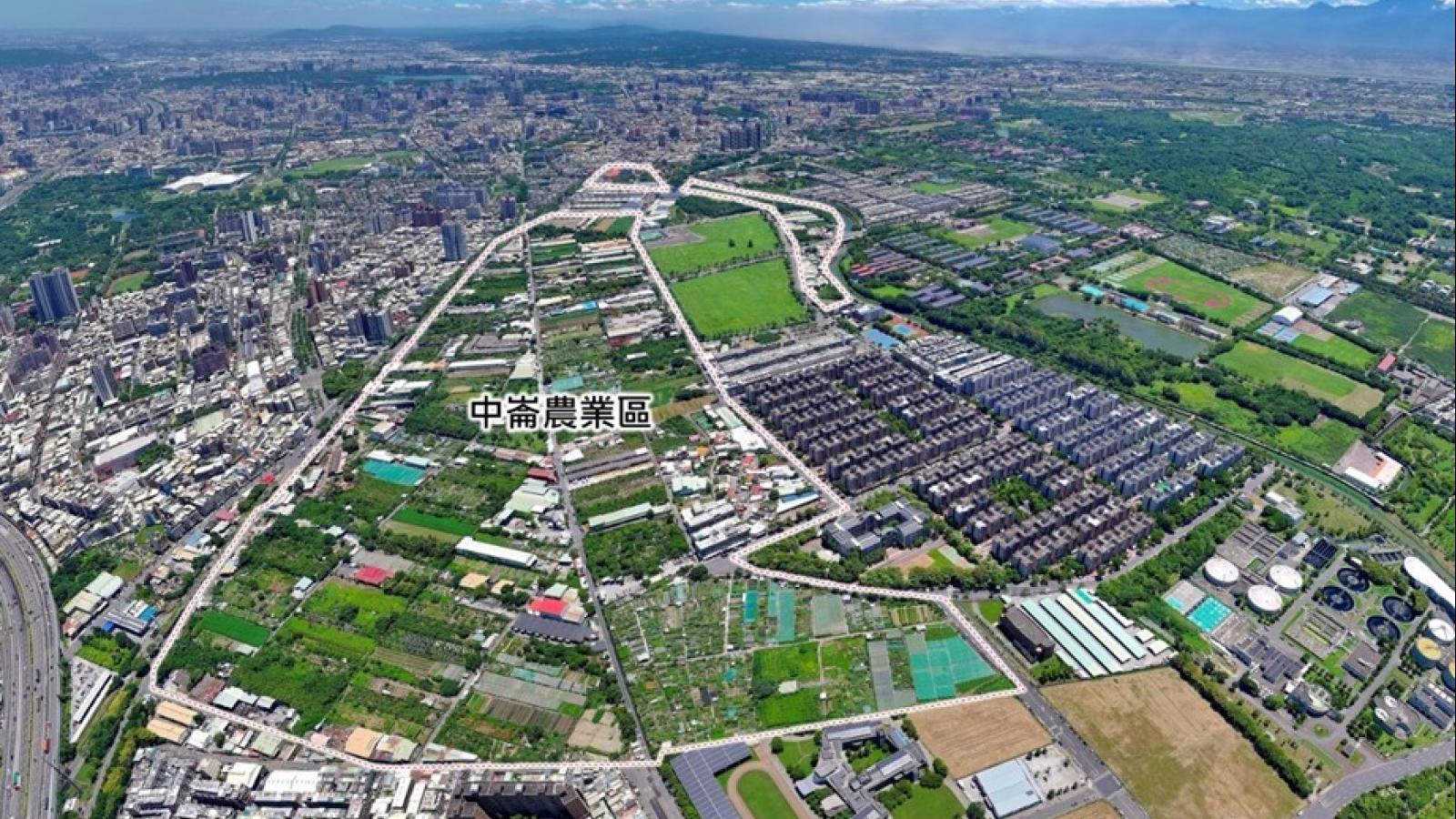
The Urban Development Bureau noted that some first-phase cases involving changes to the main plan are currently under review by the Ministry of the Interior’s Urban Planning Committee, with implementation to follow legal procedures upon approval. Phase Two will emphasize cross-departmental integration and regional development, including transforming the Zhonglun Agricultural Zone into a smart green energy living zone to drive regional innovation and industrial growth. Upon completion, this is expected to add approximately 35 hectares of public facility land.
Additionally, the city plans to expand the urban plan boundary around Jianjun Section 6 in Chengzhi Village, southeastern Fengshan, adding about 1.2 hectares of parkland and 0.27 hectares of parking lot land to strengthen local public services and living functions. This proposal was submitted to the Ministry of the Interior for review on June 30 this year.
The city government emphasized that Fengshan already boasts comprehensive transportation, cultural, commercial, and living functions. With ongoing major projects, its urban development potential is gaining increasing attention. The city will continue advancing the statutory procedures of the comprehensive urban plan review, gradually improving public facilities and land-use configurations to realize Fengshan’s vision as a 'sub-central hub of Kaohsiung.'
The government stressed that Fengshan’s future development will align with the 2050 net-zero carbon emissions goal. Through planning strategies such as TOD, green transportation, public spaces, and smart green energy communities, the city aims to balance industrial growth, environmental sustainability, and urban resilience—transforming Fengshan from a population center into a core driver of Kaohsiung’s next phase of urban development.
FACT BOX
- Source: PR Times
- Category: News