Taiwan President Lai Ching-te has issued a warning, stating that the Chinese Communist Party, during its Beidaihe meeting, instructed its forces in Taiwan to "support patriotic candidates to win." China has repeatedly used military threats and intimidation against Taiwan in an attempt to influence domestic elections. However, looking back at past election results, these military threats have had a backlash effect on the Taiwanese people.
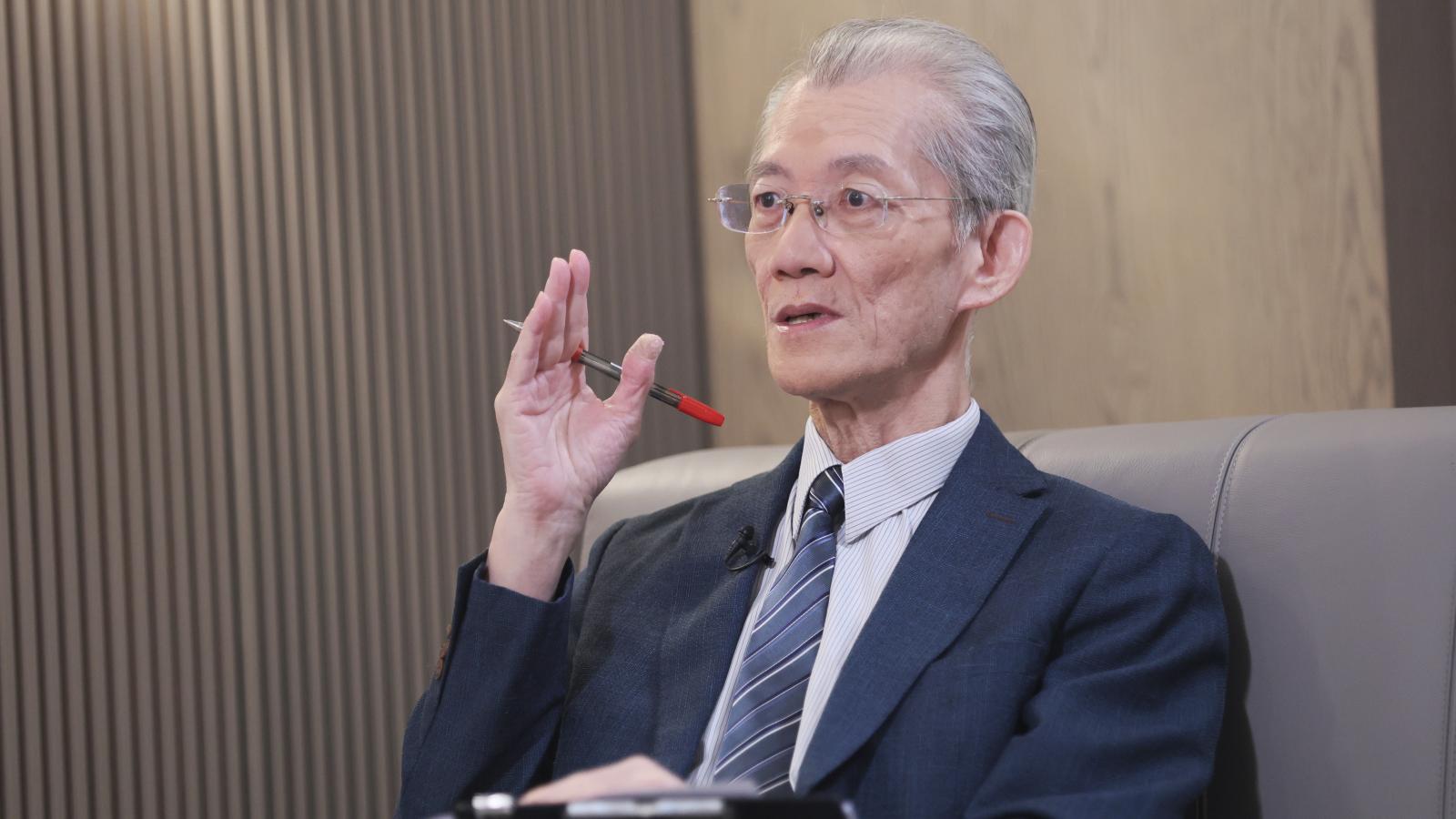
In response, Ming Ju-cheng, honorary professor of political science at National Taiwan University, analyzed on the program "Xiaban Han Ni Liao" on the media outlet Feng Media that China's military intervention in elections is actually aimed at achieving "propaganda effects."
Ming recalled that shortly after returning to Taiwan to teach, he witnessed the 1996 Taiwan Strait Crisis—the first time China used military force to intervene in an election. "They feared that former President Lee Teng-hui would declare Taiwan independence if re-elected," he said. Yet, Lee won re-election with 54% of the vote. In other words, China's military intervention produced a counterproductive result.
Ming continued that during the 2000 presidential election, when Democratic Progressive Party (DPP) candidate Chen Shui-bian's popularity peaked, China again used military threats. Then-Premier Zhu Rongji warned Taiwanese voters: "Anyone who attempts to pursue Taiwan independence will not end well."
Ming recalled that he, who originally had no intention of voting, decided to cast his ballot after Zhu's warning. Some native Taiwanese expressed anger, saying they felt they "must vote" after hearing Zhu's remarks. Ultimately, Taiwan experienced a party transition, and China's actions led to the election of "the person China least wanted to see."
The late Chinese Premier Zhu Rongji once threatened Taiwan, stating, "Anyone who attempts Taiwan independence will not end well." (Photo source, AP)
Ming noted that in the most recent 2024 presidential election, China adopted a more low-key approach, using balloon incursions and joint military exercises to interfere. "Yet, the person China dislikes still won," he said.
Ming analyzed that although military intervention often backfires, China continues because it needs to demonstrate to the international community that it "firmly opposes Taiwan independence." Regardless of actual military effectiveness, the "propaganda effect" generated by such actions is what China truly values.
FACT BOX
- Source: PR Times
- Category: News