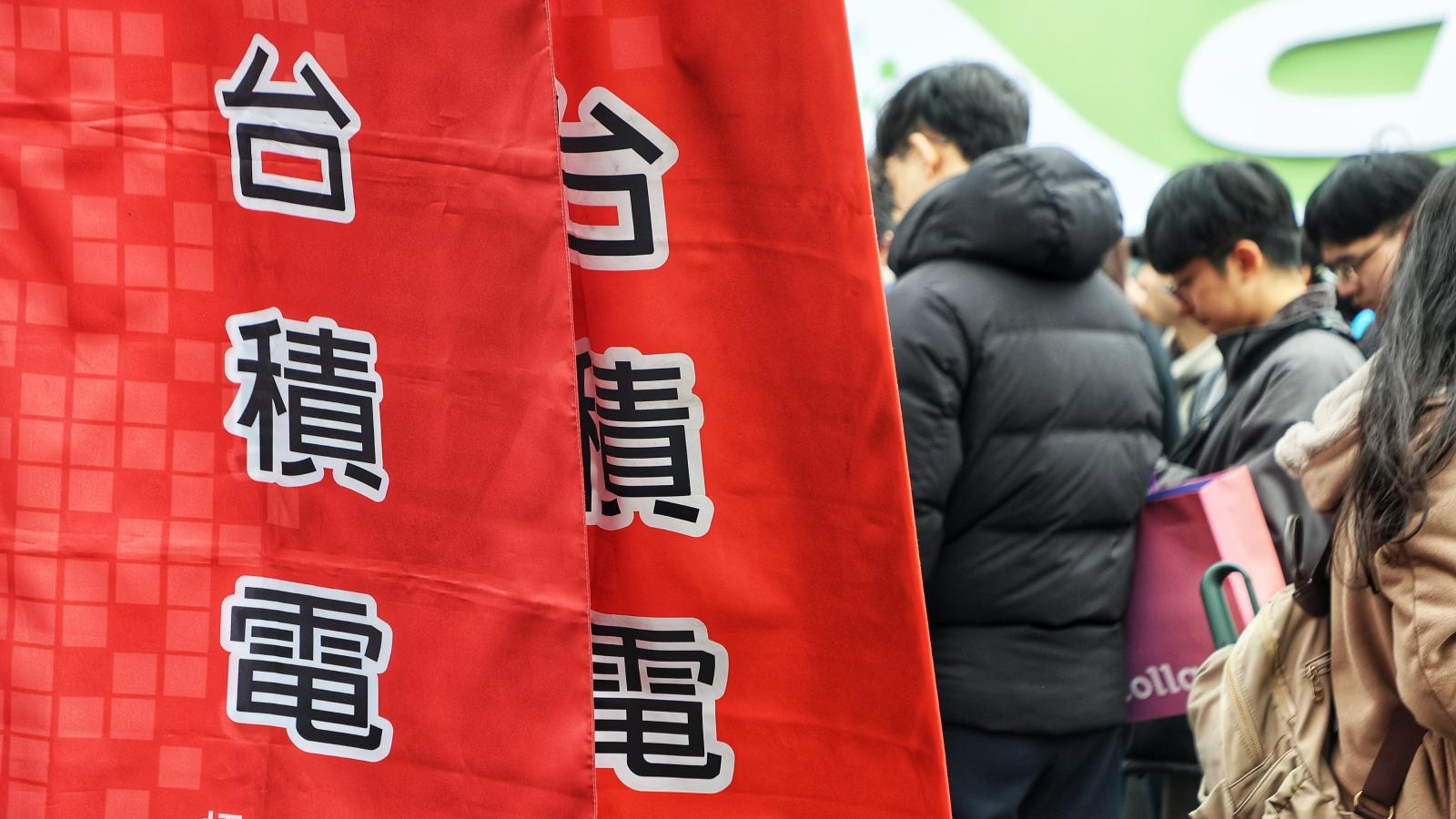
Driven by strong demand for chips and advanced manufacturing processes, TSMC's operations and profitability are growing rapidly. The company's stock price has recently been consolidating at high levels around 2,400 TWD, with the latest closing price at 2,395 TWD. TSMC is advancing construction and trial production at overseas sites in Arizona, USA; Kumamoto, Japan; and Germany, maintaining its position as Taiwan's most influential company and the global leader in semiconductor manufacturing.
However, former Minister of the Interior Lee Hong-yuan criticized the central government in an exclusive interview with CTI News on the 15th, stating that it has failed to address the 'magnet effect' the semiconductor industry exerts on Taiwan's resources.
Lee pointed out that the state invests approximately 10 million TWD to educate a student through university graduation. If that graduate does not work in their field of study but instead joins the semiconductor industry, it represents a loss for the nation. While acknowledging TSMC as a source of pride for Taiwan, he emphasized that the company's magnet effect is drawing in top talent from leading universities.
Lee warned that salaries in domestic industries outside semiconductors are too low, leading most people to prefer semiconductor jobs. He cited, 'Civil engineering national exams are now very easy to pass because no one wants to become a civil servant or engineer.' He believes this reflects Taiwan's misallocation of educational resources.
Amid widespread labor shortages across industries, the semiconductor sector's high profitability causes construction firms to favor semiconductor-related projects due to their higher unit prices. However, public infrastructure projects outside the semiconductor sector face labor and material shortages.
Lee stated that while the semiconductor industry performs exceptionally well, the core issue is that wages in other industries are too low, and the central government should recognize this. Yet, he feels the government has not demonstrated any strategy to address the semiconductor industry's magnet effect. He criticized that the central government keeps solving 'yesterday's problems,' fails to understand 'today's problems,' and dares not look at 'tomorrow's problems.'
More exclusive insights from Feng Media: · Can AI no longer sustain? Juan Mu-hua reveals two major warning signs in the U.S. economy: rising expectations for Fed rate cuts · Which ETFs are most resilient during Taiwan stock volatility? Ranking of recovery rates for 40 ETFs released: Juan Mu-hua shocked that 3 ETFs surpassed 100% recovery rate · When 'TSMC' takes all the talent, teacher shortages expand in the new semester—even Taipei's metropolitan area is not spared
FACT BOX
- Source: PR Times
- Category: News