On the 14th, Taiwan's Legislative Yuan passed a referendum proposal put forward by the Kuomintang caucus and supported by the Taiwan People's Party caucus, with the main text stating: 'Do you support the government using nuclear power to revitalize the economy and abolish the non-nuclear homeland energy policy?'
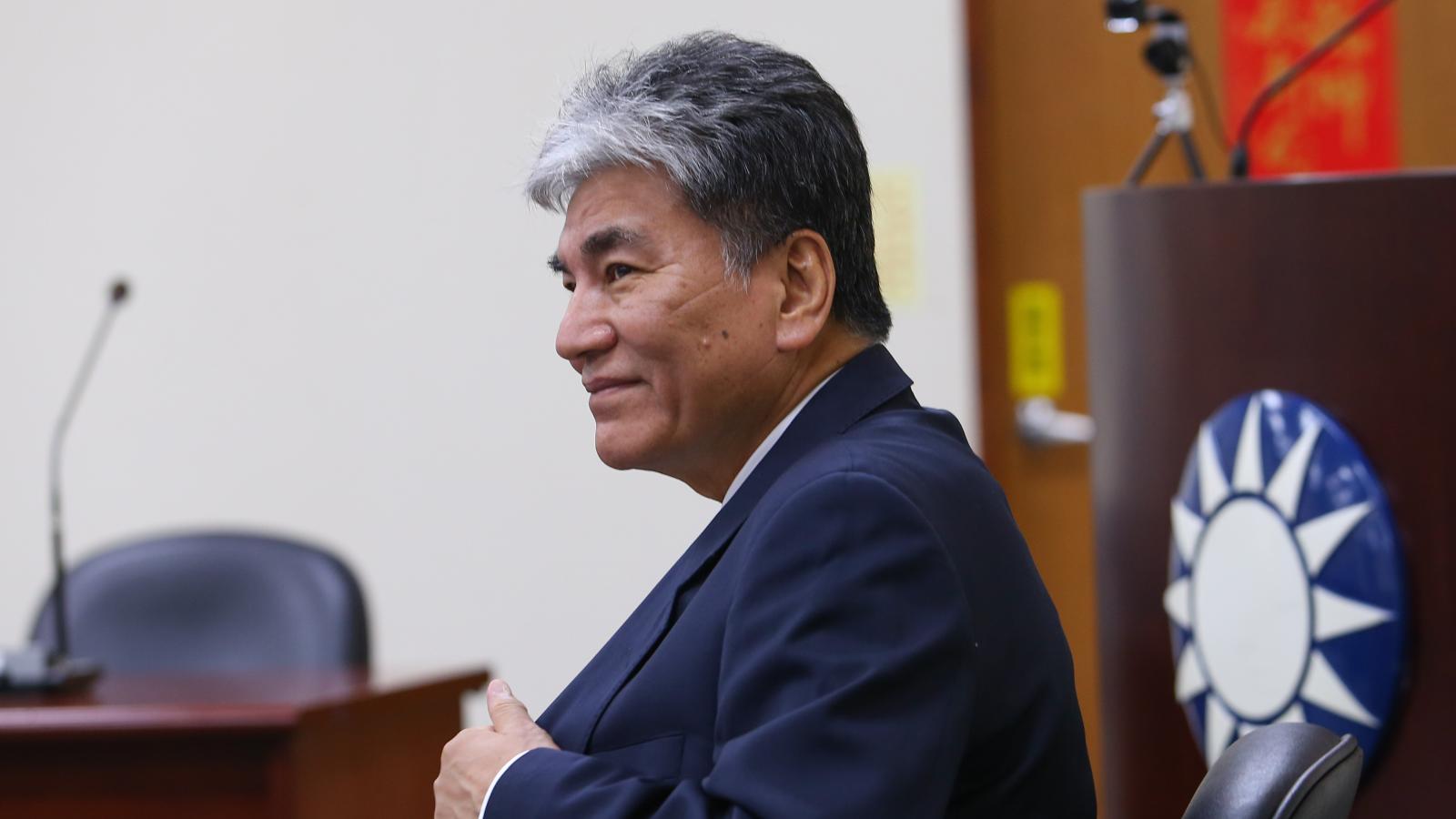
In response, former Interior Minister Lee Hong-khun criticized that thermal power generation already accounts for over 80% of Taiwan's energy mix, and green power certificates are almost entirely purchased by TSMC, causing small and medium-sized enterprises (SMEs) to be 'gradually abandoned by the world.'
Appearing on the program 'CTI News,' Lee recalled that during the 2024 presidential election, an OpenAI investor asked him two questions: 'Will there be a war across the Taiwan Strait?' and 'Will Taiwan face power shortages?' The investor emphasized that unless both issues were resolved, investment in Taiwan would not happen. Lee responded that, given the current cross-strait atmosphere, war was unlikely, but the government's energy policy would certainly lead to power shortages.
Lee questioned: 'Wouldn't this investor visit heads of government agencies? If the central government is aware of this, why continue shutting down the Third Nuclear Power Plant?' He pointed out that thermal power now exceeds 80% of the energy mix, describing the situation as the nation 'burning coal to commit suicide.' This is not only a public health issue but also risks foreign carbon taxes on Taiwanese enterprises.
According to Lee, to avoid carbon taxes, Taiwanese companies must purchase green power certificates. However, 95% of these certificates are bought by TSMC, leaving SMEs unable to access them. 'Our SMEs are being progressively abandoned by the world. This is the world's game,' he stated, questioning why the government continues such a policy if it is aware of the consequences.
Lee criticized that in recent years, the government has focused on large-scale recalls and elections, while the public remains unaware of SMEs' struggles, making the issue politically neglected. With only three months until local elections, he asked, 'Has any major policy platform been discussed?' SMEs are the true backbone of Taiwan's economy, and the government should intervene to support their transformation, provide financing assistance, and promote industry-academia-government collaboration. This is a systemic project requiring involvement from ministries such as the Ministry of Education and the National Science and Technology Council.
FACT BOX
- Source: PR Times
- Category: News