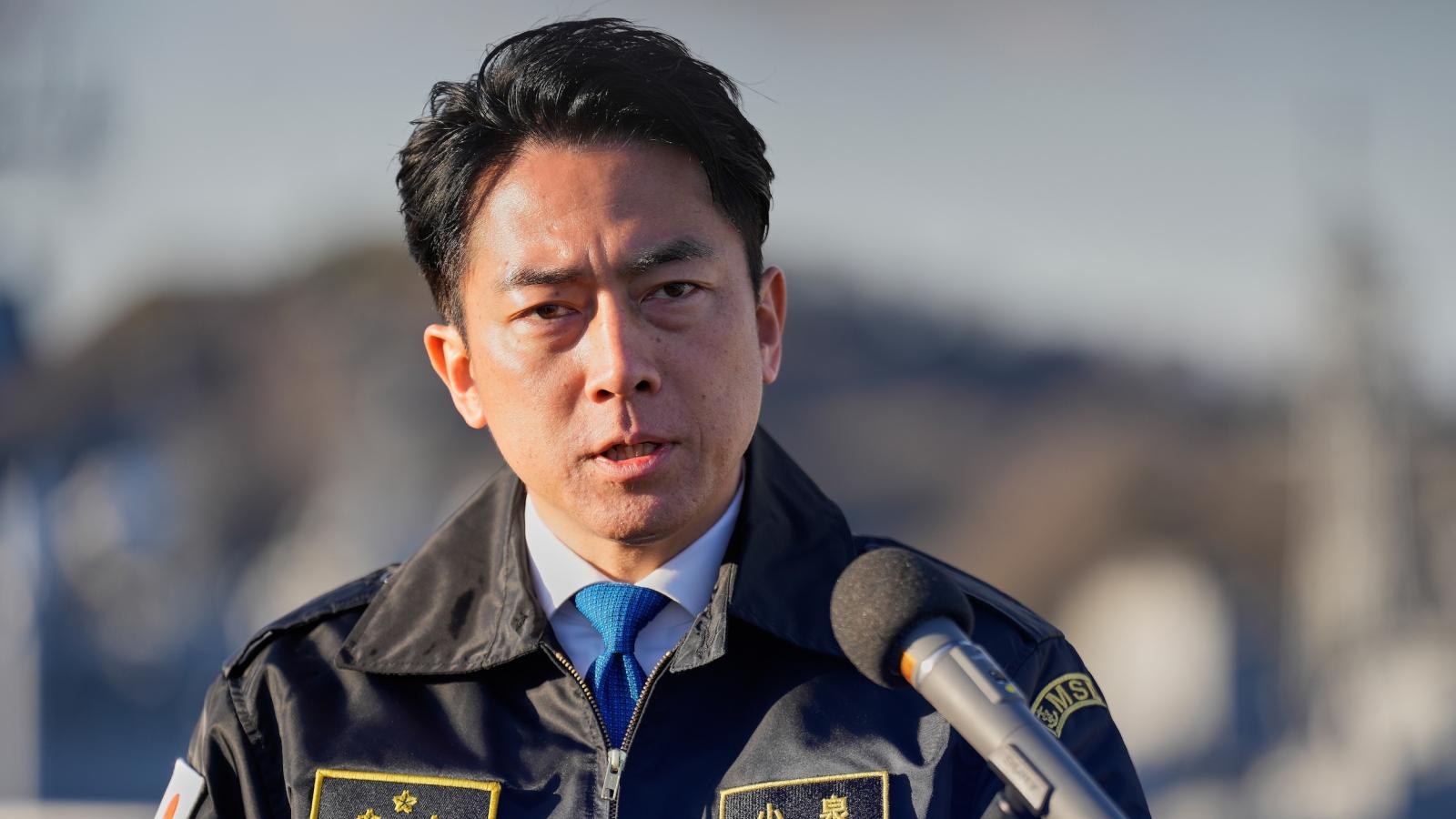
Japan's Defense Minister visited the Yasukuni Shrine, which honors Japan's war dead, on Saturday, drawing strong condemnation from China and South Korea. Prime Minister Fumio Kishida did not visit in person but sent ritual offerings through senior officials of the ruling party. Analysts suggest Kishida is attempting to appease domestic right-wing supporters while balancing diplomatic relations.
August 15 marks the 81st anniversary of Japan's unconditional surrender. Footage released by Japanese media showed Defense Minister Shinjiro Koizumi, dressed in a dark suit and tie, visiting the Yasukuni Shrine. According to NHK, Economic Security Minister Kimi Onoda also visited the shrine on the same day.
Kyodo News reported that although Prime Minister Kishida did not visit in person, he offered ritual expenses to the Yasukuni Shrine. Before assuming office in October last year, she had visited the shrine multiple times.
Strong Condemnation from China and South Korea
According to China Central Television (CCTV), a spokesperson for China's Ministry of Foreign Affairs stated: "China strongly condemns Japan's negative actions regarding the Yasukuni Shrine and has made serious representations and strong protests to the Japanese side."
The South Korean Ministry of Foreign Affairs issued a statement expressing "deep regret" over Japanese politicians offering祭品 or visiting the Yasukuni Shrine, calling such acts "out of step with the times." It urged Japanese leaders to face history squarely and demonstrate "humble reflection and sincere remorse" through concrete actions.
South Korea emphasized that this is a crucial prerequisite for building a future-oriented bilateral relationship based on mutual trust.
China and South Korea have long maintained that high-level Japanese officials' visits to the Yasukuni Shrine reflect insufficient reflection on wartime atrocities, downplay Japan's war crimes, and damage regional diplomatic relations.
Kishida's Decision Not to Visit May Prioritize Relations with China and South Korea
Japanese Prime Minister Fumio Kishida did not visit the controversial Yasukuni Shrine in Tokyo. Reuters analysis suggests this move aims to prioritize diplomatic relations with China and South Korea.
In November last year, Kishida stated that if China were to attack Taiwan, Japan might classify it as a "situation threatening Japan's survival" and potentially use force. This statement angered Beijing and further strained Sino-Japanese relations.
Japanese media reported that to avoid further deteriorating already tense relations with China and maintain good relations with South Korea, Kishida decided not to visit.
Kishida Sends Signals to Right-Wing Voters
On Saturday (August 15), three senior officials from the ruling Liberal Democratic Party (LDP) jointly visited the Yasukuni Shrine and offered ritual expenses on behalf of Kishida.
Since taking office, Kishida has not personally visited the Yasukuni Shrine but has offered ritual expenses twice during the spring and autumn grand festivals.
Observers believe this rare collective visit on behalf of the prime minister compensates for Kishida's absence and aims to appease and secure support from right-wing factions.
LDP Secretary-General Shunichi Suzuki stated that he conveyed the prime minister's solemn remembrance of the "war dead" and offered the ritual expenses on her behalf.
For Kishida, securing support from right-wing voters is crucial, as her approval ratings are reportedly declining rapidly. This may be attributed to slow economic measures in response to rising prices, a series of scandals including the alleged release of negative campaign videos, and public dissatisfaction over efforts to revise Japan's imperial succession rules.
Following Abe's Precedent: 'No Need to Continue Apologizing for the Past'
At the ceremony marking the 81st anniversary of Japan's defeat on Saturday, Kishida paid tribute to victims severely affected in Hiroshima, Nagasaki, and Okinawa, as well as those who died on overseas battlefields, thanking them for their sacrifices, which she described as the "foundation of Japan's peace and prosperity today."
However, Kishida did not mention Japan's wartime history in Asia, atrocities committed across Asia, nor did she express remorse or offer an apology.
She stated: "After the war, Japan has consistently worked to promote global peace and prosperity. We will never allow the tragedy of war to be repeated." She also emphasized that Japan, as a "reliable nation in the region," can play an important role in addressing global challenges.
Kishida has long refused to acknowledge Japan's acts of aggression and wartime atrocities, denied forced labor of Korean workers, and denied the existence of military 'comfort women.' She also participated in political movements demanding the removal of references to 'comfort women' from textbooks.
Kishida has stated that as a member of the postwar generation, she does not bear responsibility for Japan's past actions and has no intention of apologizing for them.
Since the 2010s, a historical revisionist trend has emerged in Japan. Former Prime Minister Shinzo Abe advocated correcting Japan's "masochistic historical view" and rebuilding national pride, and Kishida has long regarded Abe as her political mentor.
Since Abe set the precedent in 2013, successive Japanese prime ministers have ceased making public apologies to Asian war victims.
However, last year, former Prime Minister Shigeru Ishiba expressed "remorse" for the war and acknowledged it as a mistake, though he still did not explicitly mention Japan's war of aggression in Asia or issue a formal apology.
Controversy Over Shrine Visits
The Yasukuni Shrine enshrines approximately 2.5 million war dead, including 14 wartime leaders convicted as Class A war criminals and over 1,000 other war criminals sentenced by Allied tribunals after Japan's defeat. Japanese government officials consistently emphasize that such visits are made in a personal capacity to honor those who died in service to the nation.
The last sitting prime minister to visit the Yasukuni Shrine was Shinzo Abe. His visit in December 2013 drew expressions of disappointment from the Obama administration at the time.
Shinjiro Koizumi has consistently visited the Yasukuni Shrine on August 15, the anniversary of Japan's defeat, and other significant dates. However, given Kishida's hawkish government actively promoting the expansion of Japan's military capabilities and weapons exports, Koizumi's visit as Defense Minister is considered particularly controversial.
Koizumi has visited the shrine multiple times before, including during his tenure as Minister of Agriculture, Forestry and Fisheries last year. He previously stated that in any country, it is natural to honor those who sacrificed their lives for the nation. Regarding this visit, Koizumi declined to comment.
The last sitting prime minister to visit the Yasukuni Shrine on the anniversary of Japan's surrender was his father, Junichiro Koizumi.
FACT BOX
- Source: PR Times
- Category: News