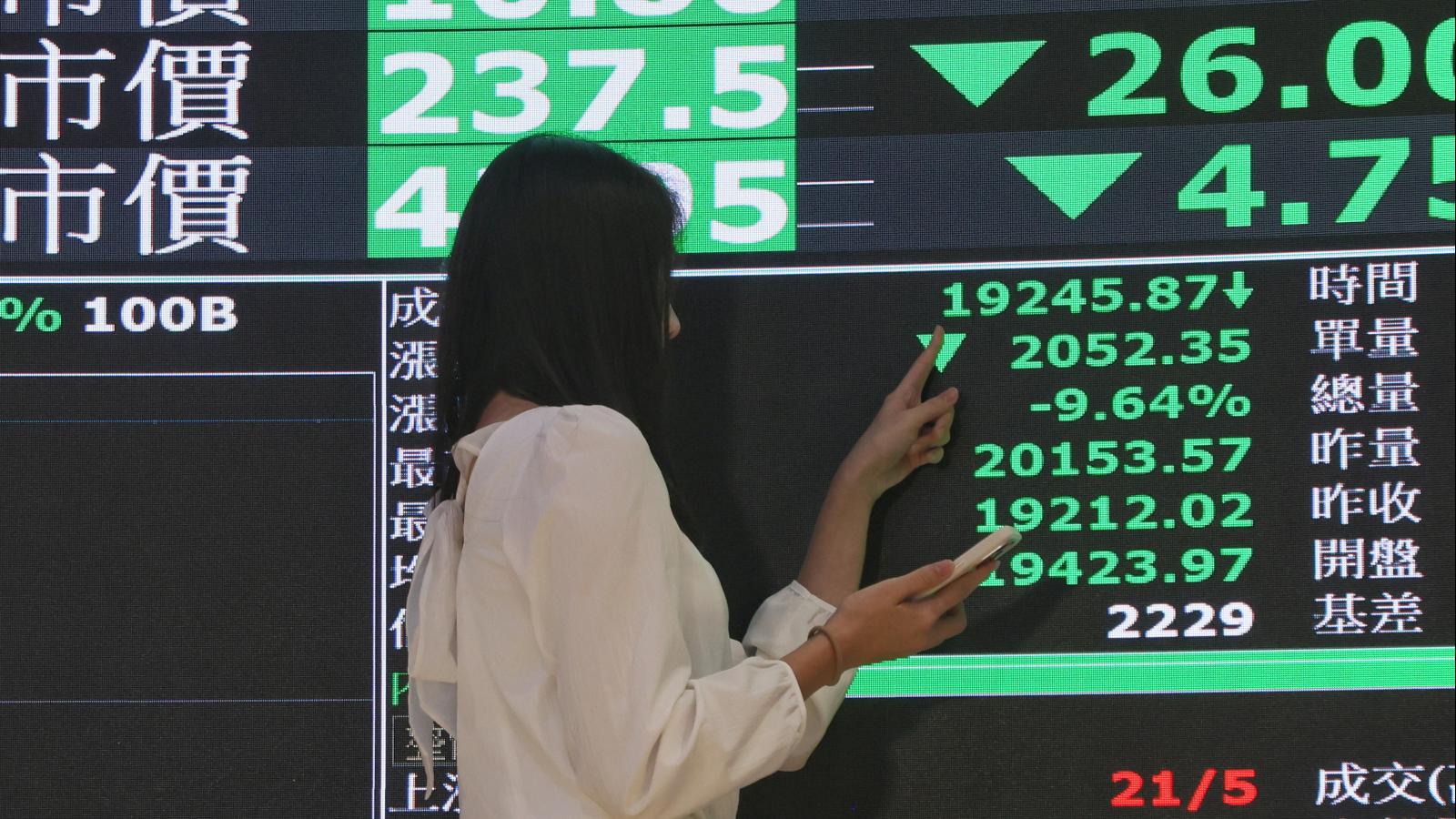
Taiwan's stock market briefly reclaimed the 46,000-point mark in August, but profit-taking and shifting foreign investor sentiment pulled the index back down. On the 20th, it rebounded 214 points to close at 44,933.
Hsieh Fu-Hsu, Editor-in-Chief of Stock Assistant Newsletter under CommonWealth Weekly, urged investors on the financial program Finance Express to adopt a 'marriage-minded' attitude toward stocks, which could yield returns of tens of percent—or even multiples of their initial investment.
Is Chasing Price Gaps Enough?
Hsieh explained that while the market adage 'don’t fall in love with stocks' has good intentions, it actually harmed him in the past. The saying advises investors to act decisively—locking in profits when due and cutting losses promptly. However, Hsieh misinterpreted it as 'sell whenever there’s a profit,' leading him to ignore dividends, earnings per share (EPS), and future prospects, and instead focus solely on price differentials.
Now, Hsieh manages a portfolio of over 40 stocks using the 'marriage-minded' principle, tracking them long-term.
When launching the Stock Assistant Newsletter, Hsieh initially selected around 40 stocks. Some have been replaced—such as Taiwan Cement being removed—while new ones have been added. He treats these stocks 'with sincerity,' closely following news, monthly revenue reports, quarterly earnings, earnings calls, and research reports from major brokerages to analyze their fundamentals. As a result, he has built a vast database on these holdings.
Hsieh: Comparing Stocks Against Peers Is Essential
Hsieh clarified that he doesn’t just study 40 stocks—he analyzes over 200. A stock’s performance must be evaluated against its peers to truly understand its standing.
For instance, to research Silicon Creation (Silicon Creative), he also studies competitors like Illy KY, Novatek, and FocalTech Electronics, assessing whether each company outperforms its industry average.
Hsieh urges investors to shift their mindset: adopting a 'marriage-minded' approach to stocks can generate returns of tens of percent or even multiples. This method isn’t complicated—it just requires more effort, as it demands significant time, mental energy, and attention to maintain consistently.
FACT BOX
- Source: PR Times
- Category: News