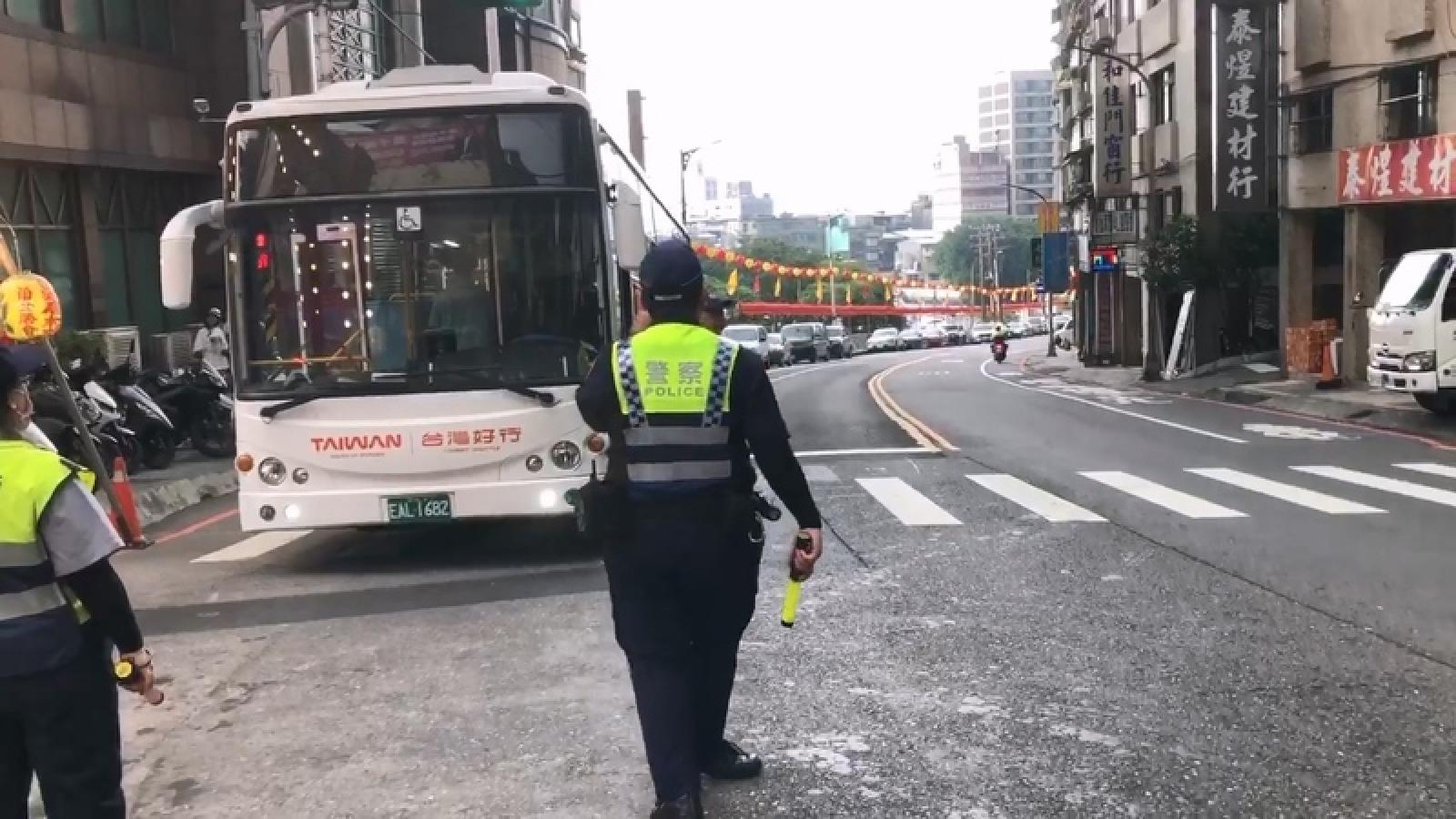
On August 13, Yilan implemented an urban resilience exercise. The most striking aspect wasn’t the air raid alarm, but the half hour after air conditioning was shut off. When cooling systems stopped and communications were restricted, heat and discomfort quickly spread across the site. During his inspection, Major General Ma Chia-lung, Deputy Commander of the Reserve Command, raised a critical question: This drill lasted only 30 minutes—what if this space had to endure for three or five days? Would current facilities and energy supplies be sufficient? This question highlights Taiwan’s biggest blind spot when discussing 'urban resilience'—we excel at ensuring smooth drill procedures but fail to clarify how long cities can maintain basic functions when external supplies are cut off.
The exercise emphasized uninterrupted command, medical care, rescue operations, grassroots coordination, and civilian supply chains. However, there is a vast difference between 'uninterrupted for thirty minutes' and 'uninterrupted for several days or even two weeks.' Taiwan isn't entirely unaware of stockpiling levels: regulations require a three-month safety stock of rice and at least twenty-five days of liquefied petroleum gas reserves. Yet, 'inventory levels' answer only how much material exists, not how long urban systems can operate without interruption. Judging from publicly available information, we still lack a comprehensive 'urban sustainability map' that integrates electricity, water supply, communications, healthcare, logistics, and shelters.
A shelter’s true resilience does not depend on wall thickness or capacity, but on how long occupants can survive when external systems fail. Suppose the goal is two-week operation: if food lasts two weeks, power generation seven days, but drinking water only five days, then the shelter’s priority should not be two-week food supplies, but the water that will run out in five days. Resilience building must identify not averages, but the weakest link. After this drill, was that weak point identified?
More strikingly, just days after the exercise, the president announced a universal payout of NT$10,000 next year, included in the central government’s 2027 budget. Politically, the government can precisely calculate NT$10,000 per person and trace the source of over NT$200 billion, yet struggles to answer 'how resilient is the nation against risks?' A cash handout is immediately visible and tangible; resilience, however, is a national capability nearly invisible until crisis strikes. This is democracy’s dilemma with resilience: the most visible policies aren’t necessarily the most crucial during emergencies.
Urban resilience cannot be solely shouldered by governments. Household stockpiling and knowing how to contact family during power or communication outages are part of public resilience. But resilience must not become 'every household for itself.' In recent years, the government has repeatedly urged citizens to prepare at least three days’ worth of essentials—a necessary form of self-help. But if the state asks individuals to prepare for three days while failing to clarify how many days public systems can last, the issue shifts from 'national resilience' to potentially shifting systemic risk onto individuals.
Therefore, beyond assessing immediate response during drills, we should convert all key municipal public services into 'days of continuity': How many days can critical power and water facilities operate without external supply? How long can minimum communication functions persist after system damage? How long can medical capacity, shelters, and civilian logistics endure after supply chain disruption?
We don’t need every system to reach the same duration initially. Instead, quantification helps identify vulnerabilities. If a shelter lasts seven days but water only three, the next budget should prioritize water. If medical services last two weeks but power backup only five days, the real gap is in electricity. This provides a rational basis for allocating limited budgets.
On August 13, people in Yilan endured heat for half an hour. That may test immediate responses, but it doesn’t reveal whether a city can maintain basic functions during prolonged crises. What’s worrying is if the discussion is reduced to: 'If it weren’t 30 minutes, but three or five days, could you endure?' Physically strong individuals might last longer—but what about the elderly, children, and pregnant women?
If the Premier can guarantee that over NT$200 billion for the $10,000 payout won’t crowd out next year’s planned policies and budgets, they should also be able to answer: When disaster strikes, how many days can each city last? True urban resilience isn’t just repeatedly telling citizens 'be ready for war at any moment,' but ensuring every drill clearly answers: 'Where is the weakest link? Who is responsible for strengthening it? And to what extent?'
*The author is an educator and institutional researcher.
FACT BOX
- Source: PR Times
- Category: News