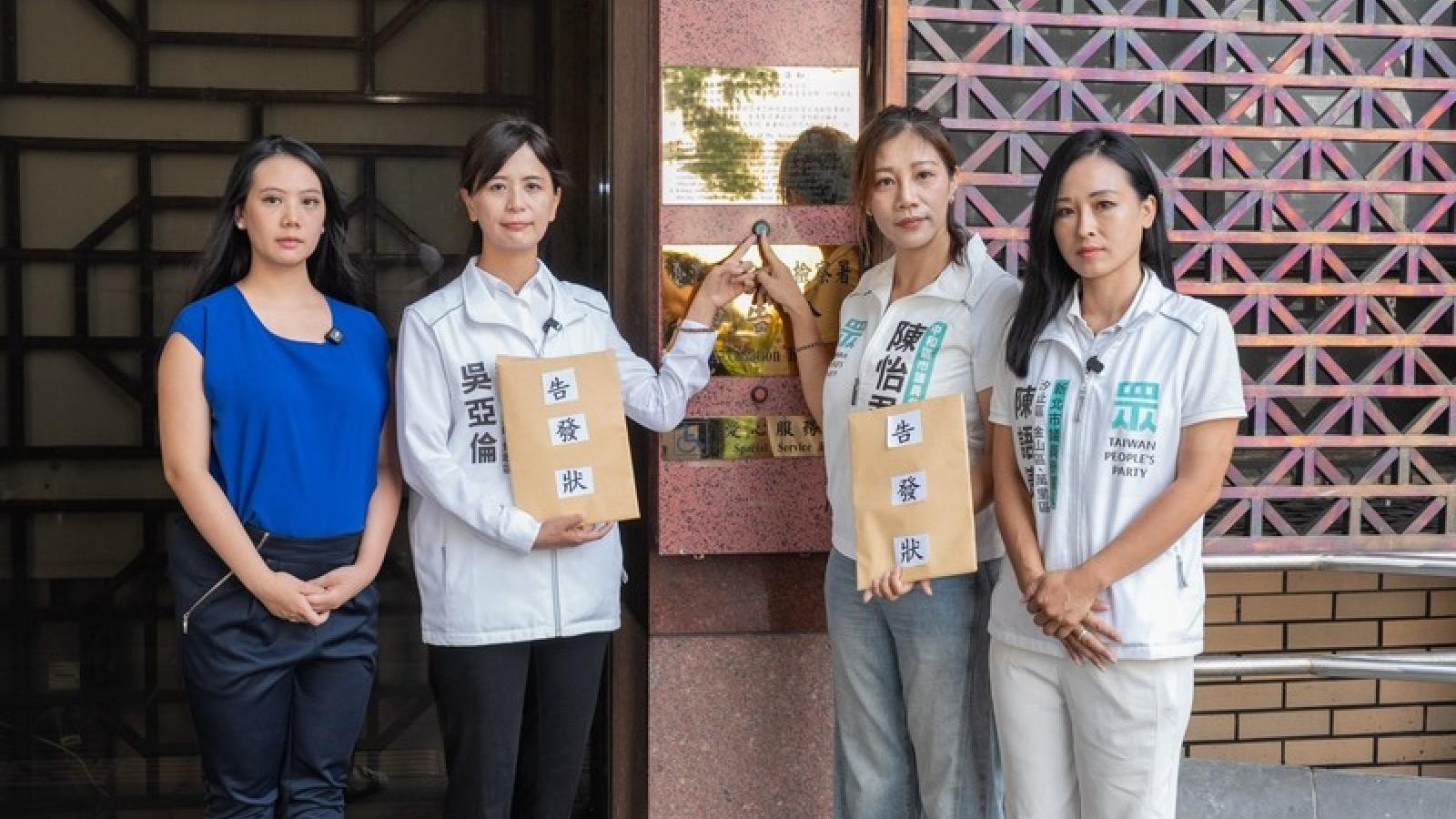
Hsu Chia-ching, Chairperson of the Overseas Community Affairs Council, allowed her children to visit Dongsha Island and received only a minor penalty of NT$100,000. During her tenure, starting as Vice Chairperson in 2020 and becoming Chairperson in 2023, she has made 47 overseas trips totaling 526 days, spending nearly NT$23.83 million in public funds. In response to public scrutiny, Hsu released a 30-page report, but questions remain: is it truly substantive?
The 30-page report claims visits to seven countries, ten locations in 26 days with no rest days. Hsu adopted a firm stance, comparing her report format to that of former Chairperson John Chiang, and refused to respond to criticism on the grounds that it did not originate from a legislator, accusing critics of deliberate smear campaigns labeling her trips as tourism.
However, if the primary purpose was to strengthen overseas Chinese community diplomacy and promote the establishment of overseas Chinese language centers—such as cooperation with the U.S. State Department or expansion in Japan—where are the results? Hsu argues that only a 'condensed five-page version' is publicly available, with the full report containing sensitive information. But the core issue is not the number of pages, but the quality and effectiveness of the content.
Can a 30-page document justify the lack of meaningful insights or recommendations? Can it demonstrate that the enormous public expenditure was justified by tangible outcomes? By citing 'confidentiality' to withhold details, Hsu inadvertently confirms the report's emptiness and limited achievements. If activities like 'watching movies' or 'eating desserts' are considered part of official diplomatic engagements, why can't they be openly included in the report for public scrutiny?
Hsu’s defense effectively admits that her trips included significant non-official, tourism-related activities, yet she refuses to acknowledge this transparently. Is the 30-page report merely substituting quantity for quality? Is 'confidentiality' being used to evade oversight?
The biggest controversy surrounding Hsu stems from allegations of nepotism—allowing her children into the Dongsha summer camp—and concealing leisure activities. Her so-called 'leisure tour' has raised concerns about violations of Article 6 of the Act Governing Conflict of Interest Avoidance for Public Officials. The focus should not be on who visited Dongsha Island, but whether the trip genuinely served public duties.
With administrative power and lacking internal moral restraint, coupled with weak external oversight, it is unsurprising that Hsu has been able to shield her family. Yet the central question remains: does the 30-page report actually contain meaningful content?
*Author is a columnist and investigative writer.
FACT BOX
- Source: PR Times
- Category: News