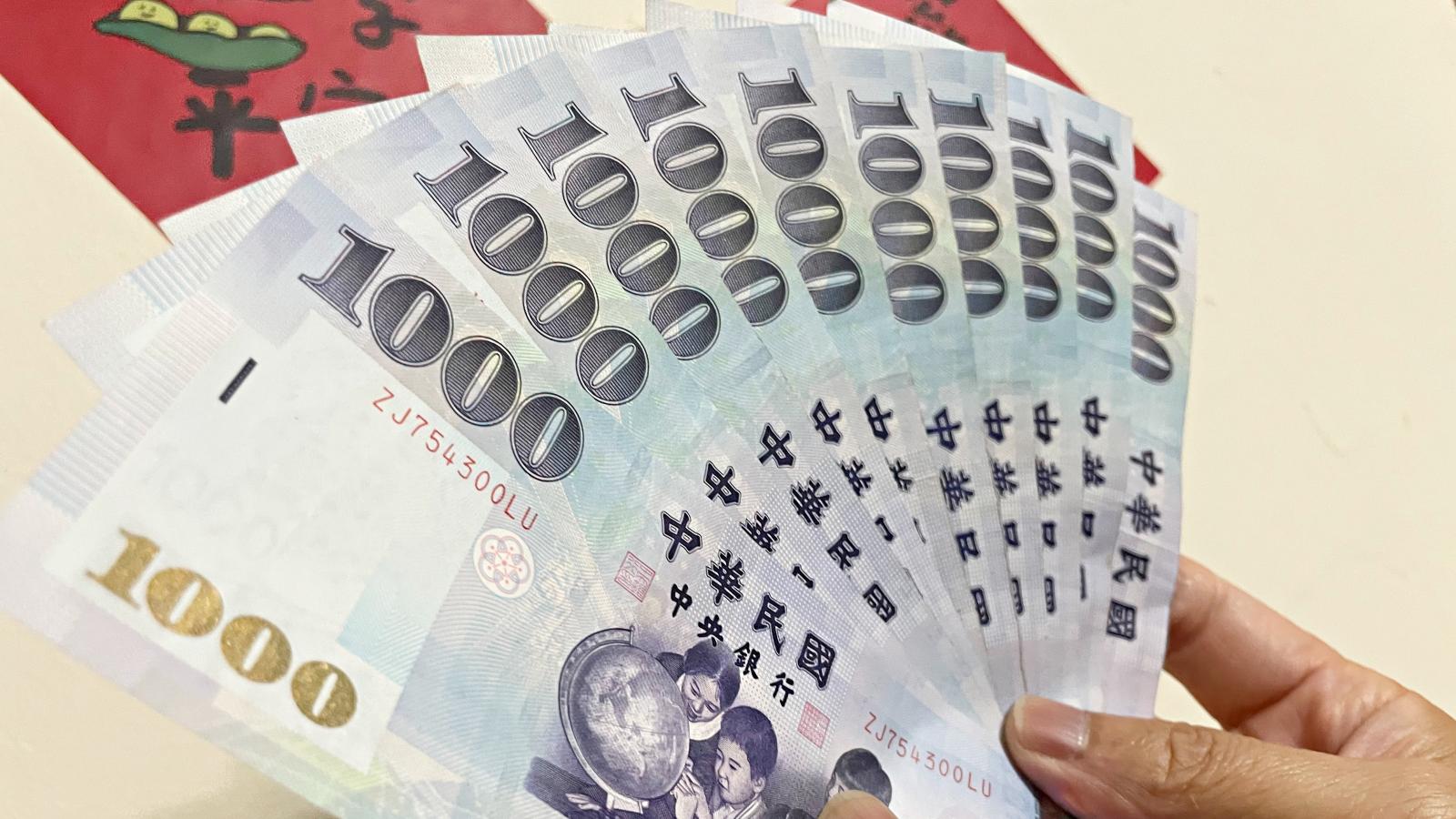
President Lai Qingde of Taiwan has announced a universal cash disbursement of NT$10,000, adding NT$235.7 billion to the national budget under the slogan of 'sharing AI dividends.' This policy not only overturns the previous administration's firm stance that universal cash handouts are 'unhelpful to the nation and damaging to fiscal discipline,' but also starkly reveals the ruling party's political nature of instrumentalizing national fiscal tools for electoral purposes. Analyzing this move from the perspectives of fiscal discipline, democratic governance, and long-term geopolitical competitiveness, Lai's decision lacks policy consistency and exposes a deeper crisis of using short-term populism to divert attention from governance anxieties.
First, this move highlights the collapse of serious fiscal discipline and the political double standards of 'what was wrong yesterday is right today.' Most critically, it signifies the complete erosion of national fiscal discipline and policy integrity. Previously, when opposition parties advocated 'returning taxes to the people' and proposed universal cash disbursements, the Executive Yuan and Green-aligned legislators uniformly condemned such proposals as 'fiscal sinkhole bills' and 'violations of fiscal discipline.' Yet, when the same policy is announced by Lai Qingde himself, it is instantly rebranded as 'sharing AI dividends.'
In sound comparative fiscal theory, surplus revenues or temporary surpluses should be prioritized for debt repayment, strengthening long-term funds, or targeted transfer payments to vulnerable groups. The Lai administration's decision to distribute capital gains from a single industry through indiscriminate cash handouts not only fails to address wealth inequality but also exposes the double standard of 'green can, you cannot.' This fiscal attitude, which flexibly shifts according to electoral cycles, is eroding Taiwan's sound fiscal system built over decades.
Second, this is clearly a populist tactic designed to undermine legislative oversight and hold the national budget hostage. From the perspective of democratic governance and legislative dynamics, this sudden decision carries high political manipulation. Facing a 'minority ruling party, majority opposition' legislature and intense budget scrutiny, the ruling authorities have chosen to release a massive NT$235.7 billion cash package, effectively leveraging populist sentiment to pressure legislative oversight.
By forcibly bundling universal cash disbursement with the overall budget bill, the government forces the legislature to tread carefully during the review of massive government expenditures. If opposition parties question or propose cuts to budget items, they risk being labeled as 'obstructing citizens from receiving money.' This strategy of 'monetizing public funds' as a political tool may appear to secure public opinion and agenda control in the short term, but it severely undermines the institutional spirit of budgetary review and checks and balances in a democratic nation.
More importantly, this move crowds out national structural transformation and misses the opportunity to build 'long-term resilience.' Elevating the perspective to global geopolitical economics and long-term national strategy, Taiwan currently faces multiple severe challenges: energy transition, population aging, infrastructure upgrades, and geopolitical risk defense. The NT$235.7 billion, if invested in public housing, improvements in healthcare and police/fire resources, cybersecurity, or green energy computing infrastructure, could lay a solid foundation for the nation's hard power over the next decade. Many developed nations facing population aging and technological change never spend fiscal surpluses on one-time consumption; instead, they invest in national future funds or infrastructure upgrades to prepare for future external shocks. The Lai administration’s choice to allocate these resources for one-time consumption disbursement is a classic case of 'sacrificing long-term development for short-term populism,' a wasteful opportunity cost. This lack of strategic foresight does nothing to enhance the nation’s substantive resilience against geopolitical risks and instead leaves the country without a solid fiscal buffer when facing future economic volatility.
Lai Qingde’s sudden announcement of universal NT$10,000 disbursement is essentially a political gamble wrapped in the 'dividends of technology' rhetoric. When a government becomes accustomed to using cash handouts to resolve political crises and governance dilemmas, the ultimate cost will be borne by the entire population and Taiwan’s long-term future.
*The author is a graduate student at the Department of Economics, National Chengchi University.
FACT BOX
- Source: PR Times
- Category: News