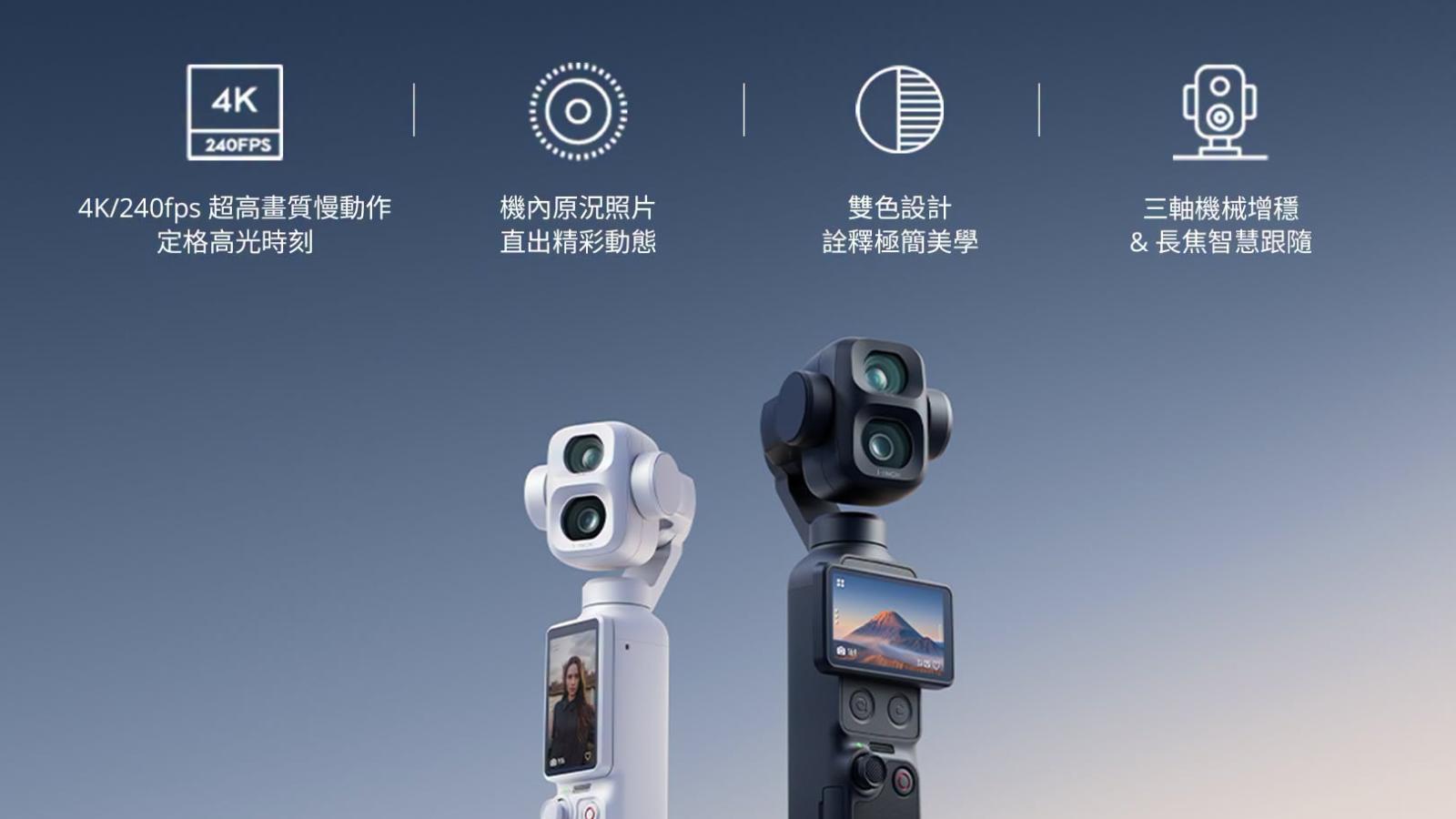
This spring, Chinese college student Yanli Wang traveled to Taiyuan for three days and wanted to take photos with better equipment than her smartphone. Instead of buying a DJI Pocket 3 camera for over 3,000 yuan (about $420), she rented one for 65 yuan (less than $10) and returned it after her trip. 'Everyone praised my photography skills,' she said.
DJI, headquartered in Shenzhen, dominates the global consumer drone market and also produces handheld cameras and other imaging devices.
Across China, young consumers are applying the same logic to an increasing number of products they want to use but don’t necessarily need to own: drones, cameras, skiing gear, camping equipment, luxury handbags, wedding dresses, toys, and even elaborate outfits worn just to take a few social media photos.
China has a term for this practice: 'yi zu dai mai' (rent instead of buy). The trend is rising rapidly and has become a significant business. According to a report from a research center under China’s market regulatory authority, China’s rental economy reached over 4.2 trillion yuan (about $585 billion) in transaction value in 2024. Rental service usage exceeded 750 million times.
The momentum continues. On Meituan, the e-commerce 'super app,' searches for camera rentals rose 67% year-on-year in 2026, while drone rental searches increased more than tenfold. Nearly 70% of rental-related searches came from people aged 20 to 35.
A survey released this year by the China Youth Daily found that 77.3% of 1,334 young respondents had engaged in 'rent-instead-of-buy.' Among those born after 2000, the figure was 82.2%. Electronics such as cameras, computers, and drones were the most popular category, followed by outdoor gear.
Xianyu, Alibaba’s massive secondhand trading platform, said rental orders on its platform had increased more than tenfold in three years. Order volume in April rose over 100% year-on-year.
The appeal is clear. A young photographer in Qingdao told state media he could rent a drone for over 40 yuan per day and a DSLR camera for around 50 yuan. A full set costs less than 100 yuan per day to rent, compared to tens of thousands of yuan to buy.
Others view renting as a 'test drive.' A young consumer interviewed by the Shanxi Evening News said he rented a DJI Pocket 3 while waiting to see if the company’s next model would be worth purchasing.
This distinction matters to manufacturers. Renting may ultimately lead to sales. A customer interviewed by CCTV said she had rented cameras multiple times before finally buying one in-store.
But it could also completely undermine sales.
This presents a tricky issue for the Chinese government. The central government has made increasing household spending a top economic priority.
China’s total retail sales of consumer goods grew just 0.6% year-on-year in July, slower than June’s 1%. Despite the government’s efforts to shift the economy toward consumption-driven growth, years of falling property prices and economic uncertainty have made Chinese households cautious about big-ticket spending.
For consumers, renting offers a way to alleviate anxiety: you can have the experience without making a purchase commitment.
Zhu Di, a researcher at the Chinese Academy of Social Sciences who studies consumer culture, said Chinese youth are moving away from past extremes—either giving up on things they can’t afford or going into debt to buy them. Instead, they are negotiating, sharing, and renting.
Zhu said this reflects a more mature and pragmatic consumer attitude among today’s youth.
Yet the rental economy has its limits. China’s consumer rights protection agencies and media have warned of issues such as equipment damage, unclear compensation rules, difficulty in refunding deposits, and personal data left on rented electronic devices. Breaking someone else’s drone could turn an otherwise cheap weekend rental into a very expensive bill.
Still, the trend reflects broader characteristics of Chinese consumers in 2026.
Young people haven’t necessarily stopped wanting nice things. They still desire DJI cameras, designer bags, and snowboards.
They’ve just realized they don’t have to own them.
(This article is translated from MarketWatch. MarketWatch is operated by Dow Jones, the parent company of The Wall Street Journal, but MarketWatch operates independently of the Dow Jones news agency and The Wall Street Journal.)
FACT BOX
- Source: PR Times
- Category: Survey
- Organizations: DJI / MarketWatch
- Products / services: DJI Pocket 3