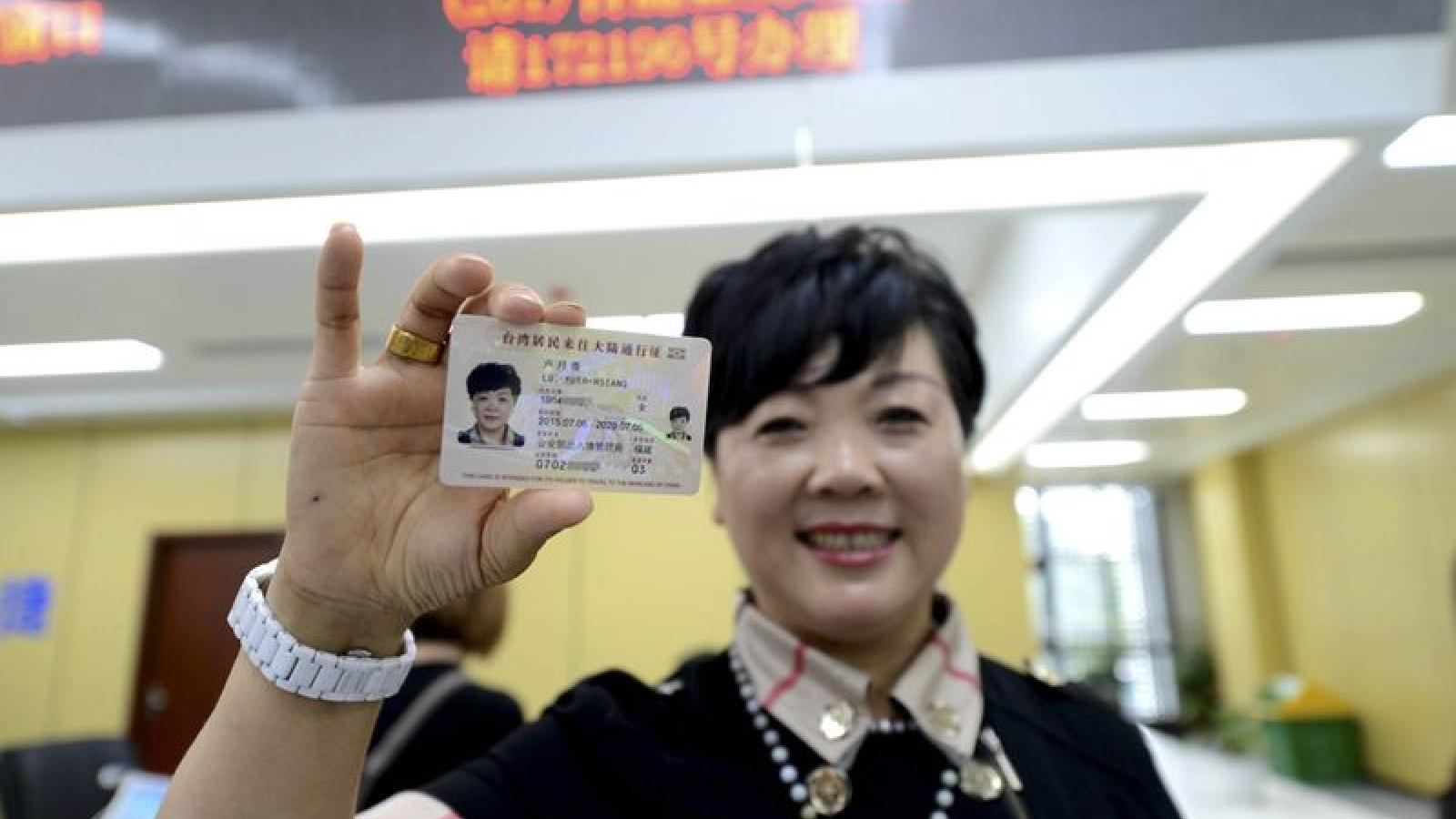
Mainland China is set to officially implement the 'State Council Regulations on Exit and Entry Management' on September 15. Whether Taiwanese citizens holding compatriot permits will be included under the scope of these regulations has triggered significant discussion and attention across the Taiwan Strait. Taiwan's Mainland Affairs Council recently issued a warning, indicating that certain clauses in the new regulations may pose potential enforcement risks. In response, the Taiwan Affairs Office of China's State Council directly addressed the issue during its regular press conference, emphasizing that the new regulations aim to improve the legal environment and urging Taiwanese citizens not to worry excessively.
What concerns have the new regulations raised?
Regarding the upcoming exit-entry management regulations, Taiwan's Mainland Affairs Council recently raised risk alerts. The authority pointed out that mainland Chinese authorities may treat Taiwanese citizens holding compatriot permits as their own nationals, and in the future, could potentially use these regulations to restrict the entry and exit of Taiwanese people to and from China. Specifically, the regulations have added new clauses on 'export control' and 'technology import-export management' as restrictions on leaving the country. Given the current industrial environment, Taiwanese businesspeople, corporate executives, and professionals in the technology and semiconductor industries may become high-risk targets for arbitrary enforcement. The council advises citizens to carefully assess the impact of these legal changes before traveling to mainland China.
How did the Taiwan Affairs Office respond to public concerns?
Facing public concerns over the new exit-entry regulations, Zhu Fenglian, spokesperson for China's Taiwan Affairs Office, stated during the morning press conference on the 19th that Taiwanese people traveling to mainland China 'do not need to worry about any risks at all.' Zhu explained that the regulations are primarily designed to standardize exit and entry management, protect the legitimate rights and interests of travelers, and 'safeguard national sovereignty, security, and development interests.' She further noted that the core of the regulations lies in improving the outbound security risk prevention system, clearly requiring that the purposes of exit-entry applications must be genuine and lawful, and strengthening the regulation of exit-entry intermediary services. Overall, she emphasized, these measures will help protect the legitimate rights of cross-strait exchanges and provide a more robust legal environment for Taiwanese people visiting mainland China for tourism, family visits, inspections, and exchanges, adding that 'the vast number of our Taiwan compatriots will come with joy and leave fully satisfied.'
Current state of cross-strait exchanges and focal points of official disputes?
During the press conference, Zhu Fenglian criticized the Mainland Affairs Council's warning as 'alarmist and malicious,' accusing it of attempting to restrict cross-strait exchanges and obstructing people-to-people interactions—a 'stumbling block' to mutual understanding. She also accused such narratives of creating information barriers. Zhu provided concrete data to demonstrate the vitality of grassroots exchanges, noting that in the first half of this year, 2.85 million Taiwanese traveled to mainland China, a year-on-year increase of 24.9%. She emphasized that during the summer vacation period, tourist and inspection groups continued to flow steadily, showing that people-to-people exchanges have not been affected by policy controversies. As the new system is set to take effect in mid-September, differences in understanding between the two sides regarding legal applicability and the safety of personnel movement remain a key focus for both industry and civil society.
FACT BOX
- Source: PR Times
- Category: News