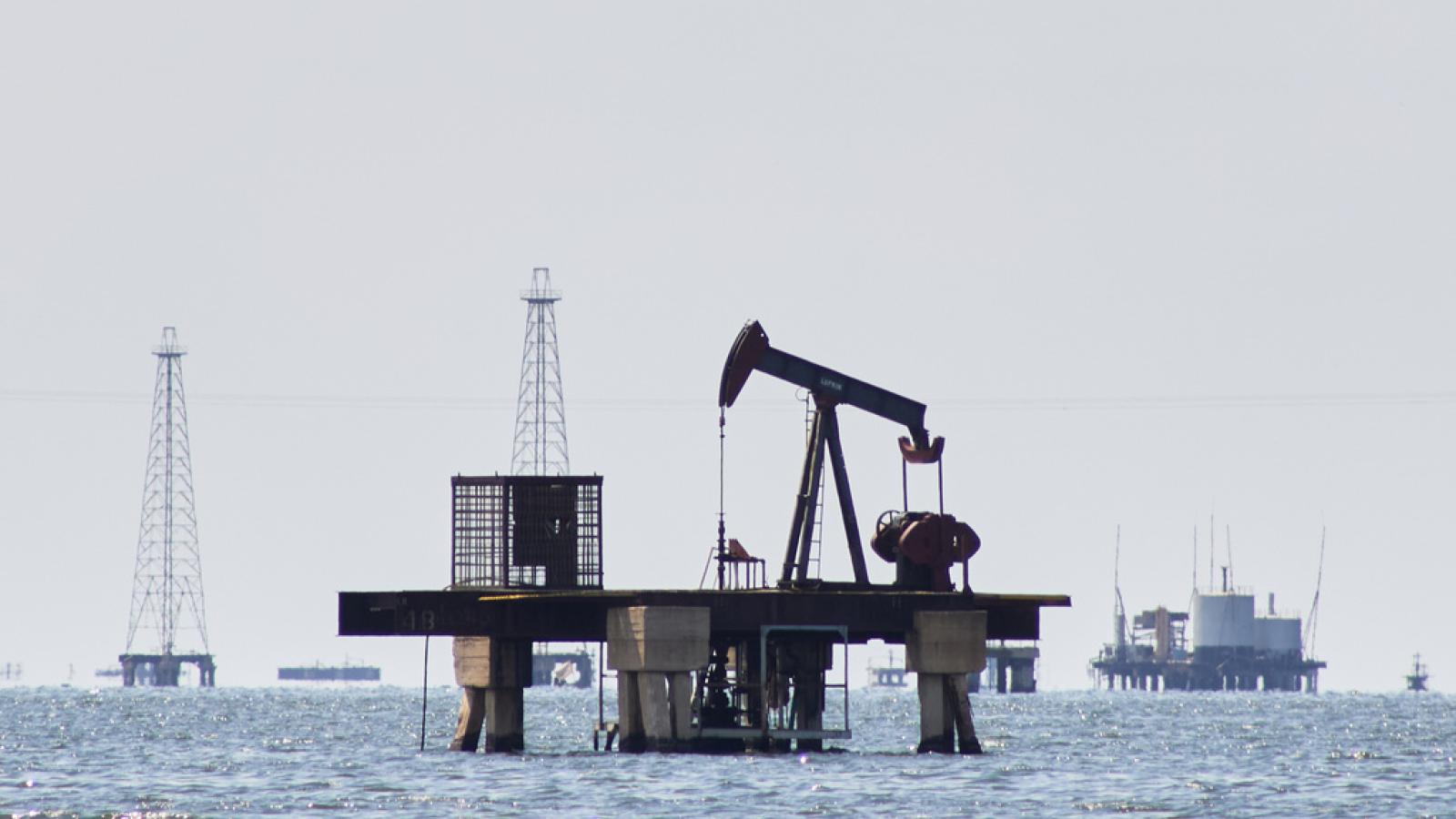
According to multiple sources cited by foreign media, Venezuela is assessing whether to exit the Organization of the Petroleum Exporting Countries (OPEC), which it helped establish over 60 years ago. If the country does leave, this would represent the most dramatic political shift since former President Nicolás Maduro was arrested and ousted by U.S. President Donald Trump, who then took control of Venezuela’s oil sales. The biggest beneficiary of this transformation would undoubtedly be the United States, as reports suggest secret negotiations are underway to lease several key oil fields in Venezuela to the U.S. under ultra-long-term 100-year contracts.
Direct U.S. involvement in foreign oil field development aligns with Trump’s 'New Monroe Doctrine,' aimed at expanding American influence in the Western Hemisphere. Trump has not only stated his desire to make Venezuela 'like the 51st state' but has also actively pushed for Washington to take equity stakes in strategic firms such as Intel and MP Materials. Following the successful special forces raid that captured Maduro and installed interim President Delcy Rodríguez, diplomatic relations between the U.S. and Venezuela have been restored, and embassies have reopened.
Additionally, U.S. oil giants like Chevron have been permitted to expand operations locally through asset swaps. Many risk-tolerant independent oil producers now view this as the largest oil investment opportunity since the collapse of the Soviet Union.
During the first oil crisis, OPEC oil ministers met in Kuwait on November 3, 1973, to discuss oil prices. (AP)
Venezuela was once a core OPEC member, but due to prolonged sanctions and domestic political and economic collapse, its daily production in July this year dropped to just 1.16 million barrels—less than half of its output a decade ago. Although Venezuela’s current production level is insufficient to cause immediate, severe disruption to the global oil market amid U.S.-Iran tensions, in the long term, leaving OPEC would free the country from production quotas. This could enable maximum production capacity with international capital investment, thereby lowering global oil prices.
Some U.S. officials have even told foreign media that the idea of a U.S.-Venezuela oil alliance is primarily aimed at weakening the pricing monopoly held by Saudi Arabia-led OPEC.
OPEC once again faces rumors of member defections. (AP)
Historically, Venezuela played a pivotal role in founding OPEC in 1960 under then-Oil Minister Juan Pablo Pérez Alfonzo and later pushed for the creation of the OPEC+ alliance in 2016 to expand its influence. However, if Venezuela follows the United Arab Emirates (UAE), which announced its OPEC exit in April to independently set and release production capacity, it would intensify market skepticism toward the organization. This move would not only pave the way for Trump to combat high oil prices but could also accelerate the arrival of the global oil surplus era predicted by the International Energy Agency (IEA), pushing the global oil and gas market back into a market-share-driven price war.
FACT BOX
- Source: PR Times
- Category: News
- Organizations: Chevron / Intel / MP Materials