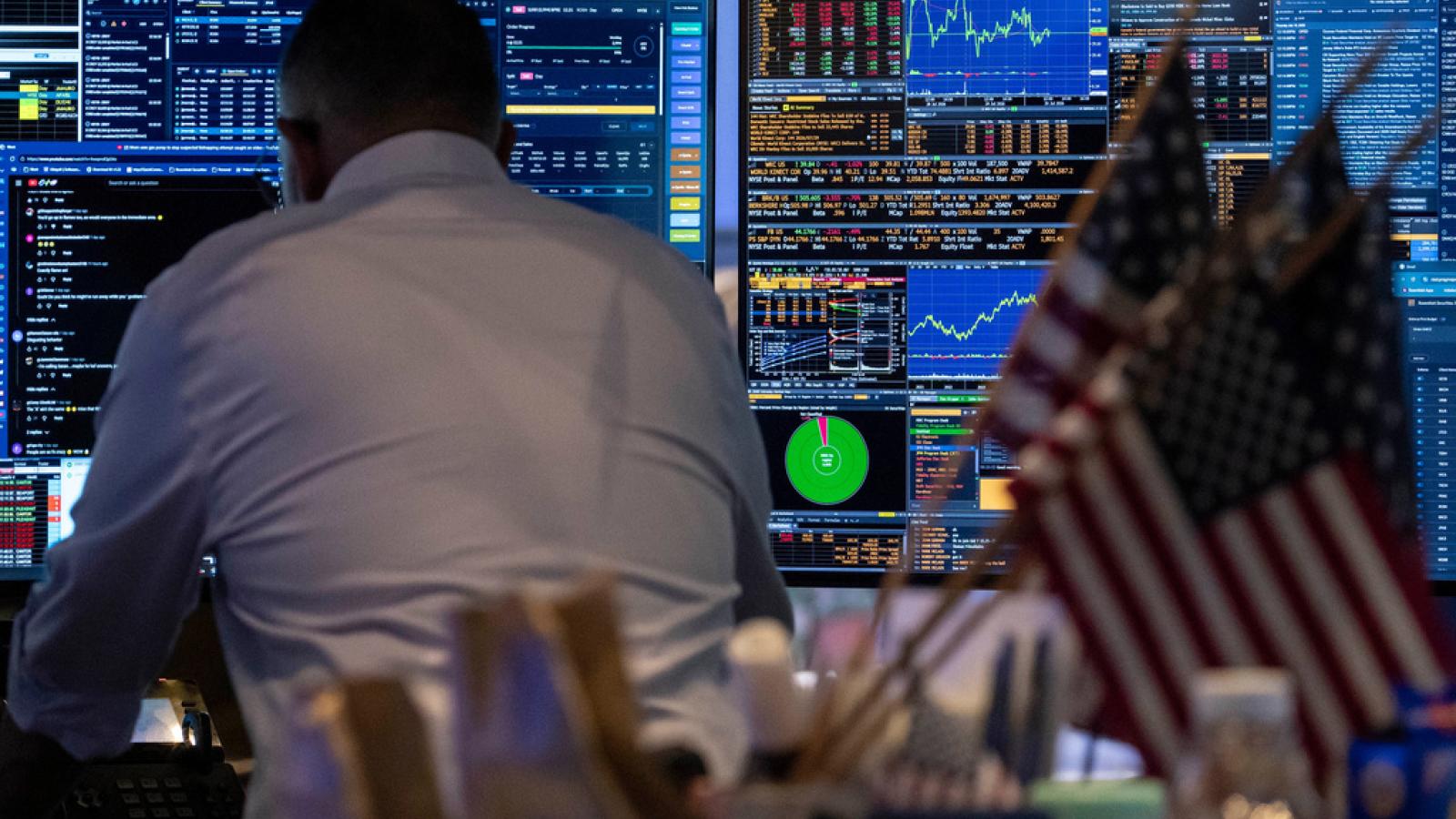
For the past few years, investors who bought stocks with consistently rising prices while shorting underperforming ones often achieved substantial returns. This 'momentum trading' strategy was particularly successful in the first half of this year, with AI favorites like Nvidia, AMD, and Micron becoming primary targets for capital inflows. Investors simultaneously bet against companies potentially disrupted by the AI wave.
However, this once-popular Wall Street strategy has recently faltered. The S&P 500 Momentum Index has plunged over 9% since July 1, while the broader S&P 500 index rose 2.8% during the same period—potentially marking the worst quarterly relative performance in 25 years.
According to Bank of America estimates, July was the second-worst month for momentum trading in nearly 40 years, surpassed only by April 2009 during the peak of the global financial crisis.
Momentum Trading Was This Year’s Top Performer
The logic behind momentum trading is straightforward: stocks that have recently risen tend to continue their strength, while lagging stocks often keep underperforming. The S&P 500 Momentum Index surged 44% in Q2 2023, setting a record for the best single quarter. Over the past five years, it has gained 133%, nearly double the return of the broader market over the same period.
From large institutional funds to hedge funds and even new retail investors, many joined this trade. Some leveraged their positions using derivatives and options, further inflating the prices of popular stocks.
Matthew Tym, Managing Director at Cantor Fitzgerald, described this dynamic as a form of 'self-fulfilling prophecy': the more people buy rising stocks, the higher prices climb, attracting even more capital and creating a 'winner-takes-all' cycle. But when market sentiment shifts, this mechanism can reverse rapidly.
Biotech Stocks Stage a Comeback—Short Sellers Get Crushed
Biotech stocks like Moderna were among the most heavily shorted in recent years. However, positive news about cancer vaccines from Moderna and Merck triggered a sudden surge in these stocks, forcing short sellers to cover their positions and inflicting heavy losses on some quant and hedge funds.
For funds employing a 'long high-momentum, short low-momentum' strategy, such abrupt reversals are especially damaging.
A basket of popular hedge fund holdings tracked by Goldman Sachs posted its worst monthly performance relative to the S&P 500 in over two decades in July. August 19 marked the worst day in over two years for systematic long-short funds. Goldman’s analysis revealed that about half of the losses that day stemmed from momentum trades.
Markets Rise, But Trading Gets Harder
Notably, while momentum trading collapsed, the broader U.S. equity market remained strong. This created a paradoxical situation: indices continued to climb, yet some of the most crowded trades rapidly unwound.
Some investors began shorting the very stocks that drove momentum gains in the first half. CFTC data shows that speculative net short positions on Nasdaq-100 futures have reached their highest levels in over two decades.
This sharp reversal reflects increasingly sensitive market sentiment. After Nvidia’s earnings report, its stock briefly surged nearly 9%, instantly shifting market perception on tech stocks—indicating that capital is now entering and exiting hot trades at unprecedented speed.
"Don’t Know When Midnight Will Come"
Some investors are now comparing the current tech rally to the dot-com bubble around 2000. Mike Ogborne, founder of Ogborne Capital Management, said he’s now more cautious on tech stocks and holds a higher-than-usual cash position in his portfolio.
He worries that large tech firms keep increasing capital expenditures, with quarterly spending rising repeatedly, yet the market struggles to determine when this AI infrastructure investment boom will peak.
"It’s a bit like Cinderella waiting for midnight," Ogborne said. "You don’t know when midnight will come, and they won’t notify you when the capex cycle ends."
For supporters of momentum strategies, the recent setback is just normal volatility. Antti Ilmanen, co-head of global portfolio solutions at AQR Capital Management, believes all investment strategies go through disappointing periods.
But the real concern may be that capital is shifting from "chasing winners" to reassessing the risk-reward of crowded trades. With AI, tech stocks, and momentum strategies highly overlapping, a reversal in any one area could quickly spread to others. This suggests that even as U.S. indices remain high, the market environment investors face may already be far more turbulent than index performance implies.
FACT BOX
- Source: PR Times
- Category: News
- Organizations: NVIDIA / AMD / Micron