Countdown to the Trump-Xi Summit! US and China Consider Lowering Tariffs on 'Non-Sensitive Goods'—Why Haven't They Reached Agreement?
### Trade Agreement Deadline Looms, Consensus Still Unclear
The temporary trade truce between the world's two largest economies, the United States and China, is set to expire on November 10. Ahead of the anticipated 'Trump-Xi summit,' both nations are exploring a potential agreement to reduce tariffs on certain 'non-sensitive goods.' However, according to informed sources, Washington and Beijing have yet to reach consensus on which specific products should be included in the tariff reductions.
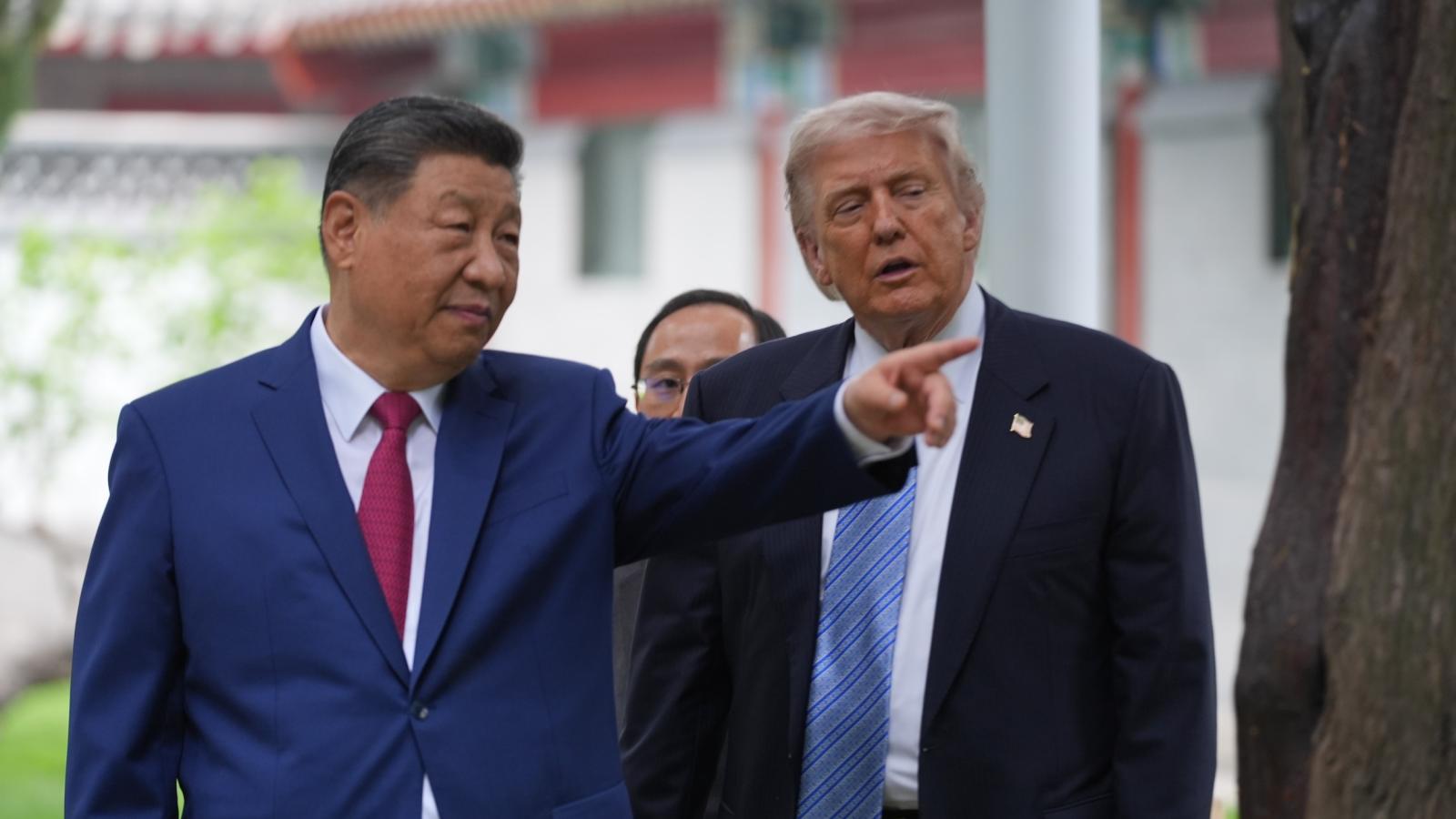
Chinese President Xi Jinping is scheduled to visit the United States on September 24 and hold talks with President Donald Trump at the White House. Although senior U.S. officials emphasize that no final decision has been made, market expectations remain high that both countries will extend the current 'ceasefire phase' of their trade war.
### Disagreement Over Tariff Reduction Targets
U.S. officials have reportedly proposed, during preliminary discussions, lowering import tariffs on low-end consumer goods such as footwear, apparel, and kitchenware. These items are part of the 'List 4A' under Section 301 unfair trade practices investigation, covering approximately $120 billion (about NT$3.84 trillion) worth of goods currently subject to a 7.5% tariff.
However, Beijing has expressed dissatisfaction with the U.S.-proposed list and is pushing for broader tariff exemptions.
U.S. Treasury Secretary Scott Bessent confirmed that the scale of goods under discussion could allow for exemptions of “around $30 billion worth of non-strategic, non-critical goods on each side.” This aligns with the target set by the U.S.-China Business Council. However, even if officials reach an agreement, the final decision rests with President Trump, whose stance remains unpredictable.
### Trade War Trajectory and Risk of Additional Tariffs
In addition to tariff reduction talks, market speculation suggests the U.S. may consider imposing an additional 7.5% tariff on Chinese goods to counter industrial overcapacity. At the G20 Finance Ministers meeting, Bessent urged countries to “reassess” their trade agreements with Beijing, emphasizing that the world cannot sustain China’s record $1.2 trillion (approximately NT$38.4 trillion) trade surplus in 2025.
In response, the Chinese embassy reiterated that reigniting a tariff or trade war serves no party’s interests and that both sides should resolve all issues on the basis of equality and mutual respect.
### Critical Minerals and Geopolitical Rivalry
The proposal to lower tariffs on non-sensitive goods reflects growing recognition within U.S. policymaking circles that simply blocking Chinese imports cannot effectively bring manufacturing jobs back to America. Analysts from think tanks have noted that if the U.S.-China tariff gap narrows further, the strategic effectiveness of the Trump administration’s push for manufacturing repatriation and reduced dependence on China would be significantly undermined.
Beyond trade tensions, geopolitical confrontations between the two nations remain severe. The U.S. recently imposed a new round of sanctions on Iran and has threatened Beijing to sever economic ties with Tehran as soon as possible. However, China, as Iran’s largest crude oil buyer, has outright rejected the demand.
Moreover, restrictions on critical minerals and high-tech sectors represent another deep-rooted conflict. Beijing has imposed strict export controls on rare earths essential for electric vehicles and military equipment. In the first half of 2026, China’s rare earth exports to the U.S. dropped by nearly 20% year-on-year.
### The Taiwan Issue at the Trump-Xi Summit
Another key topic on the U.S. agenda for the Trump-Xi summit will be Taiwan. Xi Jinping is expected to reiterate the sensitivity of the Taiwan issue to Trump. The U.S. president’s response after the meeting—and whether the approximately $14 billion arms sale to Taiwan will proceed—will draw intense attention from both sides of the Taiwan Strait and neighboring countries.
FACT BOX
- Source: PR Times
- Category: News