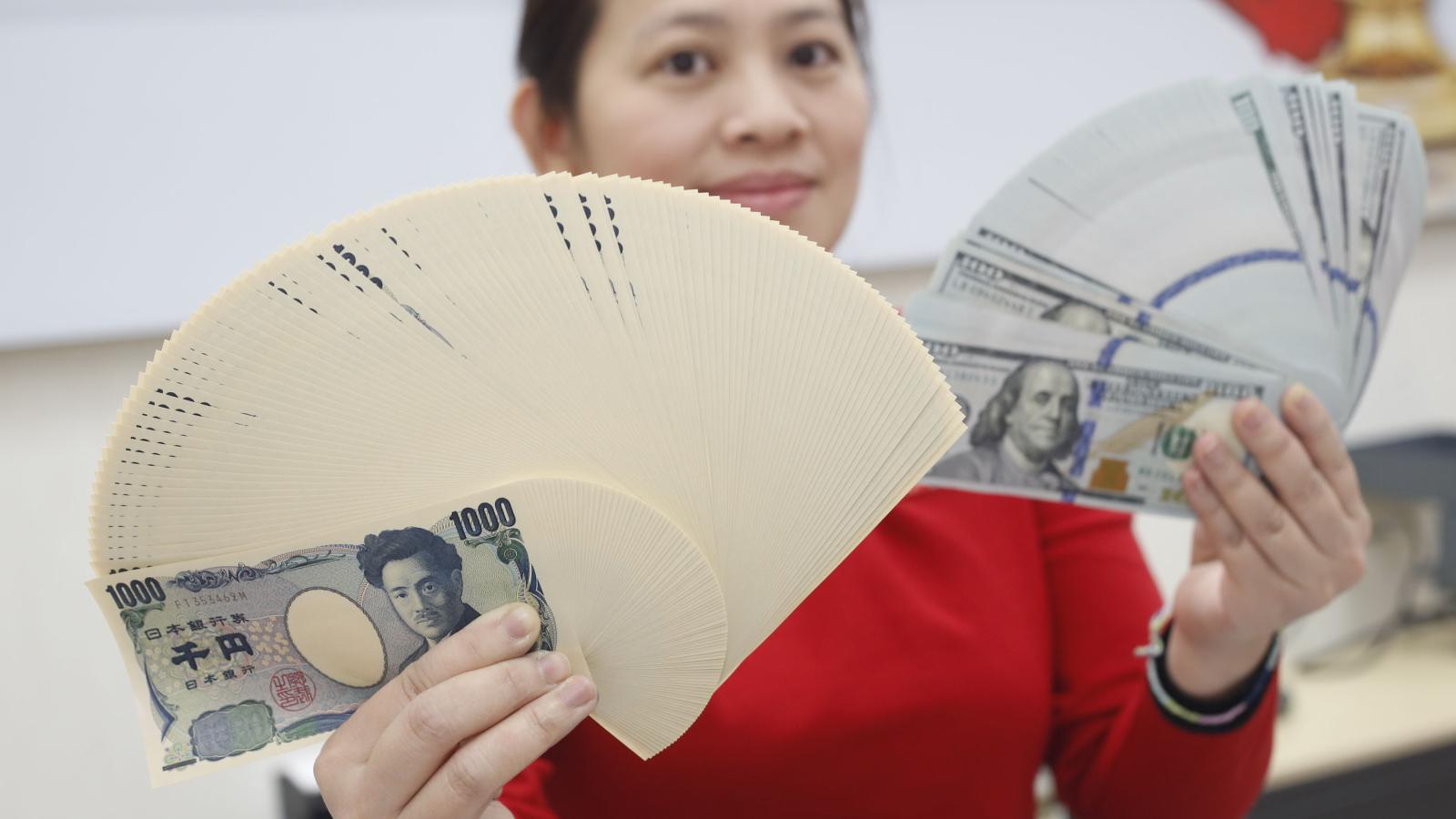
On the 1st, Japan issued new 10-year government bonds, with the lowest winning bid price below expectations and the highest yield reaching 3%—a level not seen since September 1996, marking the first time in 30 years. Xie Jinhe, chairman of Financial Media, posted on Facebook stating that online rumors claiming the yen and Japanese bonds are out of control, dragging Taiwan down, suggest a specialist may be deliberately targeting Japan's economy.
Xie pointed out that extremely bearish sentiments about Japan's economy have resurfaced online. Questions like 'Is Japan about to go bankrupt?' and 'Will Japan collapse?' have reemerged, along with claims that the yen and Japanese bonds are失控 (out of control), threatening to pull Taiwan down. These arguments resemble those during the previous two Bank of Japan rate hikes, suggesting a specific actor may be intentionally undermining Japan's economy.
This time, Asian currencies—especially the yuan, yen, and won—are drawing attention. The yuan surged from 7.35 to 6.707, the Korean won depreciated to 1,587.68 before rebounding to 1,352.73, and the yen briefly fell to 163.97, prompting U.S. Treasury Secretary Bessent to intervene. The New Taiwan dollar was also affected, rising from 32.528 to 31.568. Markets often describe the yen's depreciation as a 'collapse'.
Xie noted that many forget that after WWII, the yen started at 360 per dollar and gradually appreciated. Around the Plaza Accord, it reached about 263.5, and during Japan's 1990 bubble burst, it soared to 79.75. After the earthquake and tsunami, it appreciated further to 75.35. Japan's economic struggles stemmed from the shocking pace of yen appreciation. Former Prime Minister Shinzo Abe's 'three arrows' policy placed yen depreciation at its core. Abe's call for 'service exports' aimed to boost foreign tourism by making Japan cheaper for visitors.
Around 2012, when the yen appreciated to 75.35, someone asked Xie how low the yen should go to be reasonable. He replied: 75.35 × 2. Looking back, the yen has spent a long time within this range.
Xie stated that a yen value between 150 and 160 helps boost Japanese exports and corporate competitiveness, contributing to the recent Nikkei average rising above 70,000. However, this comes at the cost of domestic consumer spending, as the government sacrifices household consumption to reverse economic decline.
On the 3rd, Japan's 10-year bond yield reached 3.01%, returning to 1995 levels. This signals, according to Xie, that Japan has officially exited deflation and entered an inflationary era. Japan and China are now mirror images: Japan's 10-year bond yield exceeds 3%, while China's has fallen to 1.684%.
Xie emphasized that this signal marks Japan's formal end to deflation and entry into a new inflationary phase. In contrast, China's bond yields continue to fall. Japan is confidently facing inflation, while China appears to be heading toward the same deflationary vicious cycle Japan once experienced. The real test lies with China, not Japan.
FACT BOX
- Source: PR Times
- Category: News