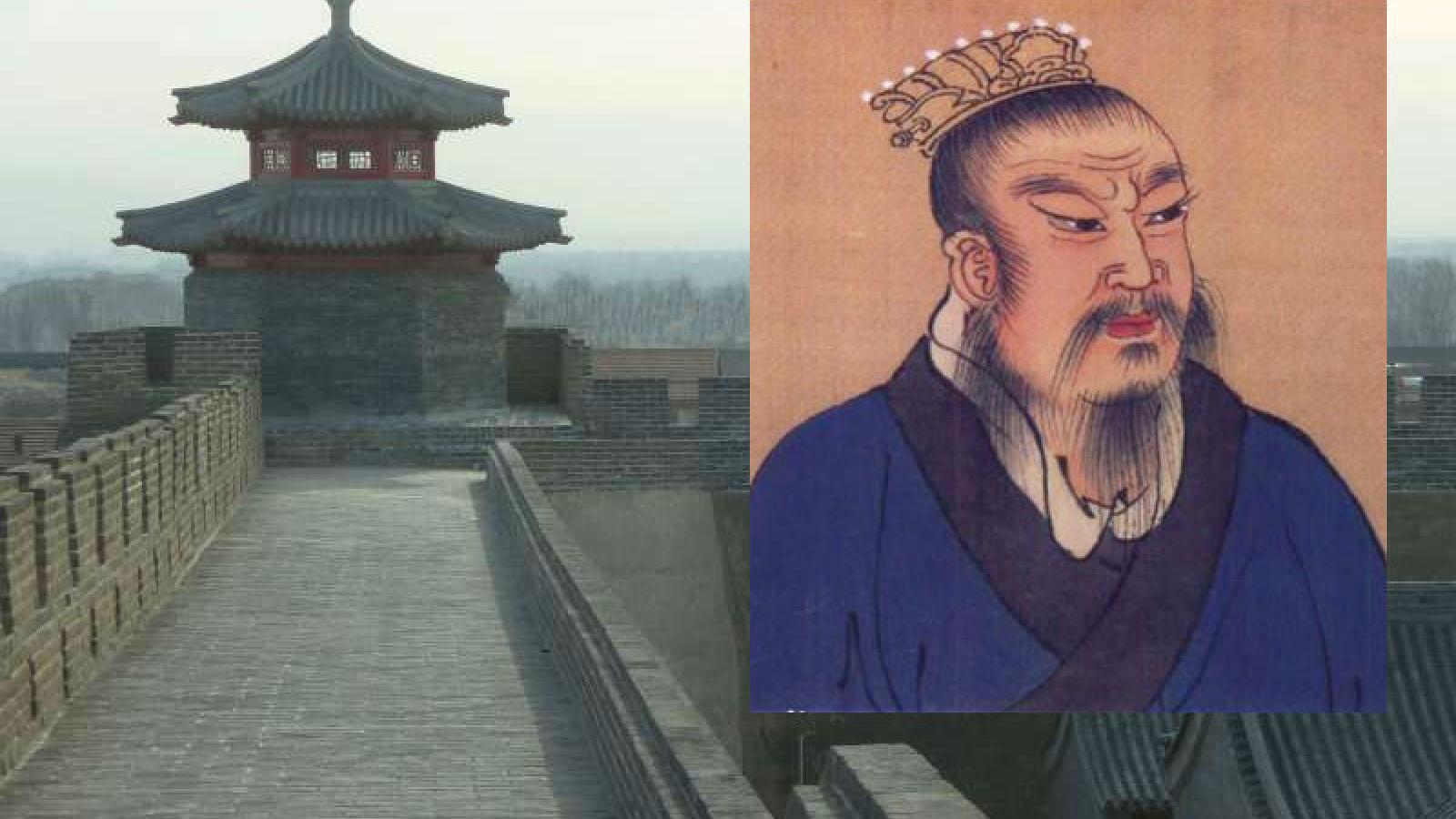
After years of fierce battles, Emperor Gaozu Liu Bang defeated his arch-rival Xiang Yu and established the Han Dynasty. To subjugate local warlords, he promised rewards. He also promised to reward his companions who had followed him since the beginning. After Xiang Yu's defeat, these companions were granted large and small pieces of land, becoming the military merit beneficiary class. Some of them formed independent kingdoms with self-governing rights, known as vassal kings. The emperor had strong suspicions about these vassal kingdoms and imposed restrictions on the export of resources to them. The vassal kings had a strong sense of 'we share the world with Han.' Liu Bang gradually eliminated the non-kin vassal kings and instead granted his own sons as vassal kings, establishing the foundation for the Liu family's rule. After Liu Bang's death, Empress Lu took control and attempted to eliminate Liu Bang's wives and children, granting power to her own Lu family. After her death, the former companions of Liu Bang restored the Liu family's rule, supporting Emperor Wen and overthrowing the remaining Lu family. The family-like governance system had several drawbacks: distant kinship relations, conflicts among brothers, and the division of inheritance among sons. Emperor Jing, with the help of Zuo Jue, implemented a policy to weaken the vassal kings. King Wu Liu Pi, who controlled copper mines and salt production, became a major economic power. The central government's confiscation of Wu's territories triggered the Rebellion of the Seven Kingdoms.
FACT BOX
- Source: PR Times
- Category: News