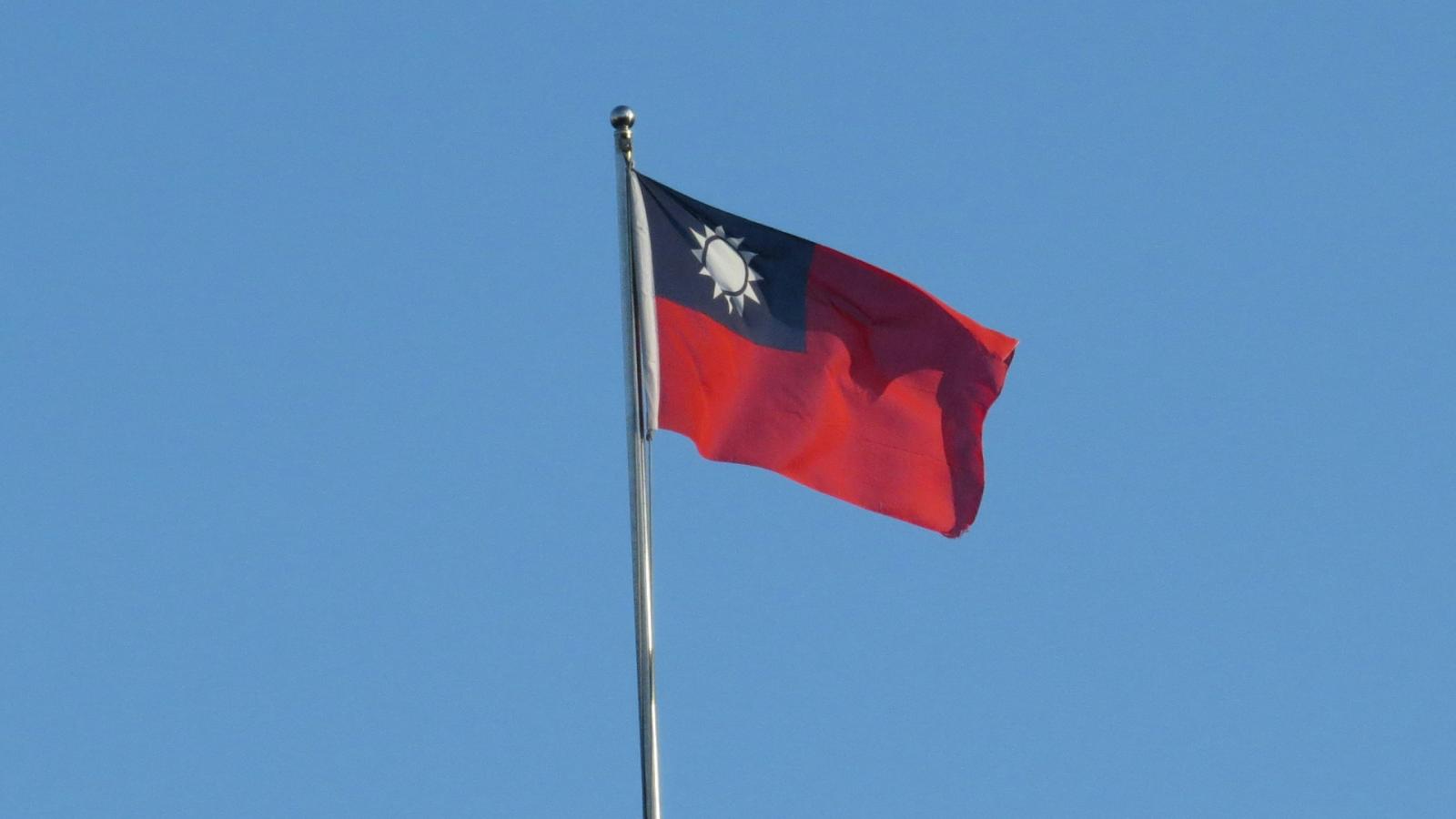
In recent years, a certain narrative has dominated Taiwan's public discourse: entering the 'One China' framework means falling into the Chinese Communist Party's trap, turning cross-strait issues into China's internal affairs and thereby losing international support. At first glance, this seems plausible. However, upon closer examination of historical context and today's geopolitical landscape, we find that abandoning the 'One China' approach actually leads Taiwan into a far more dangerous logical trap.
Taiwan's greatest blind spot lies in voluntarily surrendering the interpretive authority of 'One China' to the mainland. In fact, if we examine the Constitution of the Republic of China, it is unequivocally a 'One China' constitution. The ROC has never—and should never—abandon its core values and historical claim as the legitimate successor of China. By severing this historical link, we are not protecting Taiwan; we are self-diminishing.
Upholding the constitutional framework of the Republic of China is not only about defending national dignity—it is also the strongest foundation for maintaining strategic ambiguity across the strait and ensuring institutional competition on equal footing. Handing over the interpretation of 'One China' directly to the CCP is truly falling into their strategy of 'localizing Taiwan.'
Beyond legal considerations, the current course carries significant risks from a geopolitical standpoint. To counter the mainland, Taiwan has recently aligned almost completely with the U.S. Indo-Pacific strategy in military deployments and strategic posture. While this may appear to purchase insurance, it effectively places Taiwan at the very forefront of potential conflict.
We must calmly ask: do U.S. and Japanese interests in the Asia-Pacific truly align with Taiwan's? Tensions between China and Japan over the East China Sea, the Diaoyu/Senkaku Islands, and regional dominance have intensified, increasing the likelihood of future conflict. When Taiwan is fully tied to the U.S. and Japan militarily and diplomatically, it automatically positions itself as the 'vanguard' and 'first target' in a U.S.-Japan alliance confronting China.
Taiwan's highest national interest should be avoiding war and sustaining prosperity—not serving as a human shield in great-power competition. If a conflict erupts between China and Japan, Taiwan has no reason to get involved. It should not sacrifice lives and resources for another country's strategic goals.
Abandoning the 'One China' constitution dismantles the political buffer zone between the two sides, forcing Taiwan into unilateral dependence on external powers. This is the real trap pushing Taiwan toward the brink of war.
We don't need to choose between reflexive anti-China sentiment and fully accepting the mainland's narrative. Asserting our own 'One China' framework with confidence allows Taiwan to maximize strategic maneuvering space amid the geopolitical squeeze from the U.S., China, and Japan. True wisdom lies not in hastily following someone else's script, but in skillfully using existing constitutional assets to safeguard our own peace.
*Author is in the financial analysis industry
FACT BOX
- Source: PR Times
- Category: News