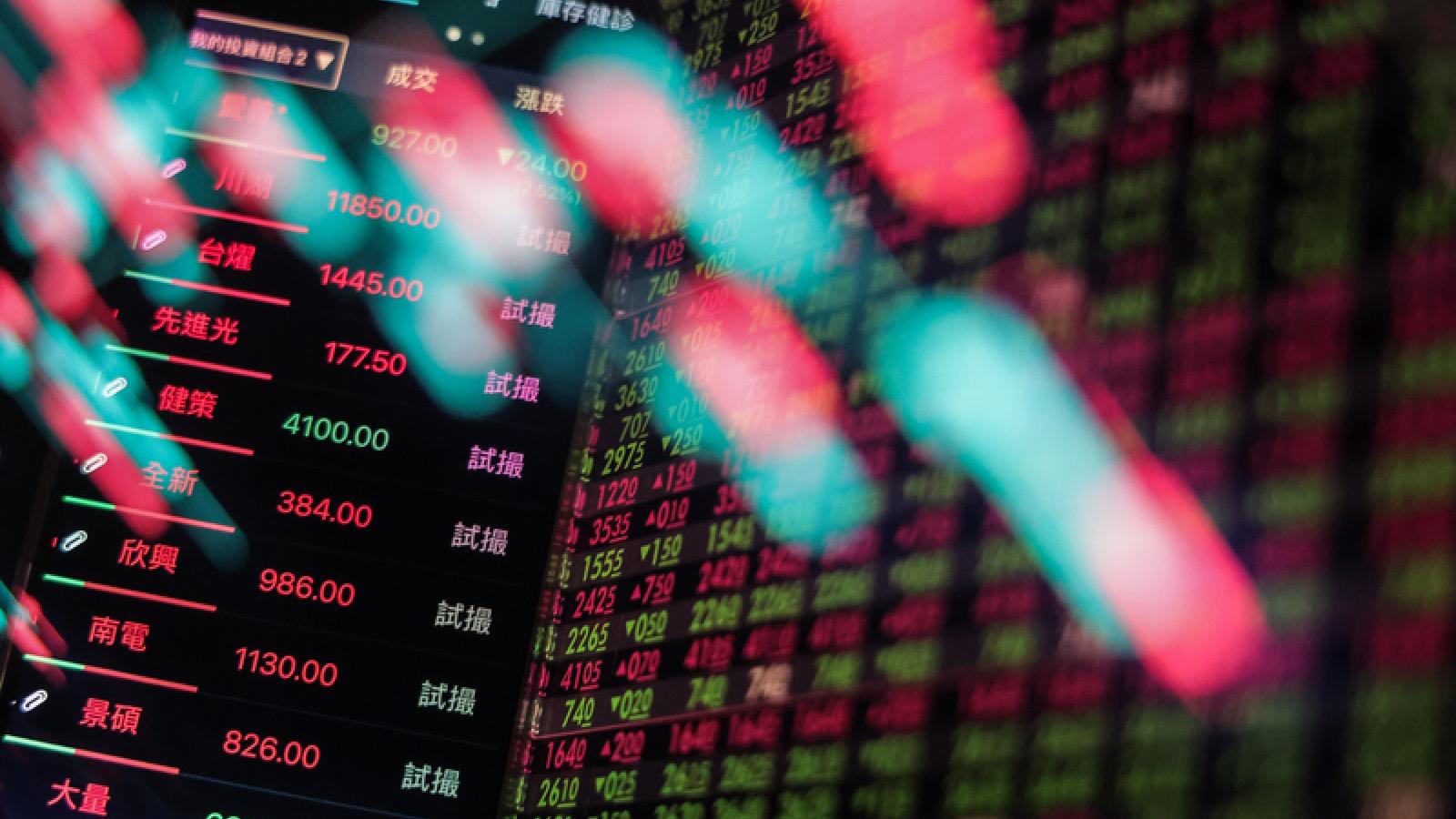
The U.S. Federal Reserve unanimously agreed yesterday (16) to raise interest rates by 25 basis points (0.25 percentage points), lifting the federal funds rate target range to 3.75%–4.00%. This marks the Fed’s first rate hike since July 2023. In response, financial commentator Di Xiang posted on Facebook stating that the Fed delivered the expected 25-basis-point hike, yet Taiwan’s night session market rose by 300 points, U.S. stock futures continued to climb, and U.S. Treasury yields have not yet reached new highs. He emphasized that the breakdown of gold’s support level warrants close attention.
Amid the Fed’s rate hike and Chair Jerome Powell’s hawkish tone, expectations for domestic financial institutions to follow suit with rate hikes have intensified. As a result, the three major U.S. stock indices closed lower. However, Taiwan’s stock market surged over 900 points during morning trading today (17).
Di Xiang commented that the Fed’s rate hike, combined with the dot plot indicating only one more 25-basis-point hike this year, represents a well-balanced approach. The market had initially priced in a high probability of three rate hikes this year, but only two were delivered, making the overall stance relatively dovish. This has fueled a market rebound, with Treasury yields failing to reach new highs, reflecting a slowdown in rate hike expectations.
Di Xiang pointed out that gold’s behavior is particularly interesting. In the past, even as Treasury yields soared, gold held firm—reflecting market distrust toward the Fed. This time, however, the Fed’s rate hike accompanied by hawkish rhetoric has visibly restored market confidence. This has brought currency depreciation trades to an end. Whether gold can restart its upward trend will depend on future macroeconomic developments. In short, he views this Fed move as 'hawkish-with-dovish,' a relatively favorable outcome for the broader market.
Many investors wonder: doesn’t rate hiking typically hurt stocks? Di Xiang responded that historical data shows stock markets tend to rise during Fed tightening cycles, with bear markets emerging only under specific conditions. Understanding macroeconomic impacts enables better strategic positioning.
FACT BOX
- Source: PR Times
- Category: News