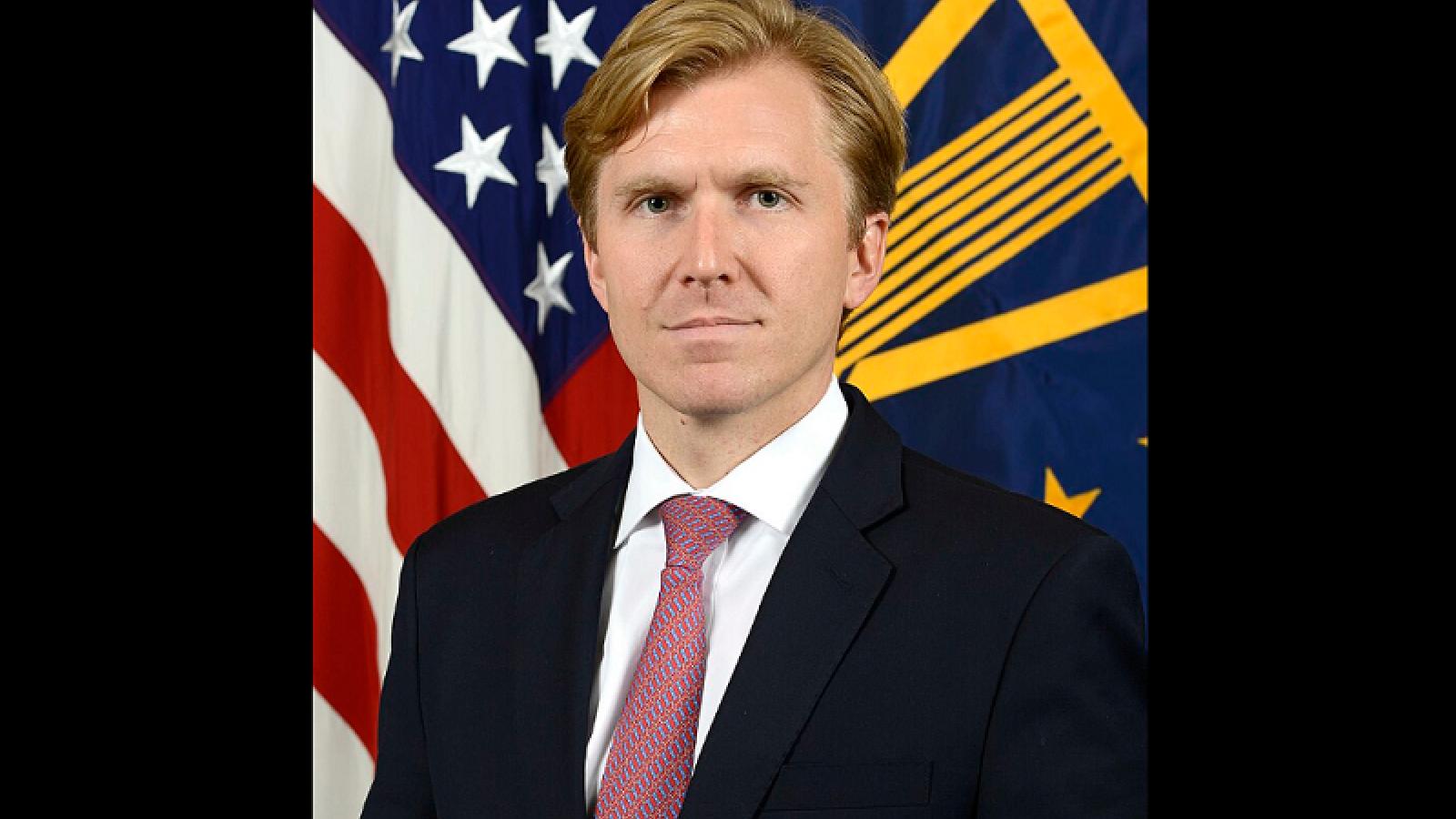
美國戰爭部(原國防部)負責規劃政策的次長柯伯吉(Elbridge Colby)日前展開東南亞之行,預計訪問菲律賓、印亞、泰國和柬埔寨。柯伯吉10日在馬尼拉Stratbase研究所演說時強調,「美國絕不會脫離亞洲——恰恰相反。我們的重大利益決定了我們必須在此保持長期存在」、「我們不會離開;事實上,我們正在此深耕佈局,以確保在最關鍵之處維持有利的權力平衡」。 《南華早報》指出,由於下個月習近平即將訪問美國,柯伯吉在演說中並未直接點名中國,也沒有提及涉及中菲主權爭議的斯卡伯勒淺灘(中稱「黃岩島」)。華府智庫德國馬歇爾基金會的葛來儀(Bonnie Glaser)表示:「距離川習會還有六週時間,柯伯吉可能認為最好避免對中國發表評論,以免破壞兩國領導人在釜山和北京達成的脆弱穩定。」 葛來儀還說,柯伯吉一直想要訪問北京,這也是一個可能的考慮因素,但「嚴厲批評中國會激怒北京;溫和的批評則會讓馬尼拉不高興」。不過哈德遜研究所的森安健(Ken Moriyasu)也說,雖然柯伯吉沒有直接提到中國,但他所談論的所有內容「幾乎都與中國有關」,他也直言「美國若在川習會前對北京擺出戰略軟化的態勢,將是一個錯誤的決定」。 2026年8月10日,美國國防部政策次長柯伯吉在馬尼拉出席論壇。(美聯社) 根據戰爭部發布的新聞稿,柯伯吉的演說全文如下: Thank you for that generous introduction. 感謝您剛才隆重的介紹。 This is my first official trip to Southeast Asia as Under Secretary of War for Policy. Starting here in Manila is deeply fitting. The Philippines is our oldest mutual defense treaty ally in Asia, and we share a deep and abiding historical connection in addition to our profound alignment of strategic interest. 這是我就任戰爭部政策次長後,首次正式出訪東南亞。首站選在馬尼拉別具意義。菲律賓是我們在亞洲最資深的共同防禦條約盟友,雙方除了在戰略利益上高度一致,更擁有深厚的歷史淵源。 From Manila, I will be traveling onward to Jakarta, Bangkok, and Phnom Penh. As in Manila, I intend to deliver a clear message that is at once both realistic and perhaps bracing but also reassuring: That America's interests are more engaged than ever in the Indo-Pacific, and that we at the Department of War are concentrated on ensuring those interests are stoutly defended. This means a strong and growing U.S. investment in the region. But it is also coupled with a newfound but common sense expectation of much greater effort and contribution by our allies and partners. Not in a hectoring or unbalanced way. To the contrary, in a spirit of partnership, not dependency; of realism, not idle cloud-castle abstraction; of respect, not patronization. 離開馬尼拉後,我將接著訪問雅加達、曼谷與金邊。正如我在馬尼拉所做的,我準備傳遞一個清晰的訊息,這份現實的訊息雖然可能帶有警示意味,但同時也令人感到寬慰:美國在印太地區的利益連結比以往更加深厚,戰爭部正全力捍衛這些利益。這代表美國將持續加大對此區域的投入,與此同時,我們也抱持一個符合常識的全新期待,即盟友與夥伴應展現更大的努力、做出更多貢獻。這並非出於威逼或失衡的考量,恰恰相反,這是基於夥伴關係而非依賴、基於現實主義而非虛幻的空中樓閣,並且是基於尊重而非屈尊俯就的態度。 Our approach, as laid out in the Administration's National Security Strategy and National Defense Strategy and set out eloquently by Secretary Hegseth in his Shangri-La speeches this year and last, is straightforward. Our legacy foreign policy of the post-Cold War period was fundamentally out of date and ill-advised. 我們的方針非常明確,這已詳載於政府的《國家安全戰略》與《國家防衛戰略》中,赫格塞斯部長在今明兩年的香格里拉對話演說中對此也做了精闢的論述。我們認為,冷戰後時期的傳統外交政策基本已經過時,也不是明智之舉。 In the years following the collapse of the Soviet Union, American strategy was characterized by high-flown abstractions and comfortable illusions of permanent unipolarity. Washington's strategic approach became unmoored from the concrete realities of power, geography, economics, and limits. Our foreign policy became detached from clear-headed strategic rationality, and the results were demonstrably poor. 在蘇聯解體後的數十年間,美國戰略的特點在於空洞高遠的抽象概念,以及對永久單極體系的安逸幻想。華府的戰略方針逐漸脫離了權力、地理、經濟與資源限制等具體現實。我們的外交政策不再具備清醒的戰略理性,最終的結果顯然極其蒼白。 President Trump has reversed that failed course. Under Sec
FACT BOX · 重點整理
- 來源:PR Times
- 分類:新聞
- 相關組織:Stratbase研究所
- 原文日期:2026年8月10日